
Last updated November 25, 2026
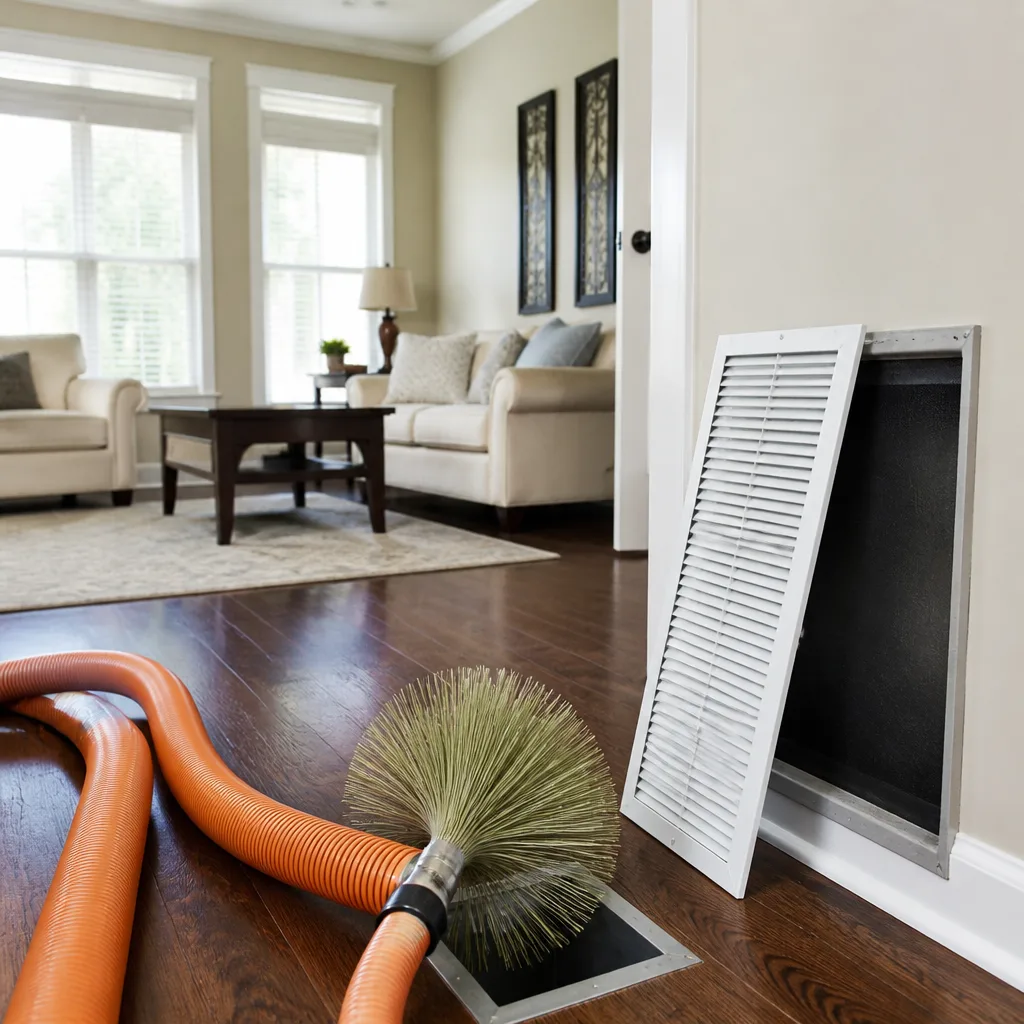 Whole-home duct cleaning
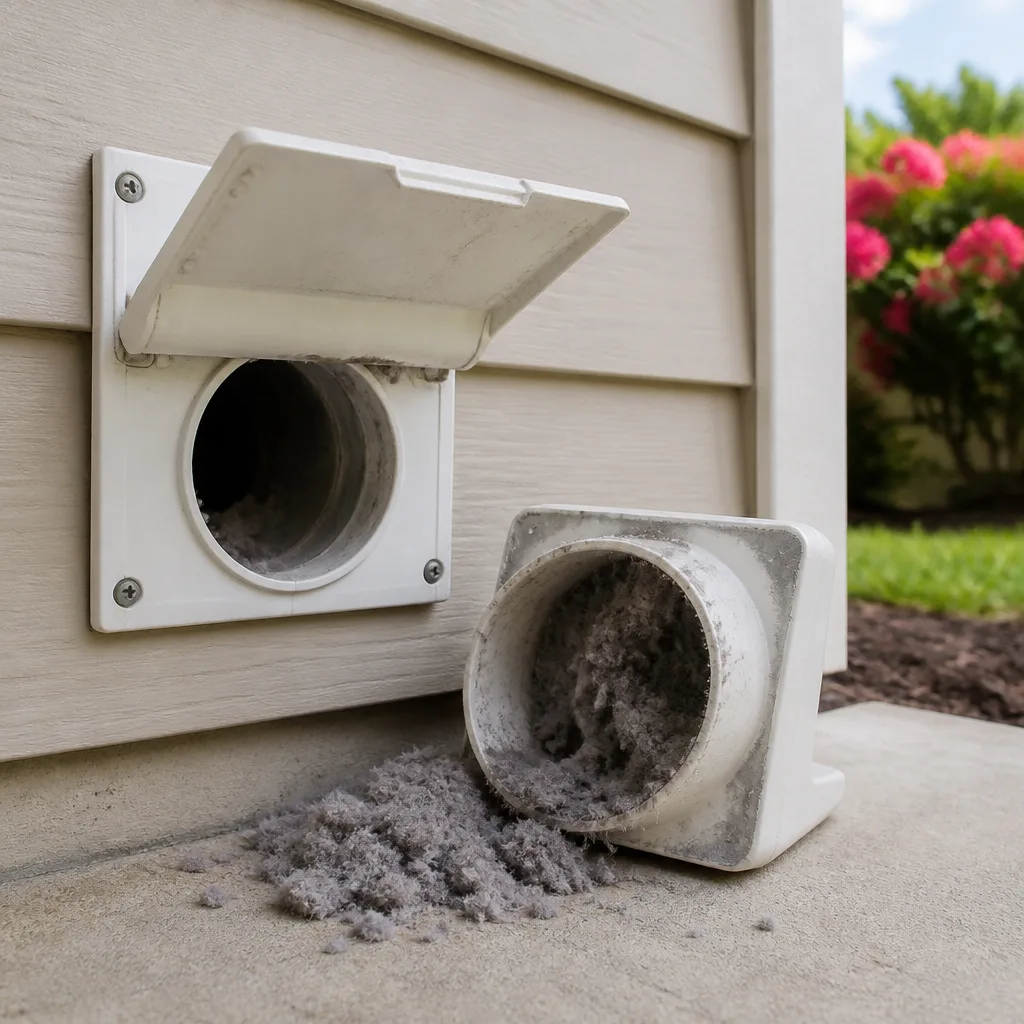 Dryer vent cleaning
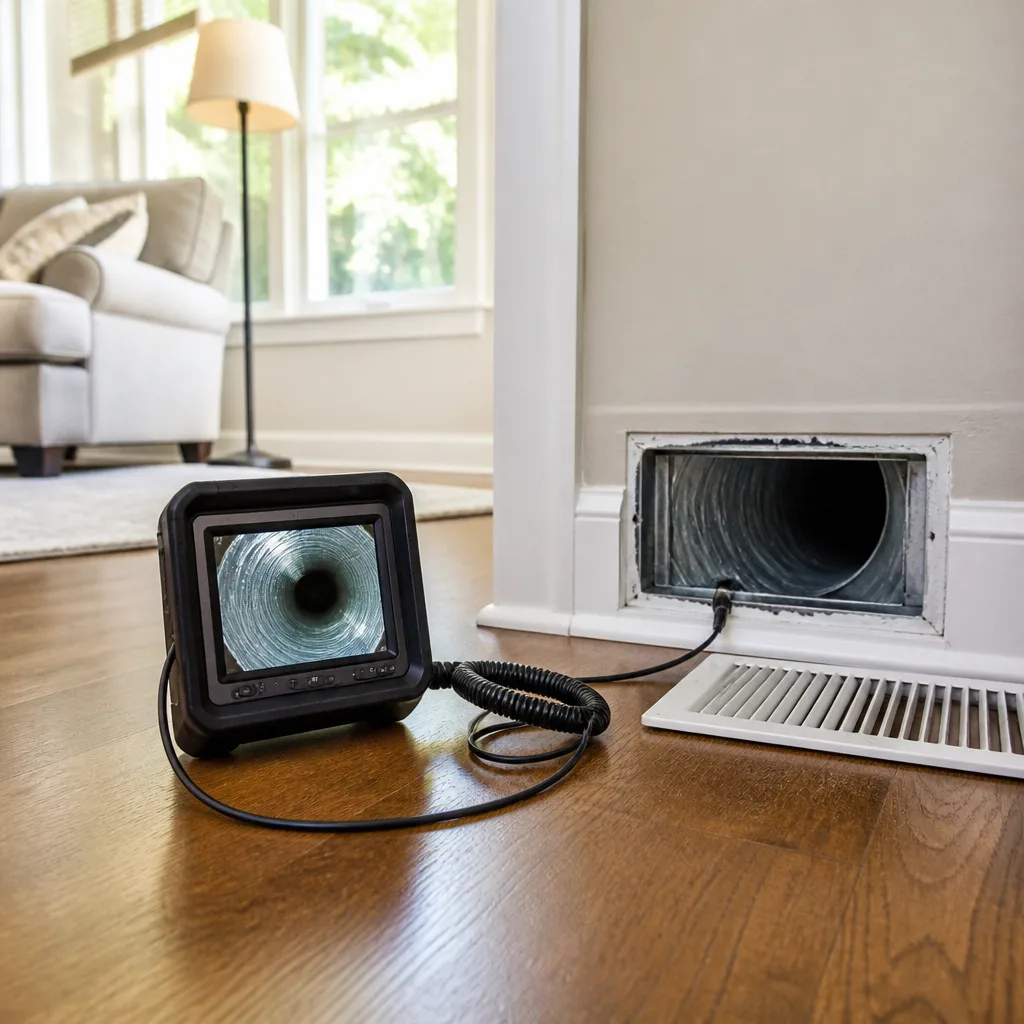 Camera inspection
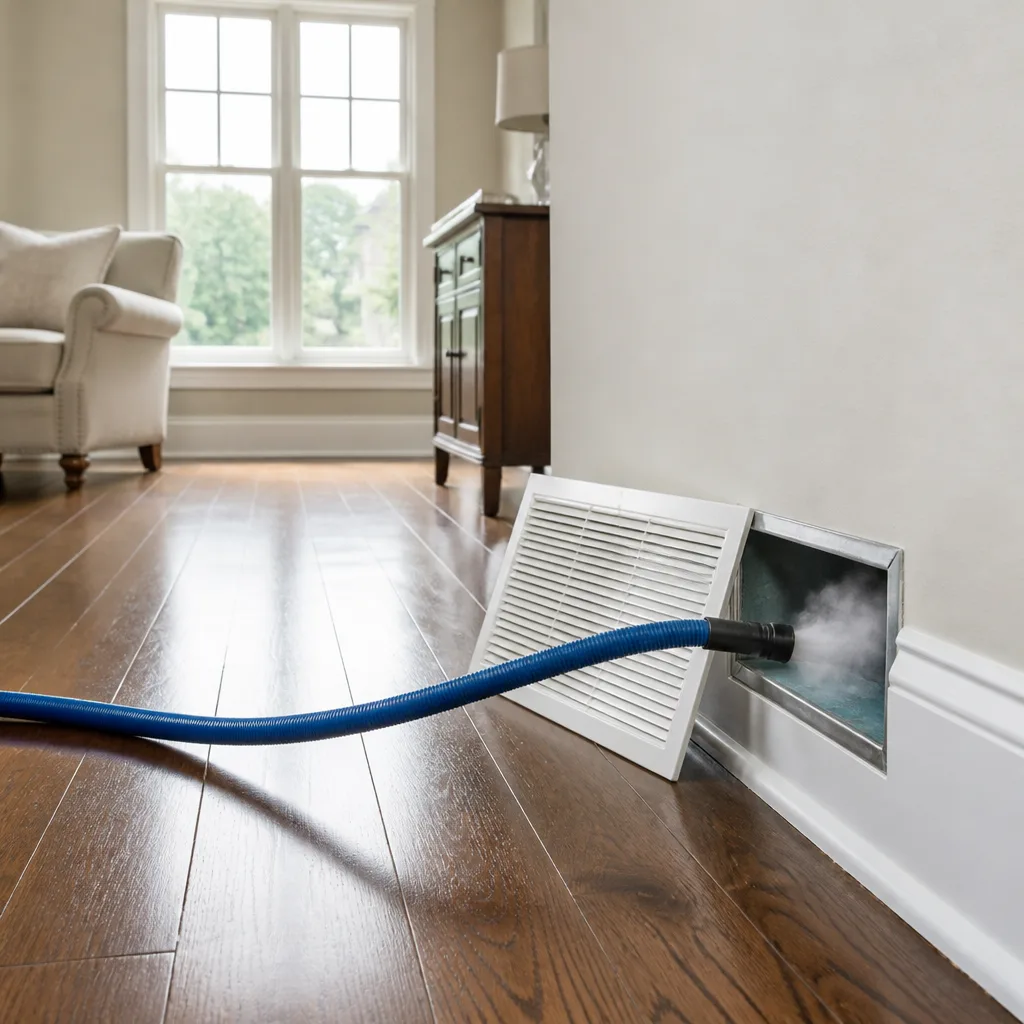 Sanitizing & deodorizing
Whole-system duct and dryer vent check with before-and-after photos - you see exactly what came out of your vents
That "$99 whole-house special" is a bait ad - the real number appears once they are in your hallway, or the "clean" is a shop-vac at the register. We photograph the inside of your ducts before and after instead.
How to Hire an Air Duct Cleaning Contractor in Parkchester: A Step-by-Step Guide
Most people hire a duct cleaner the way they hire a locksmith: something breaks or a coupon shows up, and they call whoever answers. That works for a clogged drain. It doesn’t work for a job where the only proof you’ll ever get is whatever the technician shows you on their own camera. The barrier to entry in this trade is low, and the gap between a $79 coupon headline and the invoice you actually sign has widened for years. Here’s the screening sequence we’d want a neighbor to use before booking anyone. By the end you’ll know which three questions eliminate most bad operators, and what a written scope should say.
Quick Answer
Hiring an air duct cleaning contractor in Parkchester means verifying three things before you book: what vacuum and agitation equipment the crew actually uses, exactly what the written scope covers down to register count and line footage, and whether the quote is a flat price for the whole system or a per-vent number that grows on site. A contractor who can’t answer all three clearly, in writing, isn’t ready for the job. Price matters, but only after you’ve compared like-for-like scopes, never against a headline number.
Styles & brands we work with
- Whole-home duct cleaning
- Dryer vent cleaning
- Camera inspection
- Sanitizing & deodorizing
Table of Contents
- What Does Air Duct Cleaning Cost in Parkchester?
- The Three Equipment Questions to Ask Before Booking
- How to Verify NADCA Membership and What It Actually Obligates
- Red Flags Specific to Door-to-Door and Coupon Operators
- What a Written Scope of Work Should Include
- How to Compare Quotes That Describe Different Scopes
- Why Parkchester Apartments and Prewars Need a Different Approach
- Common Mistakes to Avoid
- When to Call a Professional
- Frequently Asked Questions
What Does Air Duct Cleaning Cost in Parkchester?
Air duct cleaning in Parkchester typically runs $400 to $900 for a whole apartment or house system, depending on the number of registers, the length of the duct runs, and whether repair or sanitizing is included. A single-zone apartment with six registers sits at the low end. A multi-level house with twenty-plus supply and return points and a separate HVAC cleaning will push higher. Those are typical ranges, not a quote. The written estimate sets the final price, and it should be the same number you pay when the crew finishes.
What you should never accept is a per-vent price. When a company quotes “$30 a vent,” the vent count is negotiable once the technician is standing in your hallway, and so is everything else. We’ve heard from Parkchester neighbors who were told their registers would take twice the time once the crew arrived. A flat price per system avoids the entire category of problem.
Line by line, this is where the numbers fall in the Bronx market:
| Service Component | Typical Estimated Range |
|---|---|
| Whole-system air duct cleaning (up to 10 registers) | $400 – $650 |
| Larger system, 11 – 20 registers | $650 – $900 |
| HVAC cleaning (air handler, coil, blower) | $200 – $450 |
| Dryer vent cleaning | $120 – $220 |
| Duct repair and sealing (per affected run) | $150 – $400 |
| Sanitizing application | $100 – $250 |
Duct repair and sealing is the item most coupons leave out entirely, and it’s often the one that matters most in a prewar Parkchester building. Cleaning a run that leaks conditioned air into a wall cavity just means you’ll have to do it again sooner. If a company can’t tell you whether your ducts are leaking, ask why not. Air Duct Cleaning Parkchester provides free written estimates with each component priced separately, so you can see what you’re paying for before anyone opens a register.
The Three Equipment Questions to Ask Before Booking
Ask what vacuum, what agitation method, and whether HEPA filtration is used. Those three answers tell you more about the job you’re going to get than any review score will. A company running consumer shop vacuums and a hose with a spinning ball is not performing the same service as one running contractor-grade extraction, even if both call it “duct cleaning.”
Here is what to listen for:
- What is the vacuum’s CFM rating, and what unit is it? CFM is cubic feet per minute of air movement. A small truck with an inadequate vacuum can’t maintain negative pressure in a duct run, which means debris loosened by the brush gets pulled back into the living space instead of out into a collection bag. Ask for the model. Rotobrush extraction systems and Nikro HEPA-rated vacuums are the class professional crews use, and both are named on the equipment list. If the answer is vague, move on.
- How do you agitate the debris inside the run? Vacuum alone pulls loose dust and leaves the caked-on material stuck to the duct walls. Rotary brush agitation breaks that layer free before extraction. Some operators use air whips or compressed air; those can work on certain duct shapes, but you want the technician to describe the method specifically rather than saying “we blow it out.”
- Does your system use HEPA filtration, and where does it sit in the airflow? HEPA-rated filtration captures fine particulate at the source, which keeps it from recirculating into your rooms while the work is happening. This matters more in a dense Parkchester building, where a vent run may open into a shared corridor or a neighbor’s wall assembly.
For a deeper look at the process itself, the air duct cleaning service page lays out how a full system job actually gets run. Bring these three questions to any estimate in Parkchester, and you’ll quickly separate crews who know their equipment from crews who quote a price and hope you don’t ask.
How to Verify NADCA Membership and What It Actually Obligates
NADCA is the National Air Duct Cleaners Association, and membership signals that a contractor has agreed to a published standard of care. It is not a license, and it is not a guarantee of workmanship. What it does is commit a member to a defined cleaning process, a documented assessment, and a code of ethics that prohibits the kind of high-pressure upsell most homeowners worry about. That’s worth something. It’s just not the whole picture.
To verify it, don’t take a logo on a truck at face value:
- Search the company name directly in NADCA’s member directory rather than trusting a badge image on a website.
- Ask whether the individual technician coming to your building holds a certified air systems cleaning specialist credential, since company membership and individual certification are separate.
- Ask what standard the crew follows for the cleaning itself, and compare it to what NADCA publishes for source removal.
- Check that the company carries liability insurance for work inside occupied buildings, since Parkchester jobs often happen with tenants at home.
- Confirm they’ll document the job with before and after photos, which is a member commitment and the single most useful way to verify work you can’t see.
Membership is one question in a longer screening process, not the end of it. We’ve known crews without membership who run excellent equipment, and crews with badges who squeeze in three jobs a day. The equipment answers and the written scope tell you more. But if a company claims NADCA membership and then can’t describe a source-removal process consistent with it, that’s a genuine red flag in Parkchester and anywhere else.
Red Flags Specific to Door-to-Door and Coupon Operators
Door-to-door duct offers and standalone coupons hit dense neighborhoods like Parkchester hardest, because they’re built on volume and a fast close. The pitch is a dollar figure so low it can’t cover the labor of a real cleaning. The business model only works if that dollar figure grows after the technician is inside your apartment. Recognizing the pattern before you book is simpler than you’d think.
Watch for these:
- Per-vent pricing with a low headline number. A per-vent quote is designed to change once the vent count is verified on site. A flat per-system price is not.
- A technician who arrives without equipment beyond a small portable vacuum and a hand tool, claiming the “big equipment” comes later or only for larger jobs. Contractor-grade extraction is used on every job or it isn’t being done.
- A sales inspection billed as a quote. If the first visit involves a flashlight, a clipboard, and an immediate pressure to sign, you’re being sold, not assessed.
- Urgency that doesn’t match the situation. A dryer vent blocked with lint is a real fire concern, and that’s a legitimate reason to schedule work soon. A generic “today only” price is not. dryer vent cleaning is a genuine safety service, but it should never need a same-hour sales close.
- No written scope before work begins. Verbal promises about what’s covered are worthless once the crew is in your walls.
- No before-and-after documentation offered up front. Every legitimate operator should be able to show you what your ducts looked like when they started and what they looked like when they finished.
- Cash-only, no-name paperwork, or an unmarked van. In a prewar Parkchester building with tenants in place, you want a paper trail and clear accountability.
The cleanest way to avoid all of it: get the flat price in writing before anyone hands you a coupon. A written estimate takes ten minutes and protects the whole investment.
What a Written Scope of Work Should Include
A written scope of work should tell you exactly what the crew will touch, how they’ll touch it, and how you’ll verify it afterward. Anything vague here becomes a source of dispute once work has started. In our experience, the difference between a smooth Parkchester job and a contested one usually comes down to how specific the paperwork was before anyone opened a vent.
At minimum, require the following in writing:
- System linear footage of the ductwork being cleaned. Not an estimate of run count. A number for total feet, based on what the technician actually measured or traced.
- Number of supply registers and return registers, listed separately. Return runs are often larger and dirtier, and they’re frequently skipped in low-bid jobs. They should be itemized.
- Whether sanitizer application is included, and with what product. Sanitizing is a separate step from cleaning, and product matters. Guardsman and Abatement Technologies applications are used in restoration and remediation work; if a company sanitizes without saying what they’re using, ask.
- Whether duct repair or sealing is part of the scope or a possible add-on. If the technician identifies a leak, get the repair priced before they leave the building, not after the invoice is issued.
- Post-job documentation. Before-and-after photos at minimum, and ideally a written summary of what was found and what was done.
- The final flat price, stated as a single number per system. Not a range, not a per-vent rate, not a coupon price with a disclaimer.
A scope like this is the reason HVAC cleaning is priced as its own line item rather than folded into a general “duct cleaning” figure. The air handler and coil are a different part of the system, and they should be a different line on the page.
How to Compare Quotes That Describe Different Scopes
Comparing quotes only works when they describe the same components. A $300 quote for “duct cleaning” and a $700 quote for “duct cleaning plus sanitizing plus repair on one run” are not competing offers, even if a homeowner shopping by price treats them that way. Line up the quotes by component before you compare totals.
Use this framework. For each contractor, fill in the same six rows:
- Cleaning method. Rotary brush agitation plus HEPA-rated vacuum extraction, or something else?
- Register coverage. How many supply and return registers are included, and does the price change if you have more?
- HVAC cleaning. Included, priced separately, or omitted entirely?
- Repair and sealing. Is it in the scope, or is it a possible add-on based on inspection?
- Sanitizing. Included, optional, or absent?
- Documentation. Photos promised, written summary promised, or neither?
Once the rows are filled in, the honest contractor becomes obvious. The $300 quote that leaves out HVAC cleaning, has no lens on duct sealing, and offers no photos isn’t cheaper. It’s a smaller job. The $700 quote that includes the air handler, tests one leaking run, and documents the whole thing with before-and-after images is a complete one. That’s the comparison that actually matters, and it’s why we price every component separately. If a Parkchester homeowner calls us mid-comparison and says a competitor’s quote came in lower, we can usually point to the exact row where the scopes diverged.
Why Parkchester Apartments and Prewars Need a Different Approach
Parkchester’s prewar building stock changes the hire equation. Many apartments share chases, wall assemblies, and riser stacks with neighbors, which means a poorly sealed or poorly cleaned duct run can push dust and debris into a space that isn’t even yours. That’s a scope question as much as an equipment question. A crew that only cleans what it can see from inside a single apartment is not addressing the problem the building creates.
Two practical consequences follow from this. First, high-rise and multi-tenant work needs the technician to confirm how the system is zoned before quoting, because one apartment with a shared air handler is a different job than a house with its own system. Second, duct repair and sealing becomes more valuable, not less. Where runs pass through shared walls, a leak is not just an efficiency issue, it’s a pathway for contaminants between units. A cleaning crew that can also seal those leaks is a better hire than one that can only extract debris and leave the gap in place.
Public-transit access and dense foot traffic also mean door-to-door operators have more front doors to knock on per block. The screening sequence in this guide matters even more in a dense Parkchester building than it does in a suburban house, because the volume of pitches is higher and the individual job is often harder to verify.
Common Mistakes to Avoid
- Booking on price alone. A low headline price in a low-barrier trade almost always means a smaller scope or an upsell on site. Compare scopes, not totals.
- Accepting a per-vent quote. Per-vent pricing is designed to change after inspection. Ask for a flat per-system number in writing, and don’t book until you have it.
- Not asking for equipment specifics. “We use professional equipment” is not an answer. Ask for the vacuum model and the agitation method, by name.
- Skipping the return registers. Return runs carry a heavy share of the dust load in most Parkchester systems, and low-bid jobs routinely skip them. Insist they’re itemized in the scope.
- Treating NADCA membership as a full credential. It’s a meaningful standard but not a guarantee. Verify it directly, and still ask the equipment and scope questions.
- Skipping dryer vent cleaning because it seems unrelated. A lint-clogged dryer vent is a leading household fire cause, and it’s a separate service most duct-only operators treat as an afterthought. Ask whether it’s available as a dedicated service, not an upsell tacked onto a duct job.
- Not requiring before-and-after photos. If you can’t see what was removed, you can’t verify the work was actually done. Make documentation part of the agreement before anyone starts.
When to Call a Professional
Call a professional when an HVAC problem points to the ductwork rather than the equipment: rooms that never quite heat or cool evenly, dust that settles quickly after cleaning, a musty smell from a register when the blower starts, or a home inspection that flagged the ducts. Call a professional if you have allergy or asthma symptoms that worsen inside the apartment. Call a professional if the dryer takes longer than it used to and the lint trap is clean, since that combination suggests a blocked vent. Never open a duct run yourself to investigate unless you’ve shut the system down and have the tools to reseal it. We use contractor-grade equipment because consumer vacuums and hand tools can’t reach most of a duct run. Air Duct Cleaning Parkchester offers free estimates in Parkchester. Call (855) 475-2006. We answer 24/7. Fast dispatch from 7am to 7pm, Sunday through Friday.
Frequently Asked Questions
Air duct cleaning in Parkchester typically runs $400 to $900 for a whole system, depending on register count, duct length, and whether repair, sealing, or sanitizing is included. HVAC cleaning, dryer vent cleaning, and duct repair are priced as separate line items. Call (855) 475-2006 for an exact quote. Estimates are free.
Cheap quotes are usually describing a smaller job: fewer registers, no return-line work, no HVAC cleaning, and no documentation. A per-vent price also hides the real cost, since the number grows once the technician counts the registers on site. Get a flat price per system, itemized by component, before you book.
Ask for before-and-after photos of your own ducts and a written summary of what was found and removed before you sign the estimate. Any legitimate contractor should offer this up front. If documentation isn’t promised before the work begins, treat that as a sign the work may not be verifiable.
Most homes can go several years between cleanings unless a specific event triggers one: a renovation that produced heavy dust, a musty smell coming through the vents, a documented pest issue, or a new move into a previously occupied Parkchester apartment. Regular cleaning isn’t required on a fixed schedule. It’s required when the system shows signs it needs it.
NADCA membership means the contractor has agreed to a published standard of care and a code of ethics, which is meaningful. It is not a license and doesn’t guarantee workmanship. Verify membership directly in NADCA’s directory, then still ask about equipment, scope, and documentation.
Yes, and it’s worth treating as its own job rather than an add-on. A blocked dryer vent is a leading household fire cause, and most duct-only operators skip it or treat it as an upsell. Ask specifically whether a company offers dedicated dryer vent cleaning before you book.
See the difference
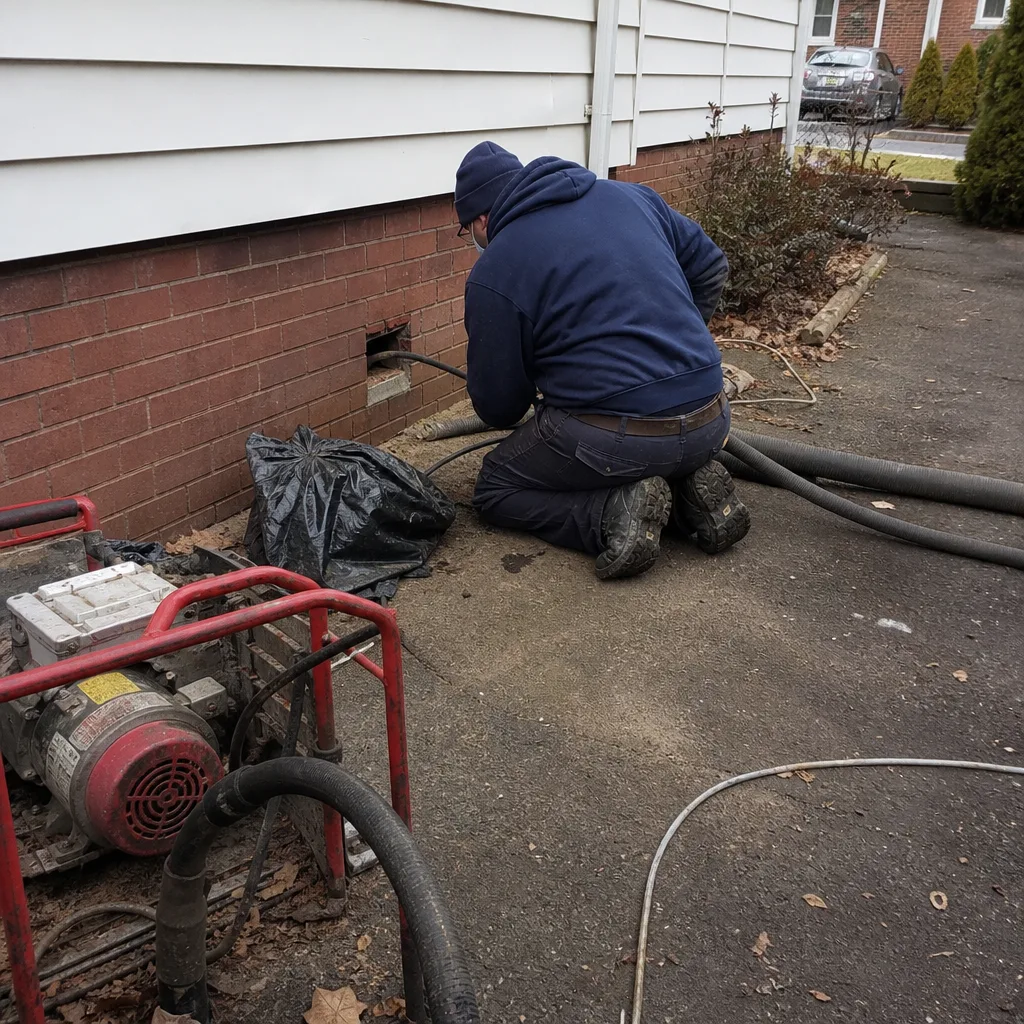 Before
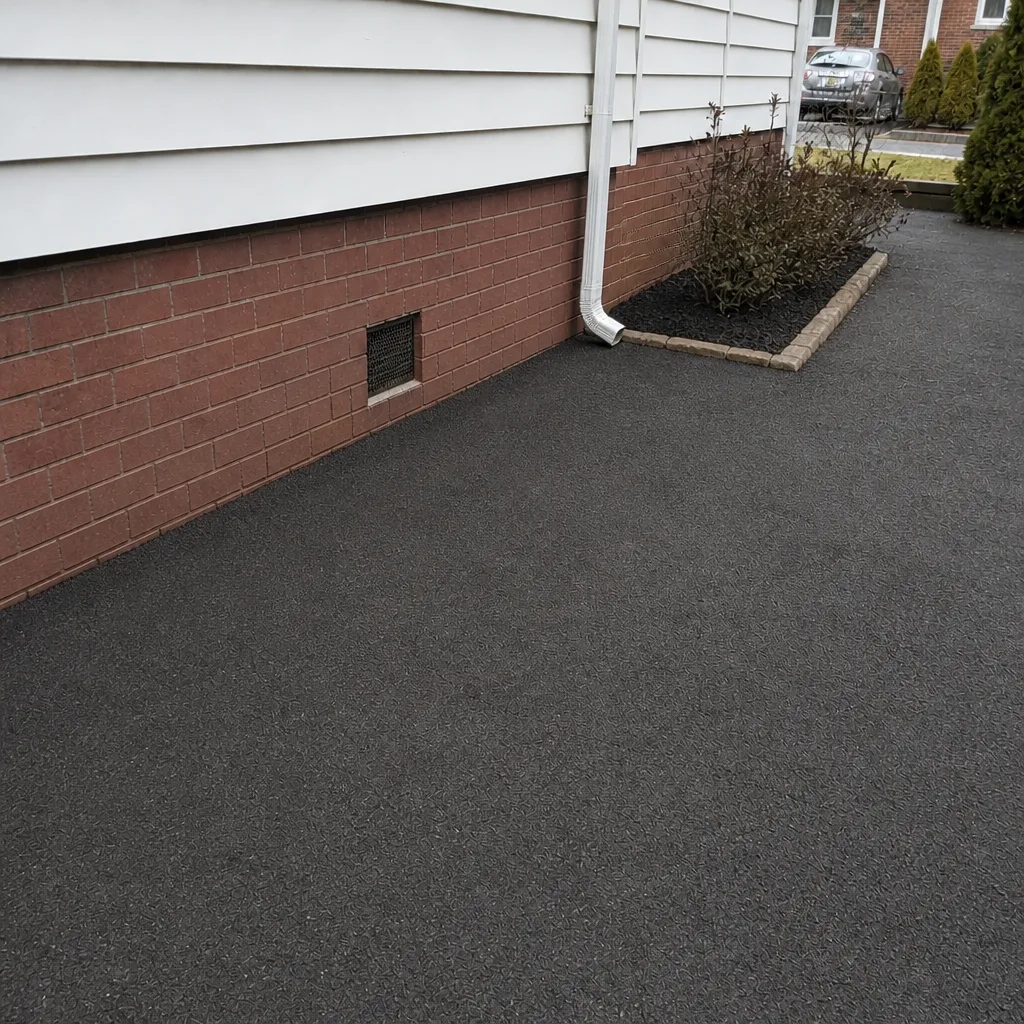 After
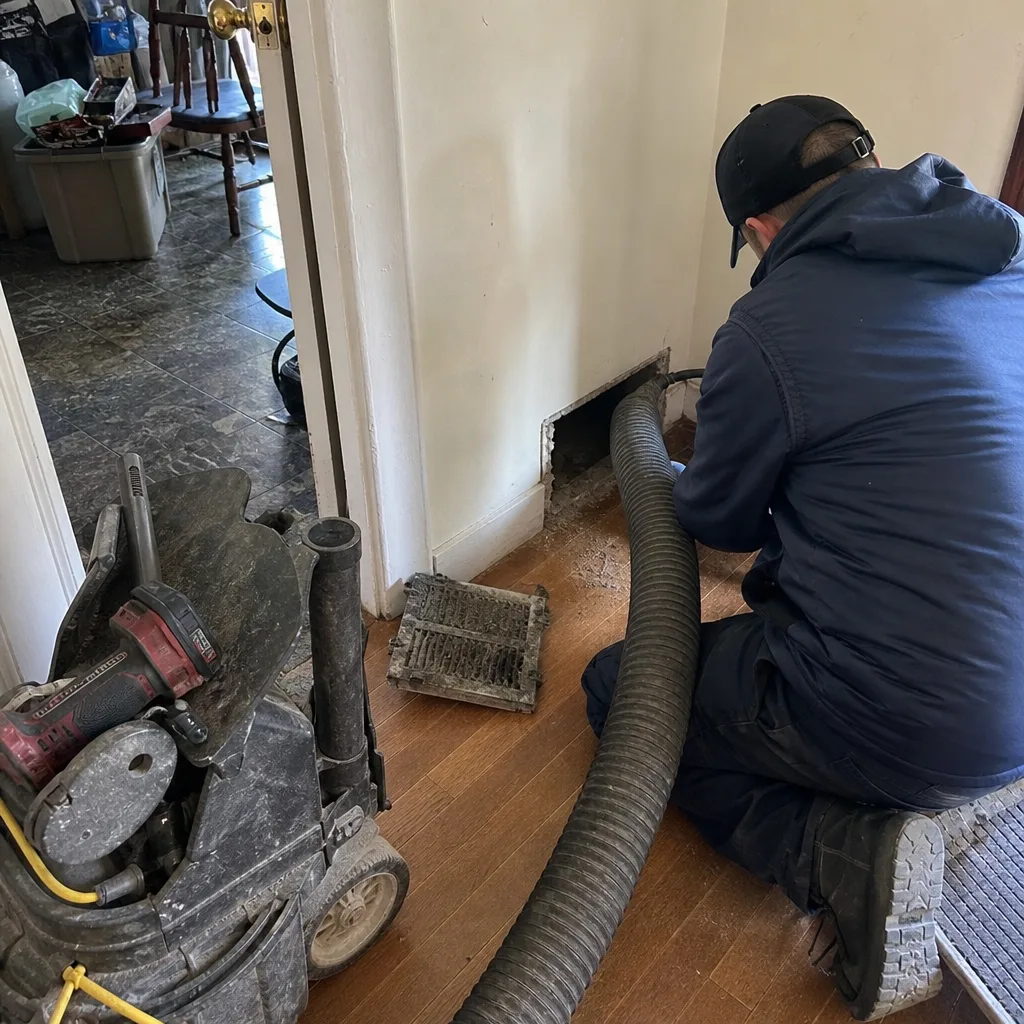 Before
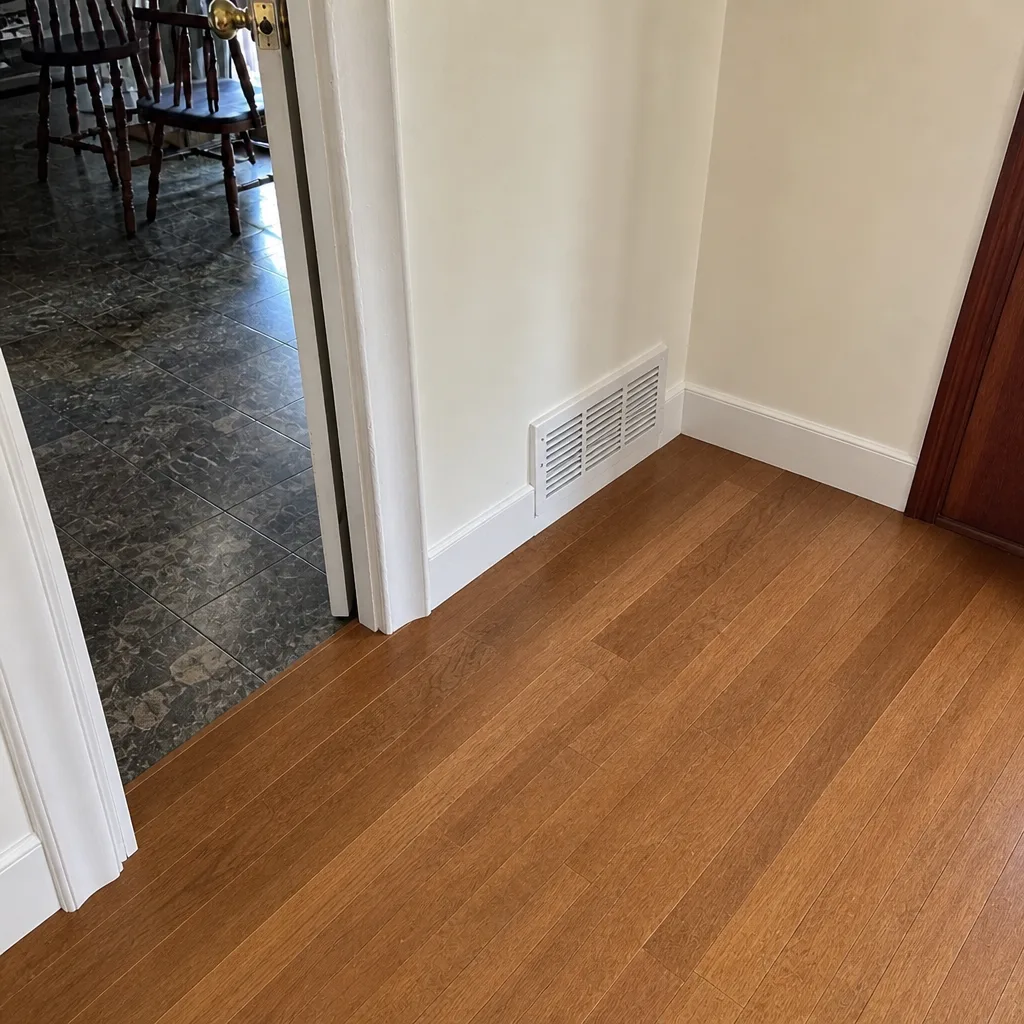 After
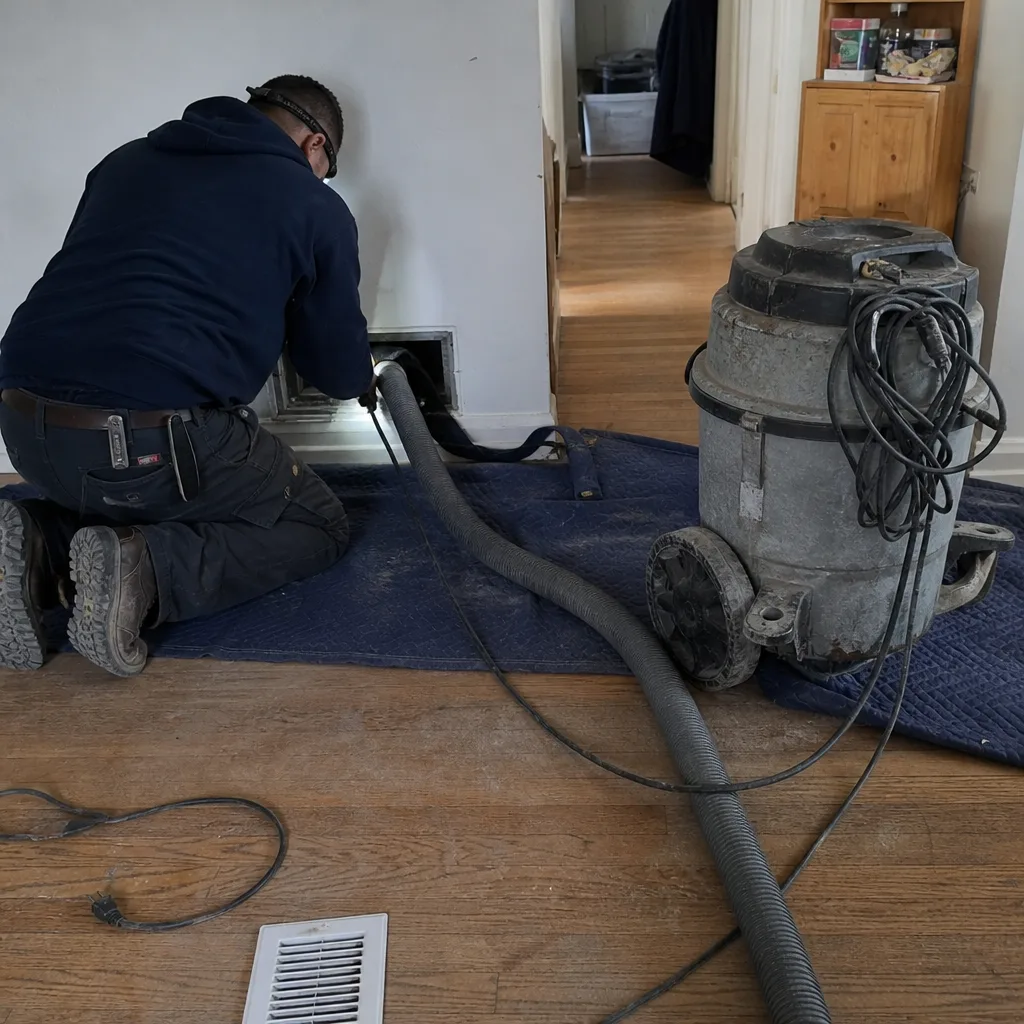 Before
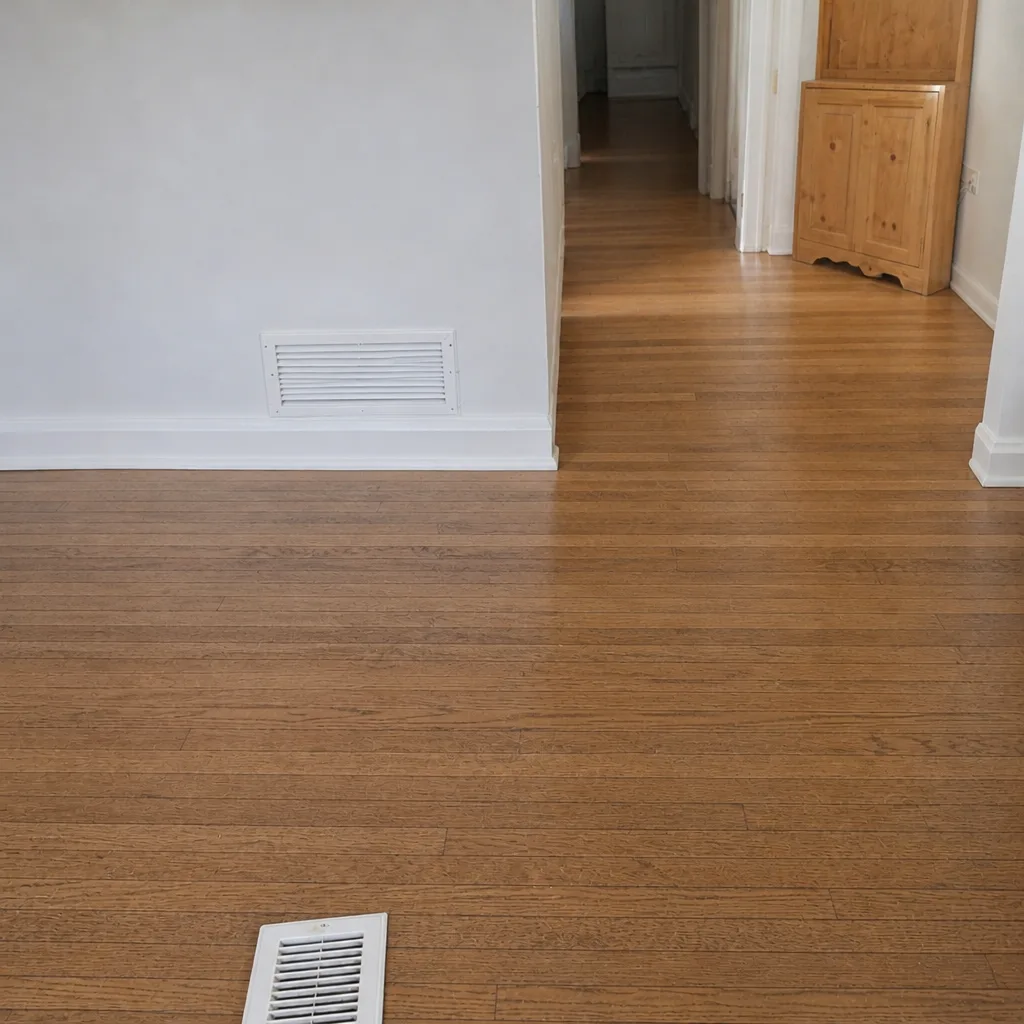 After
The Bottom Line
The three questions that eliminate most bad operators in Parkchester are the same three you should ask at every estimate: what vacuum and agitation equipment will be used, what the written scope covers down to register count and line footage, and whether the price is a flat per-system number or a per-vent quote that grows on site. Get the answers in writing before anyone starts. Then compare quotes by component, not by headline price. That single shift in method is what separates a real cleaning from a coupon appointment. We’d rather you hire carefully than quickly, because a proper cleaning, done once, beats a cheap one repeated twice.
Get a Written Estimate
If you’ve read this far, you already know what to ask. Call Air Duct Cleaning Parkchester at (855) 475-2006 for a free estimate and a flat price per system, agreed before any work starts. We answer 24/7. Fast dispatch from 7am to 7pm, Sunday through Friday. Our technicians have up to 9 years of experience, and we use contractor-grade equipment from Rotobrush, Nikro, and Abatement Technologies, with Guardsman and Honeywell products integrated where they fit your system. Before-and-after photos of your own ducts come standard, and the price we quote is the price you pay.
Written by the team at Air Duct Cleaning Parkchester.