
Last updated November 25, 2026
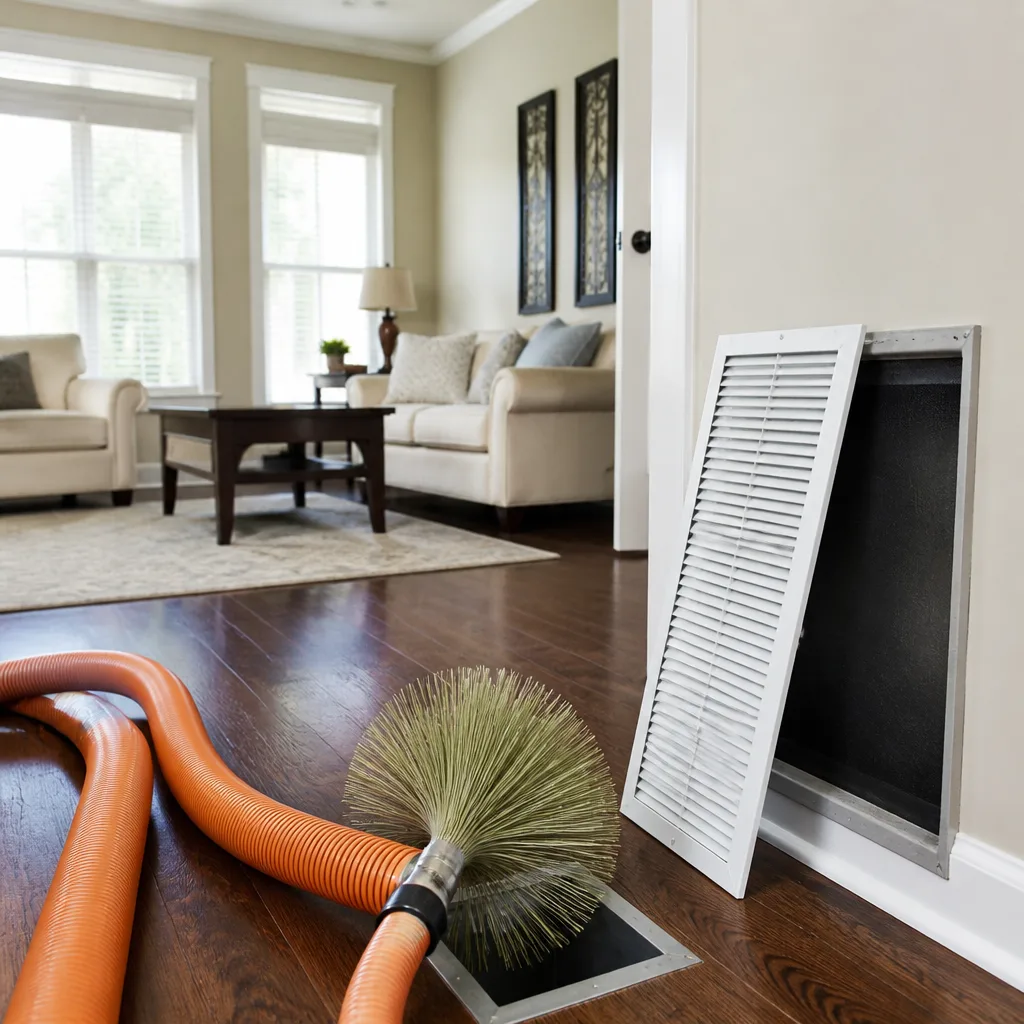 Whole-home duct cleaning
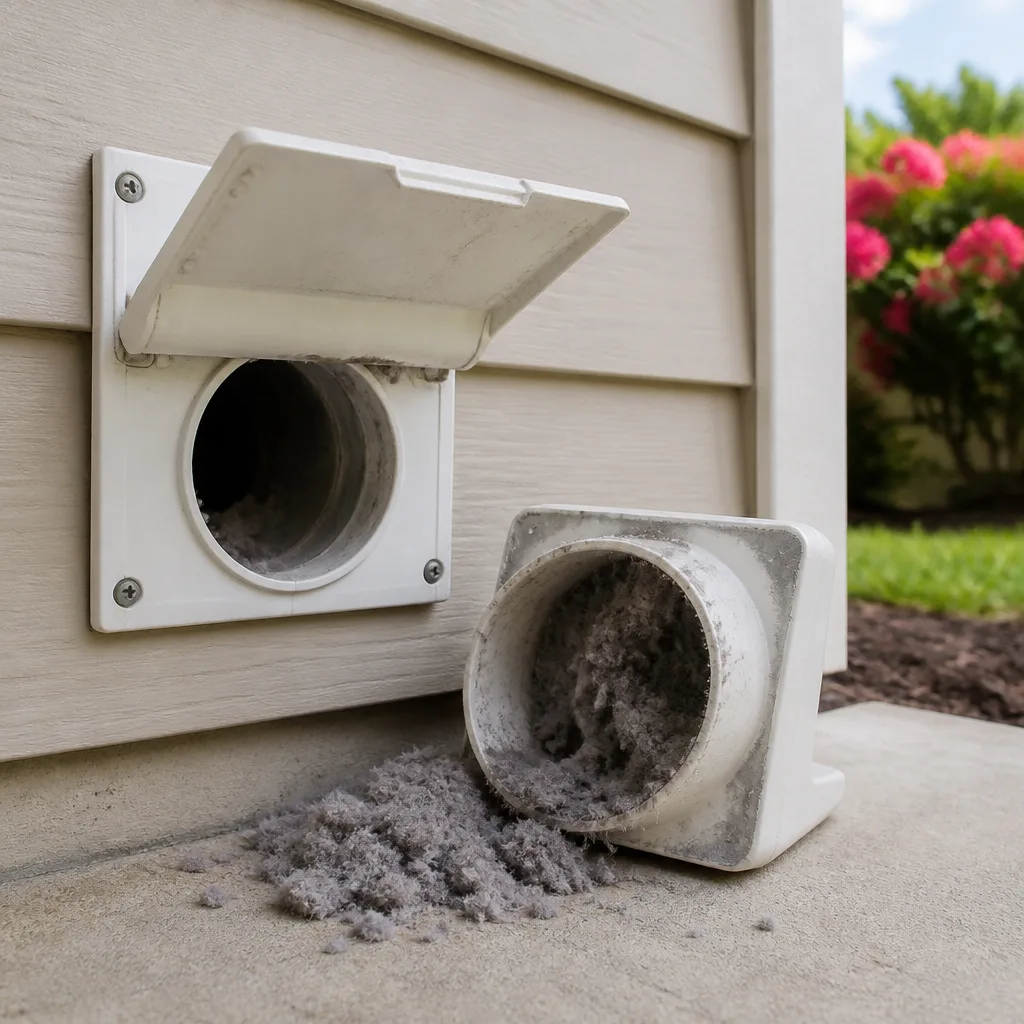 Dryer vent cleaning
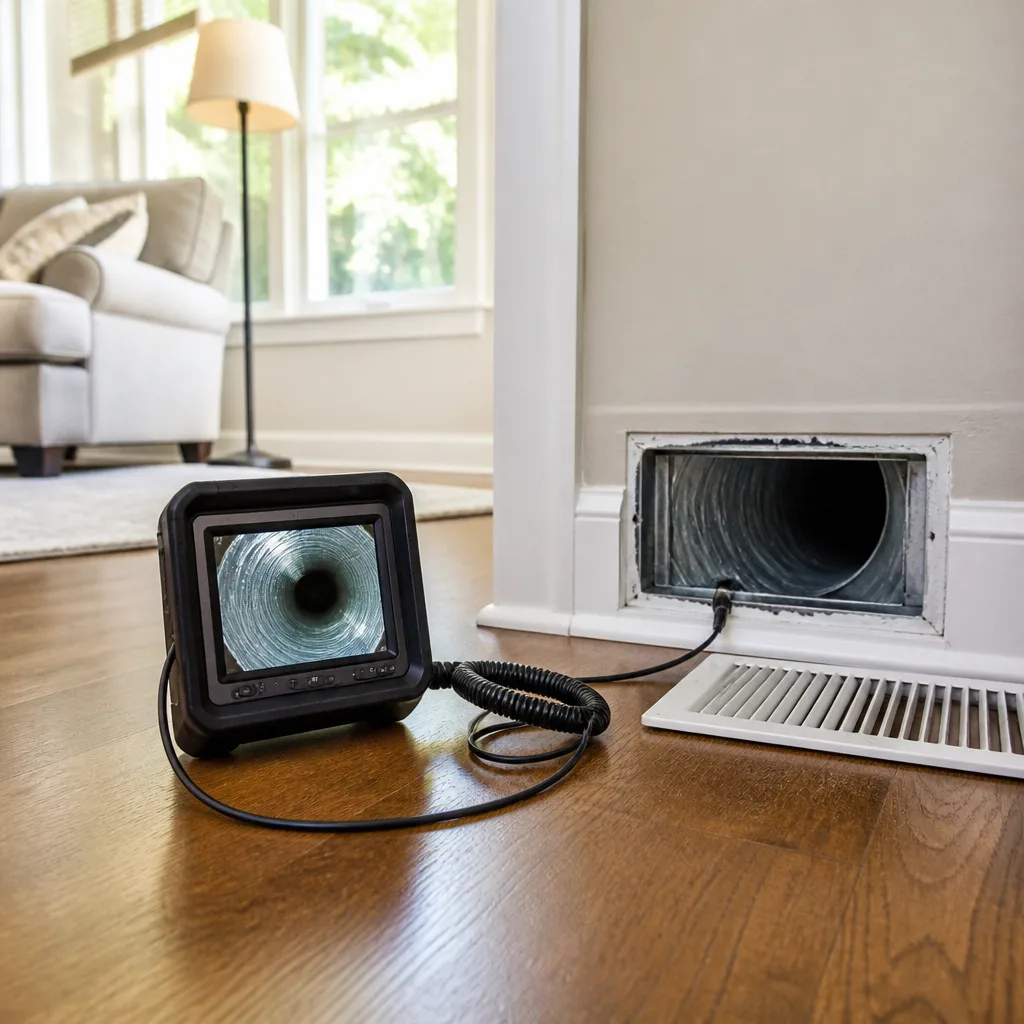 Camera inspection
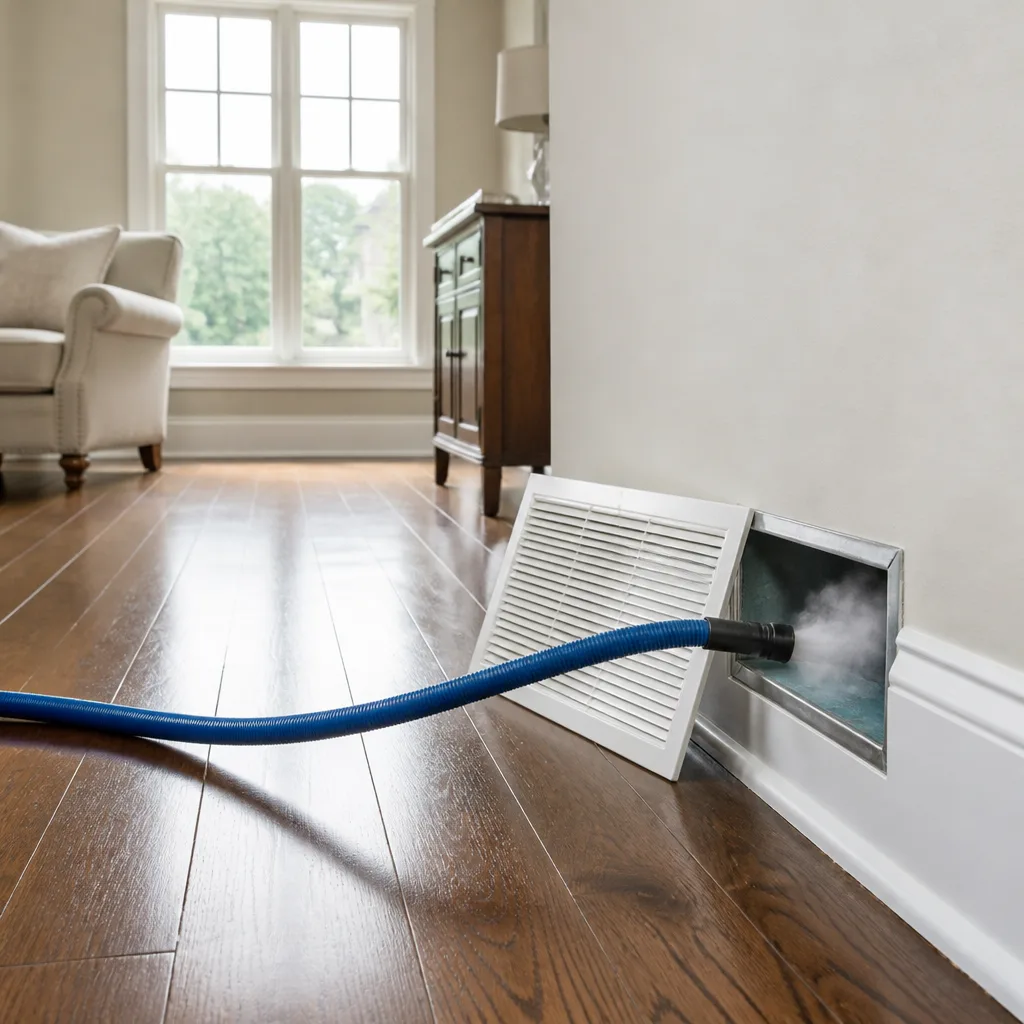 Sanitizing & deodorizing
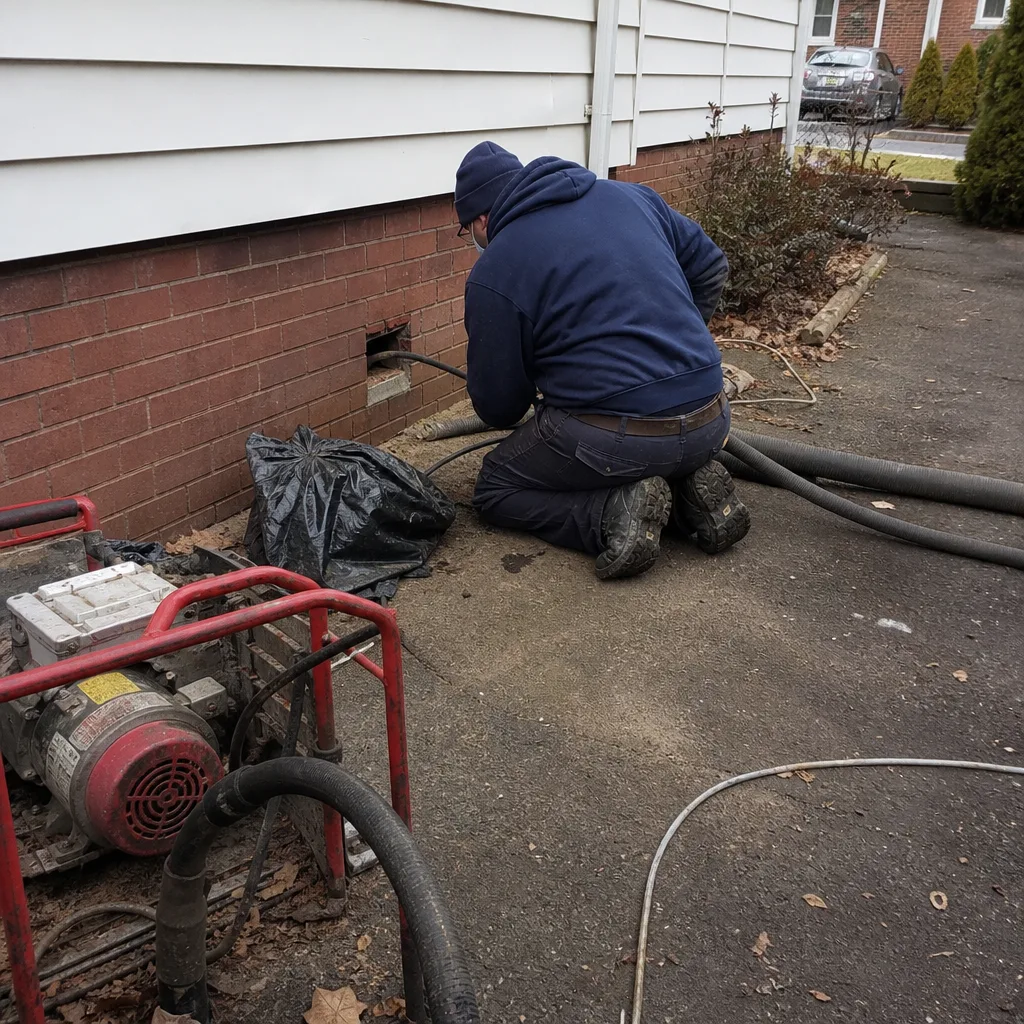
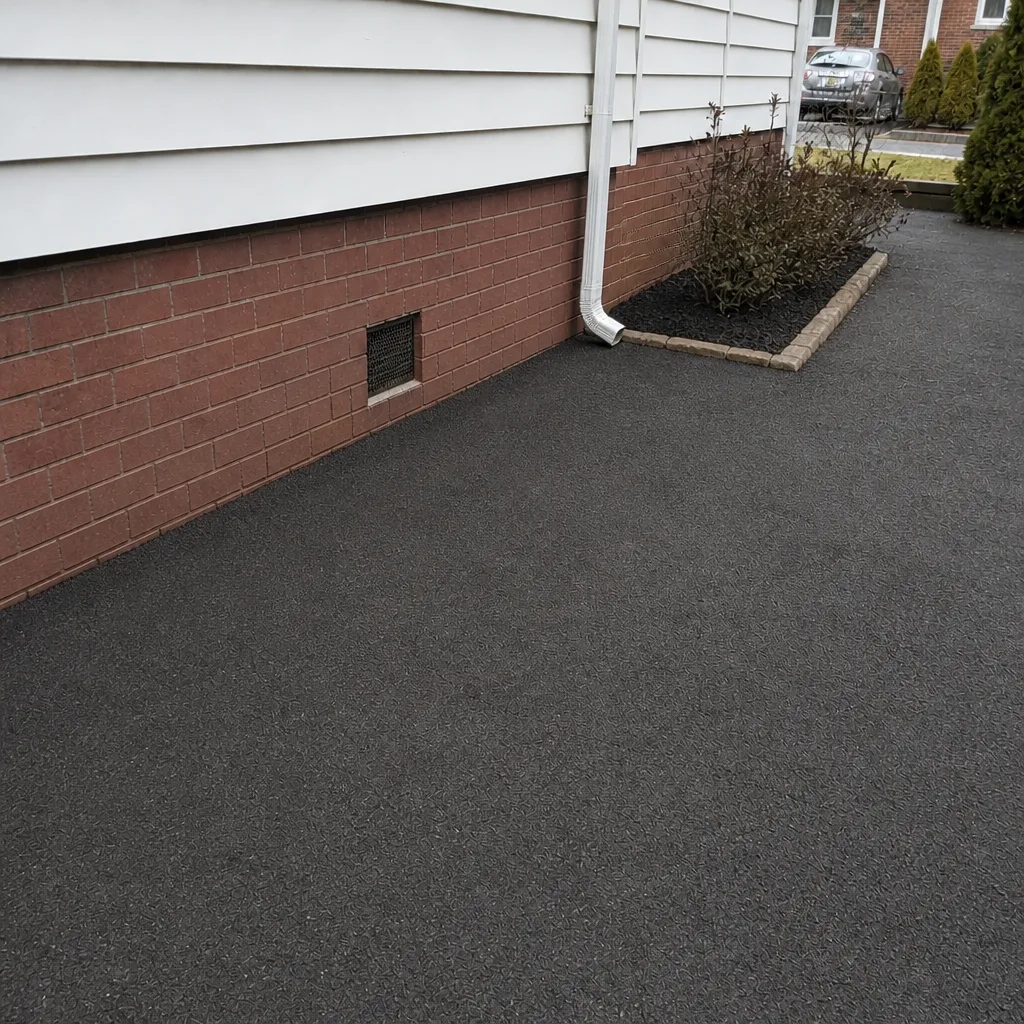
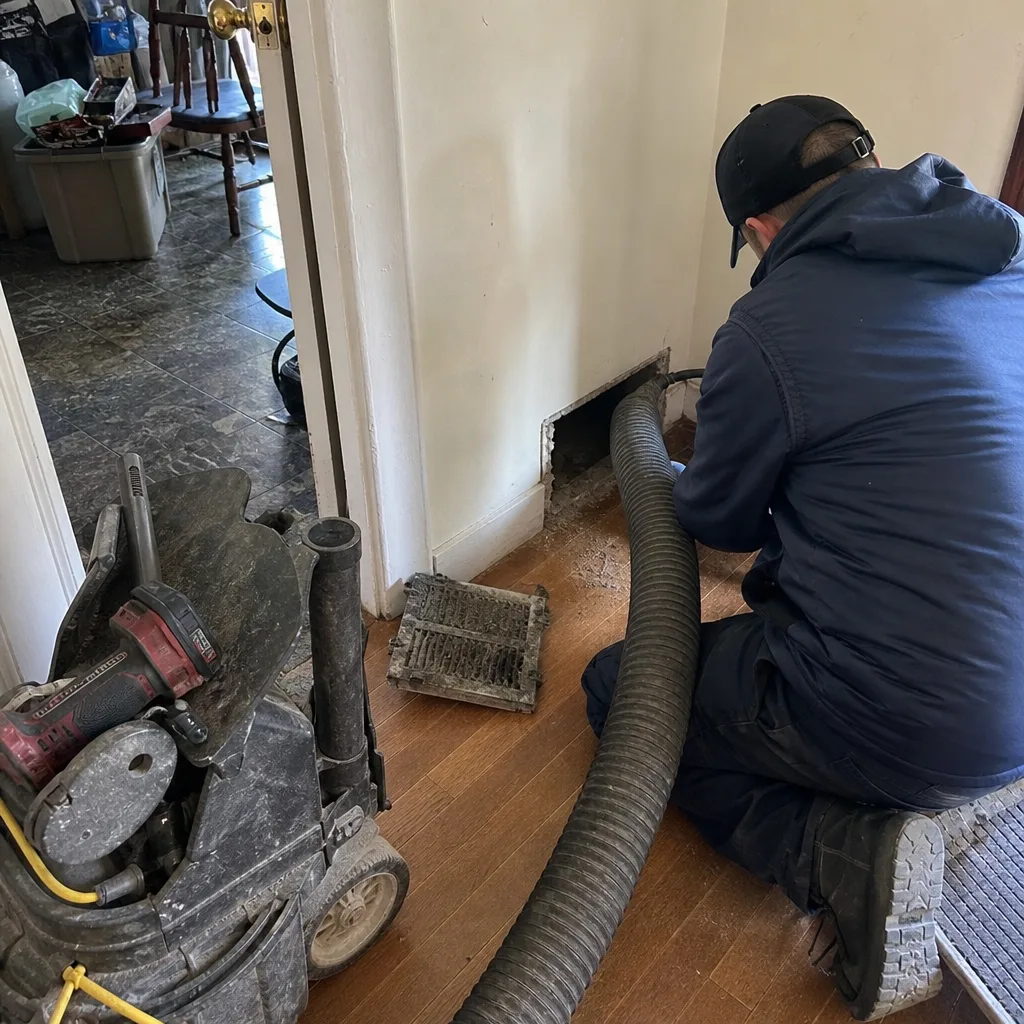
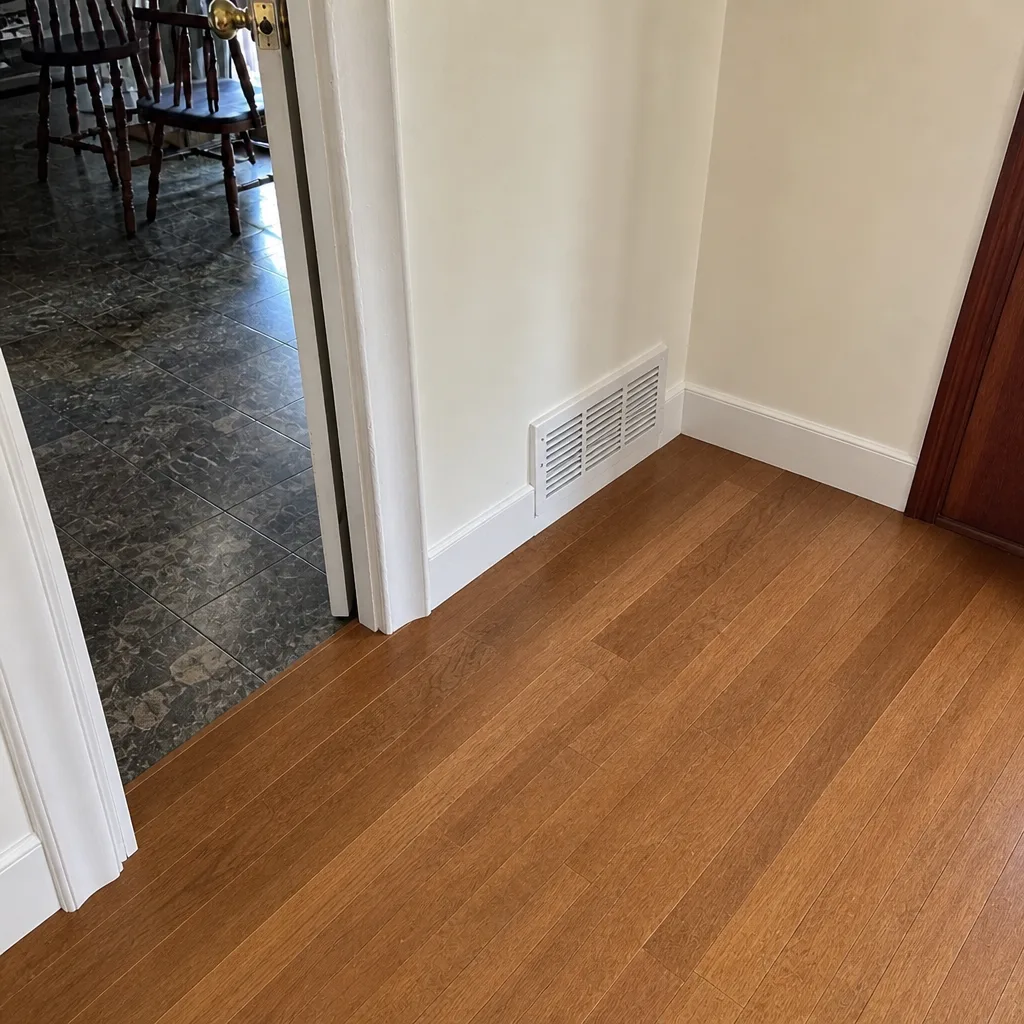
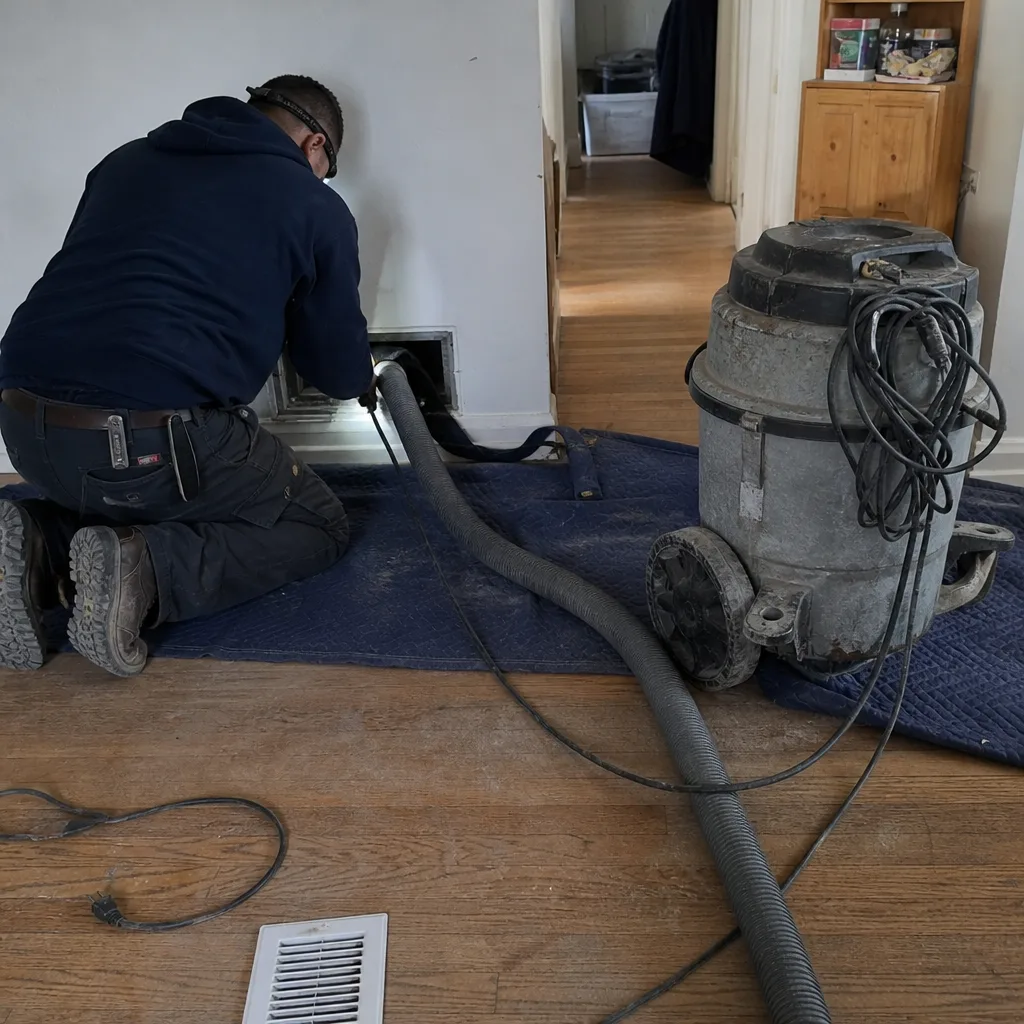
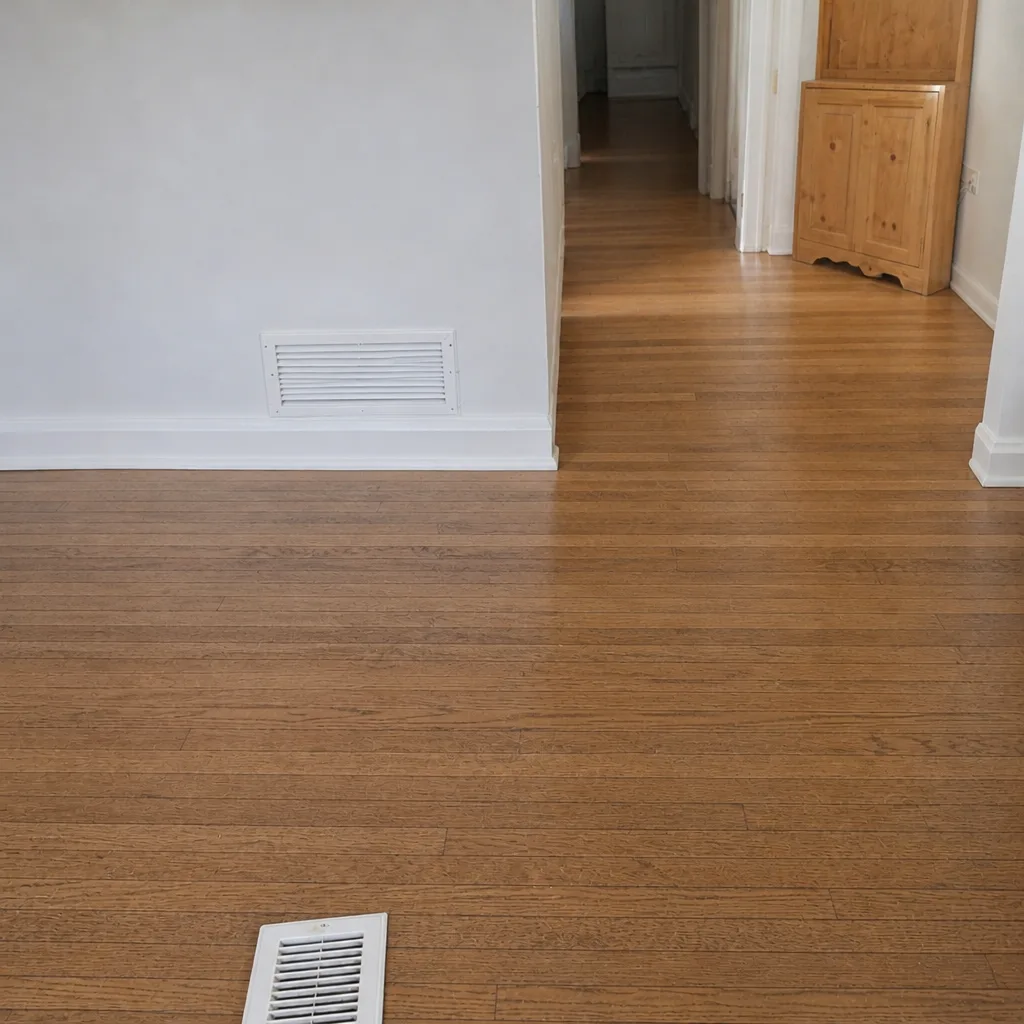
Whole-system duct and dryer vent check with before-and-after photos - you see exactly what came out of your vents
That "$99 whole-house special" is a bait ad - the real number appears once they are in your hallway, or the "clean" is a shop-vac at the register. We photograph the inside of your ducts before and after instead.
Air Duct Cleaning Cost Breakdown: The Parkchester Homeowner’s Reference for 2026
The national average air duct cleaning cost figure is nearly meaningless for a Parkchester homeowner with a 1960s-era trunk-and-branch system behind a finished ceiling. Square footage doesn’t set the price here. Register count doesn’t fully explain it either. What actually drives the invoice is how the system was built, what it’s made of, how a technician can reach it, and how much of the work is cleaning versus repair. A six-room apartment in a Parkchester co-op can cost more to clean than a much larger house with a simple layout and accessible chases. This guide breaks down every variable that shapes a real quote in Parkchester, from galvanized trunk lines to elevator-building access, so you can build a realistic budget before the first contractor knocks.
Quick Answer
Air duct cleaning in Parkchester typically runs roughly $450 to $1,400 for a whole-system residential job, with most co-op and condo apartments landing in the $450 to $800 range and larger houses or systems needing repair and sealing reaching toward $1,400 or beyond. Pre-1980 ductwork, limited access in elevator buildings, and add-on services like sanitizing, coil cleaning, or duct sealing are what push a quote higher. The written estimate, set per job, is the only number that counts.
Styles & brands we work with
- Whole-home duct cleaning
- Dryer vent cleaning
- Camera inspection
- Sanitizing & deodorizing
Table of Contents
- How Contractors Actually Price Duct Cleaning: Registers vs. Linear Footage
- Why Pre-1980 Parkchester Ductwork Costs More to Clean
- Add-On Service Pricing: What’s Worth Bundling and What’s an Upsell
- How Parkchester Co-op and Condo Access Conditions Add Real Cost
- What a Fully-Scoped Estimate Should Itemize
- Red Flags in Pricing: What a Suspiciously Low Quote Leaves Out
- Parkchester Climate and Housing: What It Does to Your Ducts
- How a Professional Cleaning Actually Works, Step by Step
How Contractors Actually Price Duct Cleaning: Registers vs. Linear Footage
There are two common ways a contractor quotes duct cleaning, and they produce very different numbers in Parkchester housing. The first is by register count: a flat rate multiplied by the number of supply and return vents in the home. The second is by system linear footage: an estimate of how many feet of duct the equipment actually has to travel through, plus the number of branches and turns.
Register-count pricing is fast and easy to quote over the phone. It’s also where a lot of quotes go wrong in Parkchester. A co-op apartment might have eight registers but a long, twisting run of duct feeding them through a dropped ceiling. Counting vents tells the contractor nothing about that labor. Linear-footage pricing takes longer to prepare because it requires looking at the system or at least the building plans, but it produces a number that actually matches the work.
For Parkchester homes specifically, the footage method tends to be more accurate for three reasons:
- Trunk-and-branch layouts from the mid-20th century often run longer than the square footage suggests, with main trunks that snake around structural columns and shared walls.
- Return ducts are frequently undersized or shared between units in older buildings, which changes the cleaning approach and the equipment setup time.
- Access points may be few and far between, meaning the technician has to create or find access to reach sections of duct a register-count quote never accounted for.
When you get a quote, ask which method the contractor used. If they priced purely by register count without seeing the system or asking about the building, treat that number as a starting point, not a final price. Our own approach leans on the footage-and-layout method because it holds up once the equipment is actually on site. For a fuller look at what the work involves, see our air duct cleaning service page.
Why Pre-1980 Parkchester Ductwork Costs More to Clean
Much of Parkchester’s housing stock went up before 1980, and older duct systems carry costs that newer construction simply doesn’t. Three factors add labor time and equipment requirements to a typical job here.
Galvanized sheet metal systems
Galvanized steel duct was the standard for decades, and it holds up well, but the seams and joints accumulate debris differently than modern sealed ductwork. Build-up along seams and at branch takeoffs requires more agitation time with a rotary brush system. Contractor-grade equipment like a Rotobrush brush-and-vacuum setup paired with Nikro HEPA-rated extraction is what makes that cleaning possible without spreading dust into the living space, but the labor still adds up.
Asbestos-wrapped trunk lines
Some mid-century duct systems were wrapped or taped with materials that in later decades were recognized as asbestos-containing. We never disturb suspected asbestos materials, and no reputable contractor should. When a technician encounters a wrapped trunk line, the job has to be paused or scoped differently, and the homeowner or building manager may need to have the material assessed before cleaning proceeds. This is a real cost variable in older Parkchester buildings, and it’s one that a cheap quote almost never accounts for. If a contractor doesn’t ask about the age and construction of your ductwork before quoting, that’s the first sign the quote is thin.
Inaccessible chases and finished ceilings
Getting to the ductwork is half the job. In pre-1980 buildings, duct often runs through finished walls, dropped ceilings, and shared chases with no access panels. A technician has to locate the run, create the minimum necessary access, and clean from there. That means more set-up time, more care around finishes, and sometimes repair work afterward. All of it belongs in the estimate.
The upside is that older galvanized systems, when they’re in decent shape, clean up beautifully with the right equipment. The cost premium is about labor and access, not about the duct being un-cleanable.
Add-On Service Pricing: What’s Worth Bundling and What’s an Upsell
Most air duct cleaning quotes have a base price and then a menu of add-ons. Some of those add-ons genuinely improve the result. Others exist mainly to raise the ticket. Here’s how to separate them.
Sanitizer application
Sanitizing addresses microbial growth and odors after cleaning. It’s worth bundling when there’s a real reason: visible growth, persistent musty smell, or a system that’s been wet. It’s not something every job needs. We use Guardsman and Abatement Technologies product lines for this work, and we’ll tell you honestly when a system doesn’t need it. If a contractor pushes sanitizing on every job as a default, ask what they saw that justifies it.
Coil cleaning
The evaporator coil is where air handling and moisture meet, and a dirty coil cuts efficiency and can harbor growth. Coil cleaning is often worth bundling with HVAC cleaning because the coil is already accessible once the system is open. Skipping the coil while cleaning the ducts leaves a dirty component at the center of a freshly cleaned system.
Dryer vent cleaning
Your dryer vent is a fire hazard waiting to happen when lint builds up, and it’s a separate system from your HVAC ducts. Some duct-cleaning contractors treat it as an upsell tacked on at the end. We treat dryer vent cleaning as its own safety service, priced on its own. Whether you bundle it or book it separately, don’t skip it. A dryer vent that hasn’t been cleaned in years is one of the most common household fire risks, and it’s cheap insurance compared to the alternative.
Duct sealing
Cleaning ducts that still leak conditioned air into walls and ceilings is a partial job. Duct repair and sealing closes that gap, and it’s the add-on most likely to pay for itself through efficiency. In older Parkchester systems with aging seam tape and disconnected joints, sealing is frequently the difference between a system that works and one that wastes money quietly.
Filtration hardware upgrades
Filtration and humidity control hardware from Honeywell and Aprilaire can be integrated into a system to improve long-term air quality. These are hardware recommendations, not cleaning add-ons, and they carry their own costs. Treat them as a separate decision, made after the cleaning and inspection, not something to agree to under pressure on the first visit.
How Parkchester Co-op and Condo Access Conditions Add Real Cost
A big share of Parkchester homes are co-ops and condos, and building access changes the math. These costs are real, and a fully-scoped written estimate should show them rather than absorbing them silently or springing them at the door.
- Elevator buildings: equipment has to be loaded, transported, and set up around building rules and elevator availability. Some buildings have time windows for move-ins and service work, which affects scheduling and sometimes requires a second visit.
- Restricted parking: a contractor who has to circle for parking or work from a distant lot loses time before the job starts. In a dense area, that time is a real line item.
- Narrow hallways and tight turns: HEPA-rated vacuums and rotary brush equipment are bulky. Moving them through a tight co-op hallway and into position takes longer than walking into a suburban garage.
- Building permission and COI requirements: many co-op boards require a certificate of insurance and advance notice before a contractor works inside the unit. A professional operator plans for this. A low-bid operator may not, and the job stalls when the building asks for paperwork.
When you get quotes, tell the contractor exactly what building you’re in and what the access looks like. A Parkchester contractor who knows the area will factor it in. One who doesn’t may quote low and then adjust on site. The written estimate, per job, agreed before work starts, is how we handle it. That’s the standard to hold every bidder to. You can reach us at (855) 475-2006 to talk through your building’s specifics.
What a Fully-Scoped Estimate Should Itemize
A legitimate estimate isn’t a single number on a napkin. It’s a document you can hold a contractor to. Here’s what a minimum, fully-scoped estimate should include:
- The base cleaning scope, stated by system rather than by vent, with the number of supply and return runs or the linear footage covered.
- Access work: whether access panels will be located, existing panels used, or new access created, and who handles any repairs to finished surfaces.
- Equipment class: the extraction and agitation system to be used, so you can confirm it’s contractor-grade rather than a consumer shop vacuum.
- Add-ons spelled out separately: sanitizing, coil cleaning, dryer vent cleaning, duct sealing, each with its own price and a note on whether it’s recommended or optional.
- Building access considerations, including any COI requirements, elevator or parking constraints, and scheduling windows.
- What’s excluded: this is critical. Asbestos-wrapped materials, structural repairs, and hardware replacement should be named as outside the cleaning scope if they apply.
- Before-and-after documentation: confirm the contractor will photograph your system’s ducts during the work so you can see what changed.
- A satisfaction guarantee in writing, so you know the standard the job will be held to.
- The final price as set by the written estimate, agreed before any work begins.
Any quote that skips most of these items is a quote you can’t compare to another one. Hold every bidder to the same checklist and the cheap quotes stop looking cheap.
Red Flags in Pricing: What a Suspiciously Low Quote Leaves Out
If a quote comes in far below the others, the question isn’t whether it’s a bargain. It’s what’s missing. In our experience, a suspiciously low duct cleaning quote usually trims one or more of these:
- It prices by vent with a teaser rate and then charges per additional vent, per return, or per access panel once the technician is inside. The final invoice dwarfs the quote.
- It omits the returns. Many cheap quotes price only supply registers and treat return ducts as extra. Returns are often where the dirtiest air collects. A cleaning that skips them isn’t a cleaning.
- It uses consumer-grade equipment. A shop vacuum and a hose won’t agitate debris off galvanized seams or capture fine particulate. It moves the dust around and can push it back into the living space. Contractor-grade extraction is the difference between cleaning and stirring up.
- It skips the access work and cleans only the few feet of duct reachable from each register, leaving the trunk line untouched.
- It has no before-and-after documentation. If you can’t see the work, you can’t know it happened. This is the single most common gap in cheap quotes.
- It doesn’t inspect the system. A quote given without looking at the ductwork or asking about the building has no basis to be accurate.
- It pushes sanitizing and add-ons hard as the “real” job, with the base price as bait. The service that matters is the cleaning, done properly, with add-ons chosen for a reason.
The pattern is consistent: low quotes are built on a narrow scope. The fix is to insist on a written, itemized estimate and one flat price per system agreed before work starts, and to ask every bidder the same questions. A contractor who welcomes the questions is a good sign. One who dodges them isn’t.
Parkchester Climate and Housing: What It Does to Your Ducts
Parkchester sits in the northeast, which means four distinct seasons and a long heating season. That seasonal swing matters for ductwork in ways that don’t apply in milder climates.
Dry winter air and the heated interior of a co-op or condo pulls moisture through the building envelope, and duct systems in older buildings often run through unconditioned or semi-conditioned cavities. Over many heating seasons, condensation and temperature cycling along seams and joints take a toll. Galvanized duct seams open up, tape fails, and joints loosen. That’s one reason duct sealing is frequently worth bundling in this climate: cleaning is wasted effort if the system leaks conditioned air into a wall cavity and re-admits untreated air.
Summer brings humidity, and a duct system that’s leaking or poorly sealed in a humid season can pull moist air into the ducts. That moisture is what feeds microbial growth, and it’s why sanitizing comes up more often in Parkchester than in dry climates. The right move is to check for it, not to assume it. Warm, humid air meeting a cold evaporator coil also means the coil itself accumulates moisture and debris, which is why coil cleaning tends to travel with HVAC cleaning here.
The housing stock amplifies all of this. Dense co-op and condo buildings share walls and often share duct runs, so one unit’s air handling affects the next. Older buildings with less-than-tight systems mean more air moving through ducts that weren’t designed with modern filtration in mind. That’s not a reason for alarm. It’s a reason to know your system and maintain it. A Parkchester cleaning job done well is about understanding how the building was built, not just running a vacuum through a vent.
How a Professional Cleaning Actually Works, Step by Step
Knowing the process makes pricing make sense, and it lets you judge whether a contractor is doing the work or just the minimum. Here’s how a proper cleaning of a Parkchester residential system goes:
- Inspection. The technician walks the system, locates runs and returns, checks access points, and notes the construction and condition of the ductwork. This is where the estimate gets its footing.
- Setting up containment. Openings and return grilles get covered, and HEPA-rated extraction is connected so the system is under negative pressure during cleaning. Dust goes out, not into the living room.
- Agitation and extraction. A rotary brush system reaches into the duct and agitates debris off the walls and seams while the HEPA-rated vacuum pulls it out. This is the step that separates a real cleaning from a surface pass. Contractor-grade equipment is essential here, and it’s why air duct cleaning done right takes time.
- Working through every run. Every supply branch and every return run gets cleaned. A crew that leaves the returns out has left half the job undone.
- Coil and component cleaning, when it’s part of the scope, so the system’s central components are clean too.
- Sanitizing, where needed, applied after the ducts are clean so it does what it’s meant to.
- Duct sealing and repair, closing leaks and reconnecting joints the cleaning revealed.
- Documentation. Before-and-after photos of your own ducts so you can verify what was done.
Services like dryer vent cleaning and HVAC cleaning follow their own process, but the standard is the same: contain, agitate, extract, verify. That’s the workflow we bring to every Parkchester job, and it’s the one to expect from anyone you hire.
Common Mistakes to Avoid
- Hiring on price alone. The cheapest bid is usually the narrowest scope. Compare quotes line by line, not by the bottom dollar.
- Not telling the contractor you’re in a co-op or condo. Building access, board paperwork, and elevator constraints are real costs. A contractor who doesn’t know them will quote low and adjust on site.
- Accepting a per-vent teaser price. It’s designed to grow once the technician is inside. Ask for one flat price per system, agreed before work starts.
- Skipping the ducts that don’t leak, sealing the ones that don’t. Cleaning without sealing in a leaky old Parkchester system is a partial job. Ask whether sealing is recommended, and why.
- Forgetting the dryer vent. It’s a separate system and a leading household fire cause. Don’t let it get folded into the HVAC cleaning as an afterthought, and don’t skip it.
- Not asking for before-and-after photos. If you can’t see your own ducts before and after, you’re taking the work on faith. A professional documents it.
- Assuming every duct system needs sanitizing. It should be recommended when there’s evidence, not applied to every job as a default upcharge.
See the difference
 Before
 After
 Before
 After
 Before
 After
When to Call a Professional
Some situations are clear calls for a professional. If a home inspection has flagged ductwork, that’s a direct trigger. Persistent musty odors, visible dust collecting at registers shortly after cleaning, allergy or asthma symptoms that seem linked to rooms with poor airflow, and a heating or cooling system that’s running harder than it used to all point toward a system that needs attention. Older Parkchester buildings with galvanized systems and aging seams are also good candidates for an inspection and a sealing assessment, even if nothing seems visibly wrong yet. And if your dryer is taking noticeably longer to dry a load, that’s a dryer vent issue worth checking promptly. Air Duct Cleaning Parkchester offers free estimates in Parkchester. Call (855) 475-2006. We answer 24/7. Fast dispatch from 7am to 7pm, Sunday through Friday. The local pro is licensed and insured as their state requires, and you get one flat price per system agreed before work starts.
Frequently Asked Questions
Most residential air duct cleaning in Parkchester falls in the rough range of $450 to $1,400 depending on the system, with typical co-op and condo apartments landing around $450 to $800 and larger or repair-inclusive jobs reaching toward $1,400 and up. The written estimate sets the final price per job. Call (855) 475-2006 for an exact quote, estimates are free.
Cheap quotes usually leave out the returns, use consumer-grade equipment, skip access work, or price per vent and grow the invoice on site. They’re built on a narrow scope. Ask for an itemized written estimate and one flat price per system before any work starts. Call (855) 475-2006 for a quote you can compare line by line.
Ask for before-and-after photos of your own ducts, taken during the job, and a written scope of what was cleaned and how. That’s how a professional documents the work. If a contractor can’t show you what changed, the work is unverifiable. Call (855) 475-2006 to schedule with a crew that documents every job.
There’s no single schedule that fits every home. Homes with allergy or asthma concerns, older systems with leaking seams, and recent renovation or moisture events are more likely to benefit sooner than a well-sealed newer system. A professional inspection tells you what your system actually needs. Call (855) 475-2006 for an assessment, estimates are free.
Duct sealing matters, especially in older Parkchester systems. Cleaning ducts that still leak conditioned air into walls and then re-admit untreated air leaves the system compromised. Sealing closes that gap and is the add-on most likely to pay for itself through efficiency. A contractor should tell you whether your system needs it and why.
Dryer vent cleaning is a separate service, because the dryer vent is a separate system from your HVAC ducts and carries its own fire-safety stakes. We price it on its own rather than folding it into the duct cleaning as an afterthought. Ask about it as its own line item. Call (855) 475-2006 to book it.
The Bottom Line
The variables that drive air duct cleaning cost in Parkchester have almost nothing to do with square footage. They come down to system layout, the age and construction of the ductwork, access conditions in co-op and condo buildings, and which add-ons your system actually needs. A quote built by register count usually misses the footage, the returns, and the access work. A quote built by system scope, itemized in writing with add-ons priced separately and one flat price agreed before work starts, is the one to trust. Insist on before-and-after photos and a satisfaction guarantee. If a bid can’t show those, it’s not a comparison, it’s a guess. If you suspect your system is undermining comfort or air quality, Air Duct Cleaning Parkchester can help.
Get Your Free Estimate
Every Parkchester home is different, and your system deserves a quote built around how it was actually built. Call (855) 475-2006 for a free estimate. We answer 24/7. Fast dispatch from 7am to 7pm, Sunday through Friday. The pro who shows up is licensed and insured as their state requires, you get one flat price per system agreed before work starts, and you get before-and-after photos of your own ducts so you can see exactly what changed.
Written by the team at Air Duct Cleaning Parkchester.