
Last updated November 25, 2026
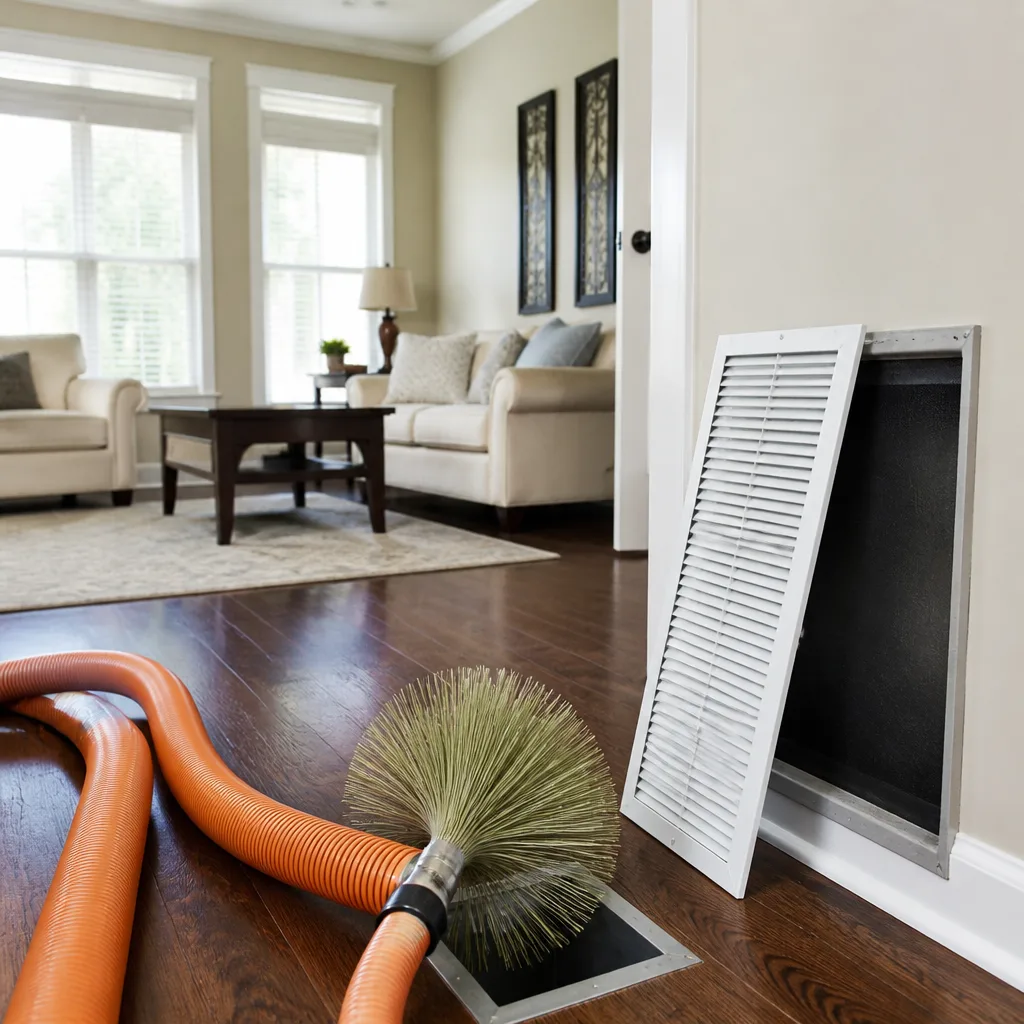 Whole-home duct cleaning
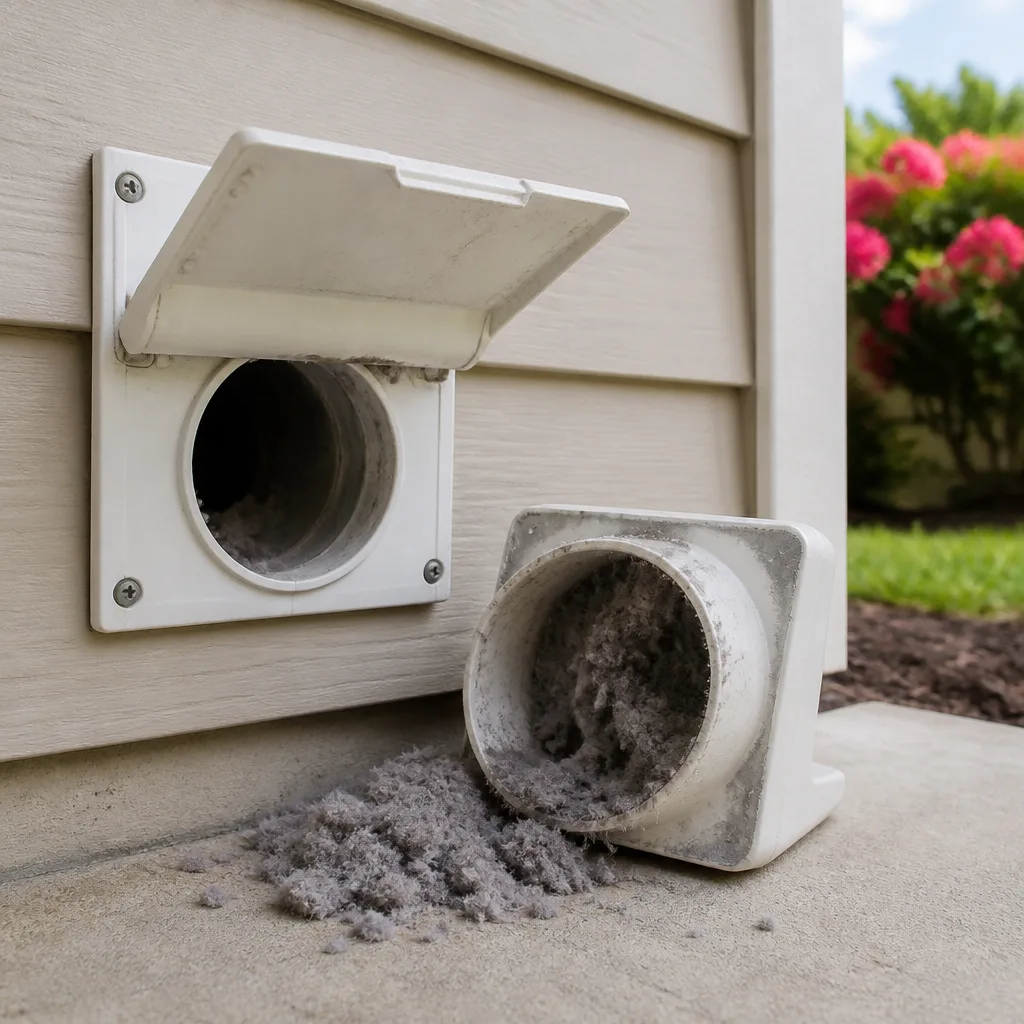 Dryer vent cleaning
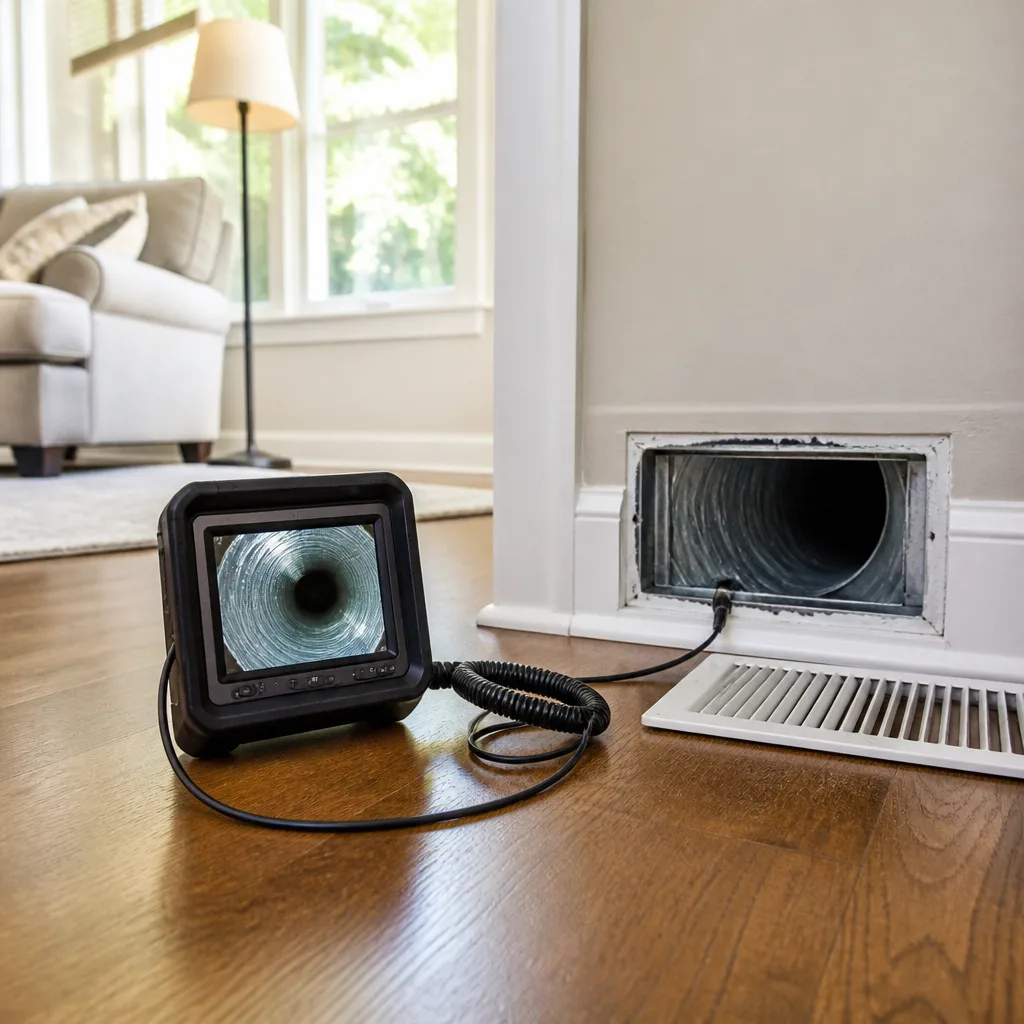 Camera inspection
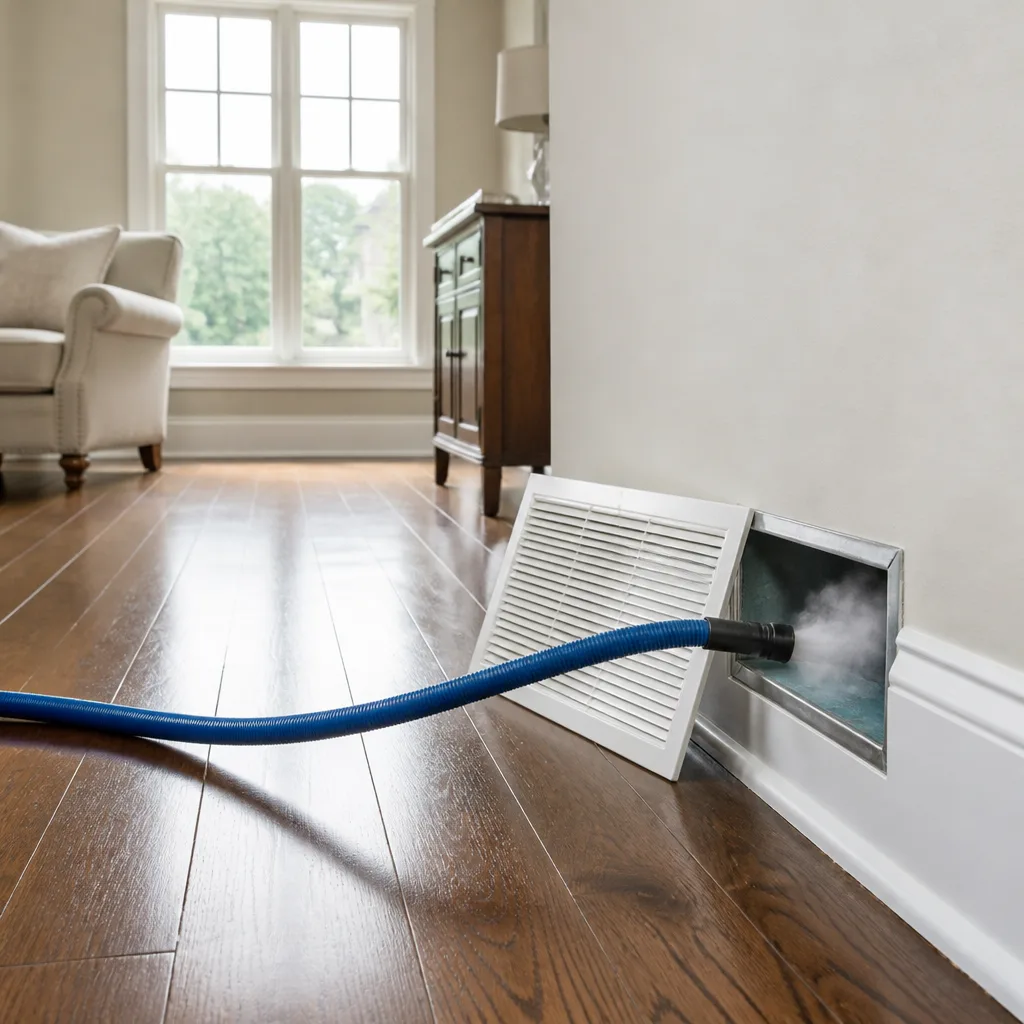 Sanitizing & deodorizing
Whole-system duct and dryer vent check with before-and-after photos - you see exactly what came out of your vents
That "$99 whole-house special" is a bait ad - the real number appears once they are in your hallway, or the "clean" is a shop-vac at the register. We photograph the inside of your ducts before and after instead.
The Complete Guide to Air Duct Cleaning in Parkchester
Most Parkchester homeowners who paid for “air duct cleaning” got a shop-vac on a wand, not a HEPA-negative-pressure system. That gap isn’t cosmetic. It’s the difference between moving debris around inside your ductwork and actually removing it from the building. A real full-cycle job runs through inspection, mechanical agitation, negative-pressure extraction, sanitizing, and a verification pass at the end, and each phase exists because the one before it can’t finish the job alone. In the pages below we map every phase of that process, explain what Parkchester’s older housing stock does to duct contamination, and show you how to tell a contractor-grade job from a one-truck vacuum visit before you write a check.
Quick Answer
A full air duct cleaning in Parkchester is a five-phase process: camera inspection, mechanical agitation with a rotary brush system, negative-pressure HEPA extraction, sanitizing, and post-job verification. It removes compacted debris from trunk lines, flex joints, and register boots rather than redistributing it. A single-pass vacuum with no agitation and no negative pressure is not duct cleaning, and the equipment difference is what separates the two.
Styles & brands we work with
- Whole-home duct cleaning
- Dryer vent cleaning
- Camera inspection
- Sanitizing & deodorizing
Table of Contents
- Why Parkchester’s Housing Stock Changes the Job
- The Five Phases of a Full-Cycle Duct Cleaning
- What Contractor-Grade Equipment Actually Does
- Source Removal vs. Surface Vacuuming
- When Cleaning Alone Isn’t Enough
- What Air Duct Cleaning Costs in Parkchester
- How to Verify the Work Was Done
- How Often Ducts Really Need Cleaning
Why Parkchester’s Housing Stock Changes the Job
Parkchester was built as a planned community in the late 1930s and 1940s, and much of the housing around it dates from the decades that followed. That timeline matters for ductwork. Pre-1980 construction in the Bronx typically uses galvanized steel trunk lines with shorter flex runs branching off to individual registers, and galvanized steel behaves differently from the foil-faced flex duct common in newer builds. It’s more durable, which is good, but its seams and joints collect debris in ways that smooth modern ductwork doesn’t.
Here’s what we find in Parkchester ductwork again and again:
- Galvanized trunk lines with riveted or slip joints. Debris packs into the joint gaps and builds a ridge that only mechanical agitation breaks loose. A vacuum alone glides right over it.
- Short flex branches at the register boots. The corrugated interior of flex duct traps lint and dust in the ridges. Those ridges are the single hardest spot to clean without a rotary brush.
- Older return-air chases. Return ducts in pre-1980 buildings often run through interior walls with less sealing than modern construction, which means they pull air from wall cavities and attic spaces along with the return grille.
- Original register boots with painted or taped seams. Decades of paint and tape at the boot-to-floor junction can crack and admit debris from the subfloor.
The building stock also shapes the contamination profile. Parkchester apartments and houses built before 1980 predate the widespread use of certain construction materials, and contractors doing duct work in older Bronx buildings need to know what they’re looking at before they start pulling debris loose. That’s why our process opens with a camera inspection rather than a wand down the first register. If you want the same full-cycle approach applied to your whole HVAC system, our HVAC cleaning service covers the air handler, coil, and blower along with the duct runs, because a clean duct network connected to a dirty evaporator coil recontaminates itself within a season.
The Five Phases of a Full-Cycle Duct Cleaning
A full-cycle duct cleaning in Parkchester moves through five phases in a fixed order. Skipping or shortening any phase is how a job ends up looking done without being done. Here’s what each phase accomplishes and how to tell whether it happened.
Phase 1: Pre-Inspection With Camera
Every job starts with a camera pushed into the trunk line and a sample of branch runs. The camera shows the technician the actual condition inside the duct: how deep the debris layer is, whether it’s dry dust, greasy buildup, or biological growth, and whether the duct has damage that cleaning would make worse. The inspection also confirms duct material, which determines which brush head the next phase uses. If a contractor shows up and starts vacuuming without a camera scope, the job is running blind.
Phase 2: Mechanical Agitation
Agitation is the phase that does the actual work of loosening debris. A rotary brush system, typically a Rotobrush whip or a comparable rotary head, is fed through the trunk line and spun against the duct walls. The whipping action breaks compacted dust and lint off the galvanized surface, out of the joints, and off the flex ridges. Without agitation, debris that’s bonded to the duct wall stays bonded no matter how strong the vacuum is.
Phase 3: Negative-Pressure HEPA Extraction
While the brush is agitating, a HEPA-filtered vacuum running in negative pressure pulls the loosened debris out of the system and into a collection unit. The negative pressure is what keeps debris from puffing out of the registers and into the room during the job. A Nikro HEPA-rated unit is the sort of equipment that runs this phase; consumer vacuums don’t hold enough static pressure or filter fine enough to do it.
Phase 4: Sanitizing Application
After the debris is out, an antimicrobial or sanitizing product is fogged through the clean ductwork to address what the brush couldn’t reach: microbial growth on damp surfaces, and odor that lives in the duct lining. This phase is optional for some jobs and essential for others. The camera footage from Phase 1 tells the technician which one yours is.
Phase 5: Post-Job Verification
The last step is a second camera pass and a before-and-after photo set captured at the same locations as Phase 1. If the job was done properly, the photos show the debris layer gone and the duct surfaces clear. This is the phase customers should ask for by name, because it’s the only objective proof the work happened.
What Contractor-Grade Equipment Actually Does
The gap between a professional duct cleaning setup and a residential one isn’t marginal. The two platforms are built for different things, and knowing the difference is the fastest way to tell whether you’re being quoted a real job. Our technicians run Rotobrush rotary brush systems paired with Nikro HEPA-filtered vacuums, and we deploy Abatement Technologies air filtration equipment on jobs that need additional airborne particulate control during the work.
Here’s what each component does that hardware-store tools can’t:
| Tool | What it accomplishes |
|---|---|
| Rotobrush rotary brush system | Agitates compacted debris off duct walls, joints, and flex ridges so the vacuum has something to capture |
| Nikro HEPA-rated vacuum | Holds negative pressure across the whole run and filters fine particulate at the source, preventing re-circulation into the living space |
| Abatement Technologies filtration | Controls airborne particles during the job, the same equipment class used in remediation and restoration work |
| Inspection camera | Documents condition before and after, and confirms duct material and damage before work starts |
A shop vacuum is a positive-displacement tool: it pulls air toward its intake hose, it doesn’t hold negative pressure across a 30-foot trunk line, and its filter lets fine dust back out the exhaust. A rotary brush on the end of a shop-vac hose agitates debris and then partially blows it back into the room. The contractor-grade platform is designed so that agitation and capture happen at the same time, in the same airflow envelope, without the debris ever escaping. For the standalone service covering ductwork alone, see our air duct cleaning page. For a guided walkthrough of what the job looks like on your specific system, start from Air Duct Cleaning Parkchester.
Source Removal vs. Surface Vacuuming
Source removal is the method of pulling contaminants out of the duct system at the point where they originated, rather than wiping the surface. The distinction matters most in exactly the places Parkchester ductwork tends to collect debris: at flex duct joints, at register boots, and at the seams of galvanized trunk lines. Surface vacuuming runs a hose down the duct and pulls what’s loose. Source removal agitates what’s packed and then extracts it under negative pressure, which is the only approach that clears the compacted layer from the places it actually sits.
Here’s the practical difference on a typical Parkchester run:
- At the register boot. Surface vacuuming pulls the dust ring visible around the grille. Source removal brushes the boot interior, the collar, and the first 24 inches of the branch, which is where lint and hair collect.
- At the flex branch. Surface vacuuming can’t reach into the corrugations. Source removal feeds a whip through the flex and loosens the ridge debris before extraction.
- At the galvanized trunk seam. Surface vacuuming skims the flat surface between seams. Source removal drives the brush against the seam to release the compacted ridge.
- At the air handler return plenum. Surface vacuuming leaves the plenum floor and connection points undisturbed. Source removal cleans the plenum and the transition to the return chase, where the heaviest debris collects.
The reason source removal is the standard is simple: ducts recontaminate from what’s left behind. If compacted debris stays in the joint, airflow keeps stripping it loose and redistributing it through the house. A surface pass buys you a few weeks of improvement. A source-removal pass buys you the interval you were promised.
When Cleaning Alone Isn’t Enough
Cleaning a leaking duct system is a losing trade. If conditioned air is escaping through a seam or a disconnected joint, the duct is pulling dirty air back in at the same rate, and the clean job you just paid for recontaminates fast. This is the gap competitors leave when they clean and walk away. Our position is that the job ends with sealing, not with extraction, and that’s why our dryer vent cleaning and duct repair work are handled as real services, not afterthoughts.
Here are the conditions where cleaning without sealing is wasted effort:
- Visible joint separation. If the camera shows a gap at a trunk or branch joint, the duct is leaking. Cleaning without sealing it is a temporary fix.
- Disconnected flex at the register boot. Often hidden above a ceiling or behind a wall, a disconnected flex run dumps conditioned air into a cavity and pulls debris back into the register.
- Ripped or crushed flex duct. Damage from previous work or from settling can’t be cleaned around. The run needs to be repaired or replaced before cleaning it makes sense.
- Unsealed trunk seams. Galvanized trunk lines in older Bronx buildings were often assembled with slip joints that were never taped or mastic-sealed. Those joints leak continuously.
- Return chase pulling from a cavity. An unsealed return chase pulls wall-cavity air into the system, which is unfiltered and often the dirtiest air in the house.
Sealing with mastic or foil tape at the joints and connections closes the loop. Once the system is tight, the clean ducts stay clean, and the filtration upgrades that make the most sense for your home (we work with Honeywell and Aprilaire product lines) actually perform as designed instead of fighting leak pressure.
What Air Duct Cleaning Costs in Parkchester
Air duct cleaning in Parkchester is priced per system, not per vent, and the estimate is agreed in writing before work starts. Typical ranges depend on how many runs the system has, how accessible the ductwork is, and whether repair or sealing is added. The written estimate is the final price; there are no add-ons after the technician is on site.
| Service | Typical estimated range |
|---|---|
| Air duct cleaning, standard residential system | Priced per system by written estimate |
| Duct repair and sealing (per job) | Priced per system by written estimate |
| Dryer vent cleaning (standalone) | Priced per vent run by written estimate |
| HVAC cleaning (air handler, coil, blower) | Priced per system by written estimate |
| Sanitizing application | Priced per system by written estimate |
Why we don’t quote per vent: a per-vent price rewards the contractor for counting registers, not for cleaning the trunk line, the plenum, and the flex branches where the debris lives. A system with six registers can take far longer to clean than one with ten if the trunk line is heavily compacted or the flex runs are damaged. A per-system price reflects the work. It also eliminates the low-coupon-then-upsell pattern that has given this trade its reputation. Ask for a flat price per system, agreed before the technician opens a single register, and ask for before-and-after photos of your own ducts, not stock images.
How to Verify the Work Was Done
Verification is the phase customers skip and shouldn’t. Here’s the check sequence to run on any duct cleaning job, whether it’s ours or someone else’s:
- Ask for the camera pass. Pre-job and post-job footage at the same locations. A contractor who doesn’t carry a camera can’t provide it.
- Get before-and-after photos of your own system. Stock photos or generic “after” shots don’t count. The photos should show the trunk line, a branch, and the plenum.
- Confirm the equipment on the truck. Rotobrush or a comparable rotary brush system, and a HEPA-rated vacuum. If the setup is a shop vac and a hose, it’s not the same job.
- Check the register boots after the job. Boots should be visually clean. If they’re dusty, the extraction didn’t seal properly during the run.
- Check for sealing at joints. If repair and sealing were included, look for mastic or tape at the trunk and branch joints. If the contractor didn’t seal, ask why.
For homeowners who are following up on a home inspection that flagged ductwork, the verification pass also gives you the documentation your inspector asked for. We can provide camera footage and photo records as part of the job.
How Often Ducts Really Need Cleaning
There’s no fixed calendar interval that fits every Parkchester home. The honest answer is that duct cleaning is condition-based, not schedule-based, and the condition depends on the system, the building, and what’s happening in the household.
The conditions that typically justify cleaning:
- Visible debris at the registers. If dust puffs out of the grille when the fan kicks on, or the grille is visibly loaded, the duct behind it is loaded too.
- Recent renovation or construction. Drywall dust, sawdust, and construction debris pull into the return system during any significant work.
- New occupancy. Moving into a Parkchester apartment or house with an unknown duct history is a reasonable reason to inspect and clean.
- Allergy or asthma symptoms that worsen indoors. If symptoms track with time spent in the home, the duct system is worth inspecting.
- Persistent odors when the HVAC runs. Musty or dusty smell from the registers is a signal that the system needs attention.
- After water intrusion or pest activity. Both leave contamination in ductwork that the camera should document before cleaning.
If none of those apply and your system was cleaned within the last several years, you likely don’t need another cleaning. Our position is that a camera inspection answers the question in a fraction of the time (and cost) of a full cleaning, and we’d rather tell you the ducts look fine than sell you a service you don’t need.
Common Mistakes to Avoid
- Accepting a per-vent price. A per-vent price rewards counting registers over cleaning the trunk line and plenum, where most of the debris actually lives. Ask for a flat per-system price instead.
- Skipping the camera inspection. Without camera footage before and after, there’s no way to know what got cleaned or whether the duct has damage that cleaning would make worse. A contractor without a camera is running blind.
- Letting a shop-vac pass for a HEPA system. A consumer vacuum can’t hold negative pressure across a thirty-foot trunk line, and its filter lets fine dust escape back into the room. If the setup looks like a hardware-store tool, it is.
- Cleaning without sealing. Cleaning a leaking duct system pulls debris back in as fast as it was removed. If the camera shows joint separation or disconnected flex, repair and sealing need to be part of the job.
- Ignoring the dryer vent while you’re at it. Dryer vents are a leading household fire cause, and most duct-only contractors won’t clean them. If you’re having the duct system serviced, add the dryer vent run.
- Believing “one truck, one pass” equals a full job. A single-pass vacuum with no agitation and no negative pressure relocates debris; it doesn’t remove it. The five-phase process exists because each phase finishes work the previous one couldn’t.
- Not asking for before-and-after photos of your own system. Generic “after” shots from a portfolio don’t verify the work happened in your ducts. Ask for photos at the same camera locations before and after.
See the difference
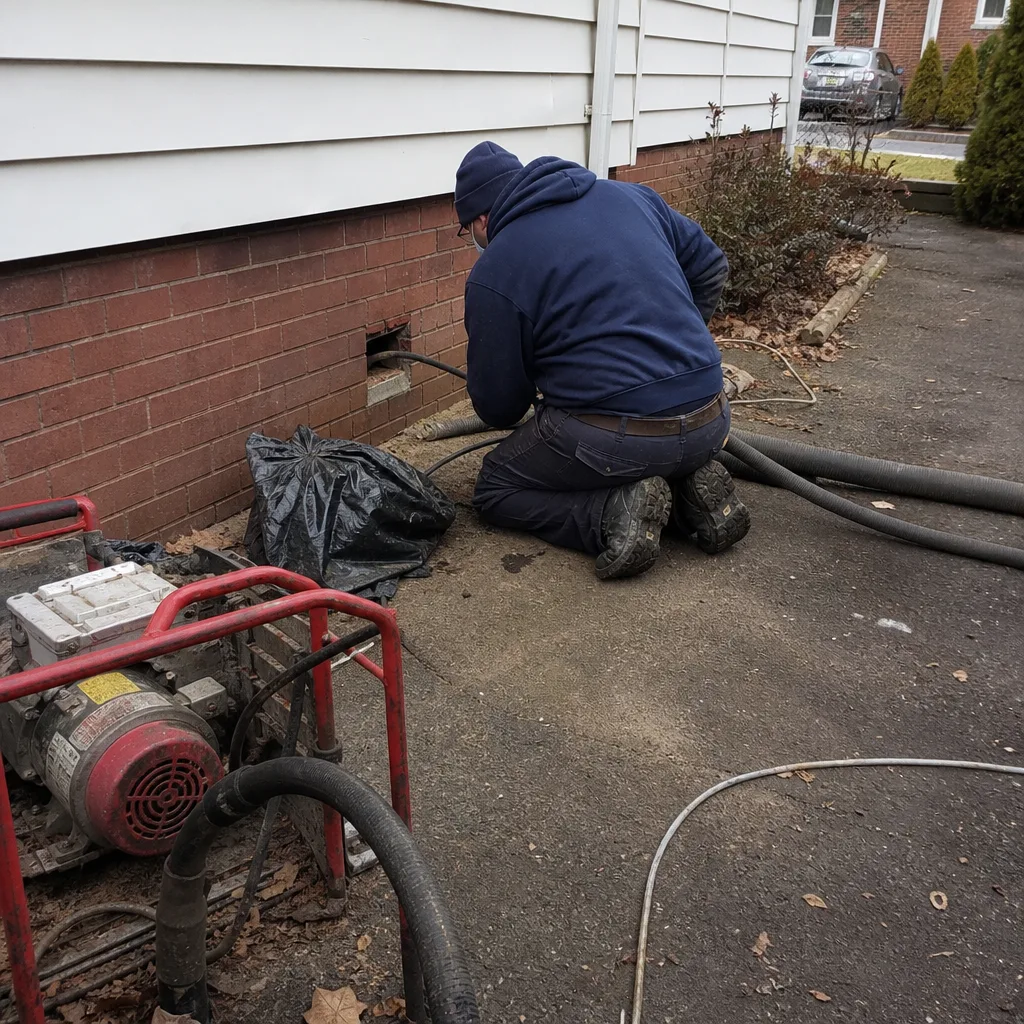 Before
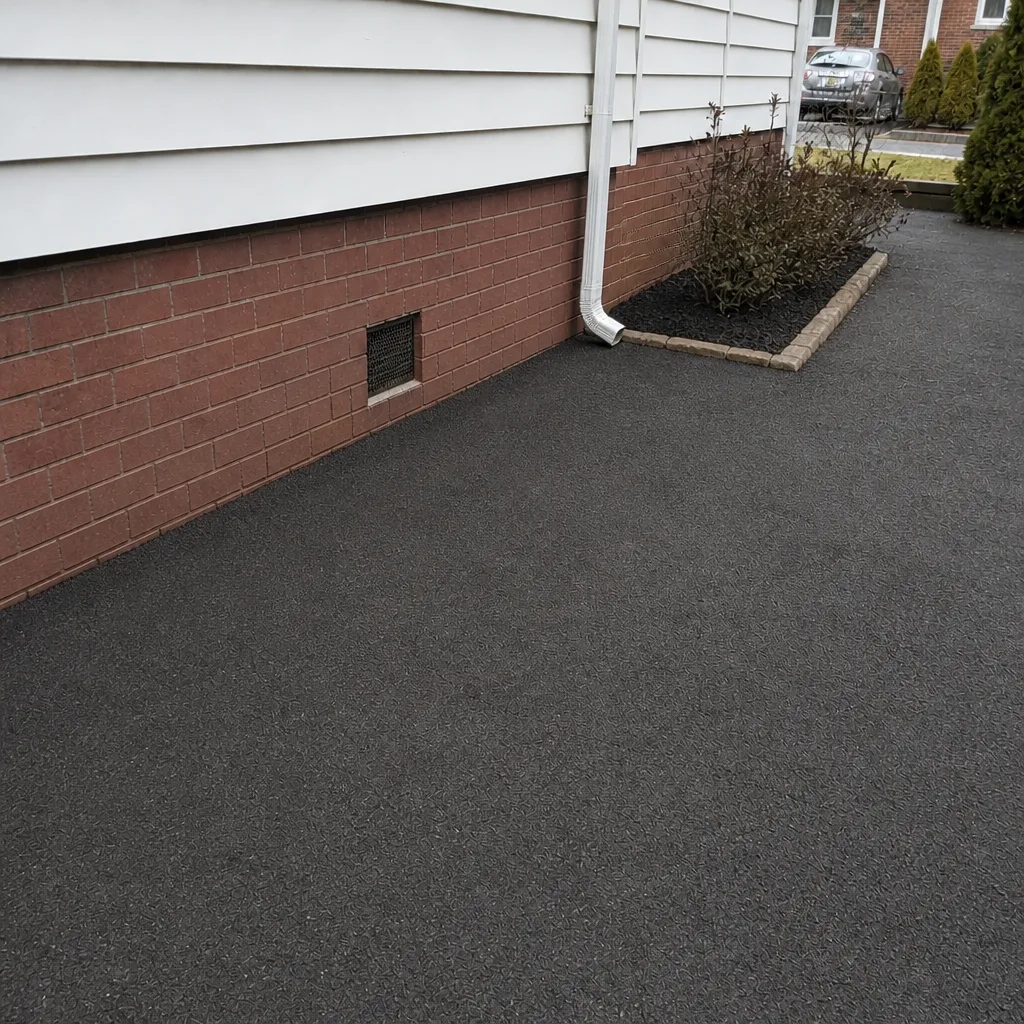 After
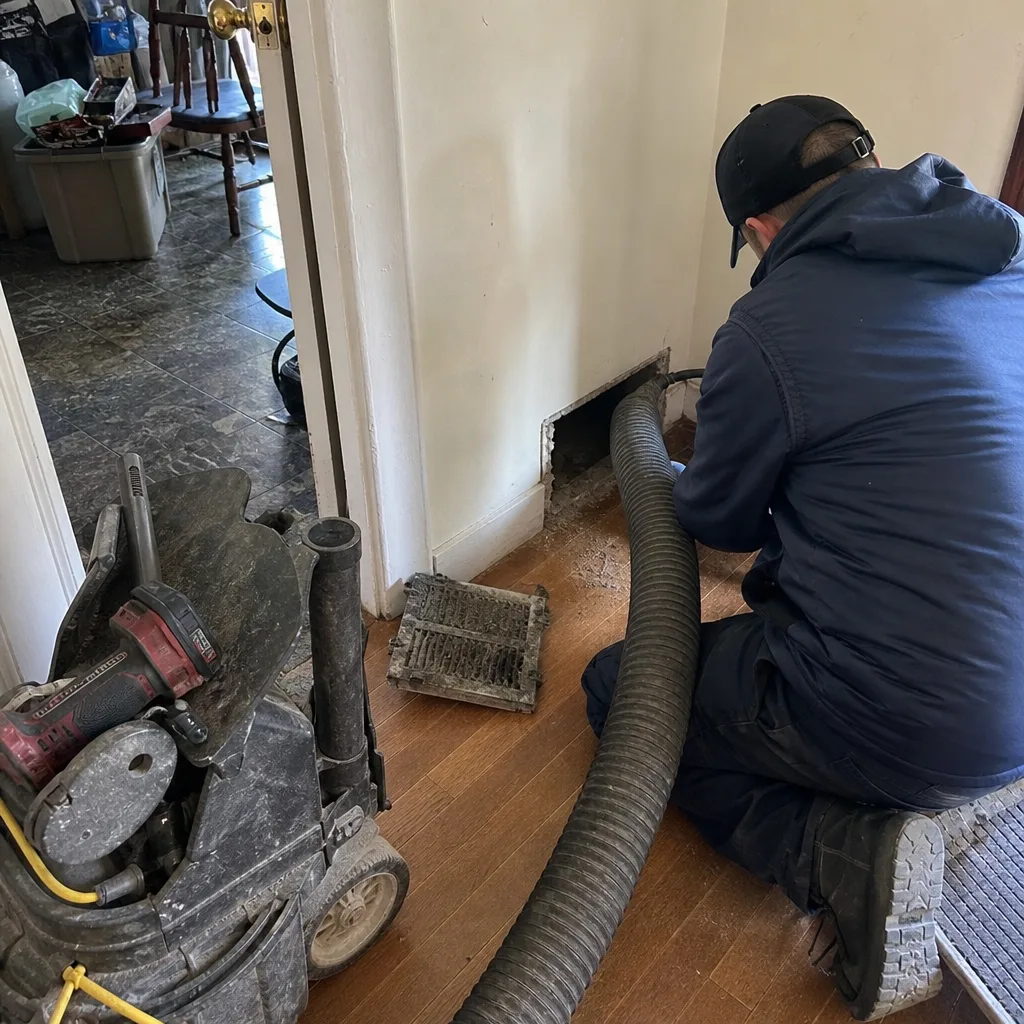 Before
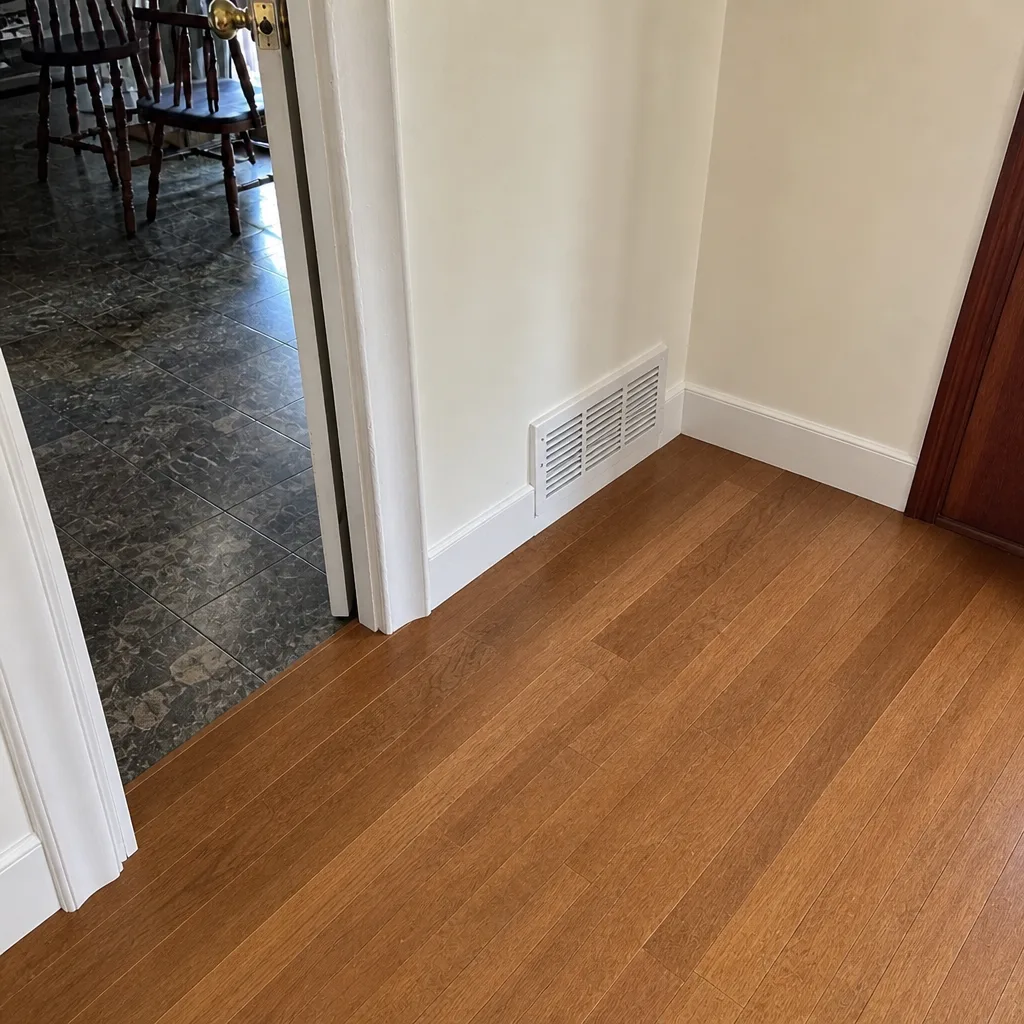 After
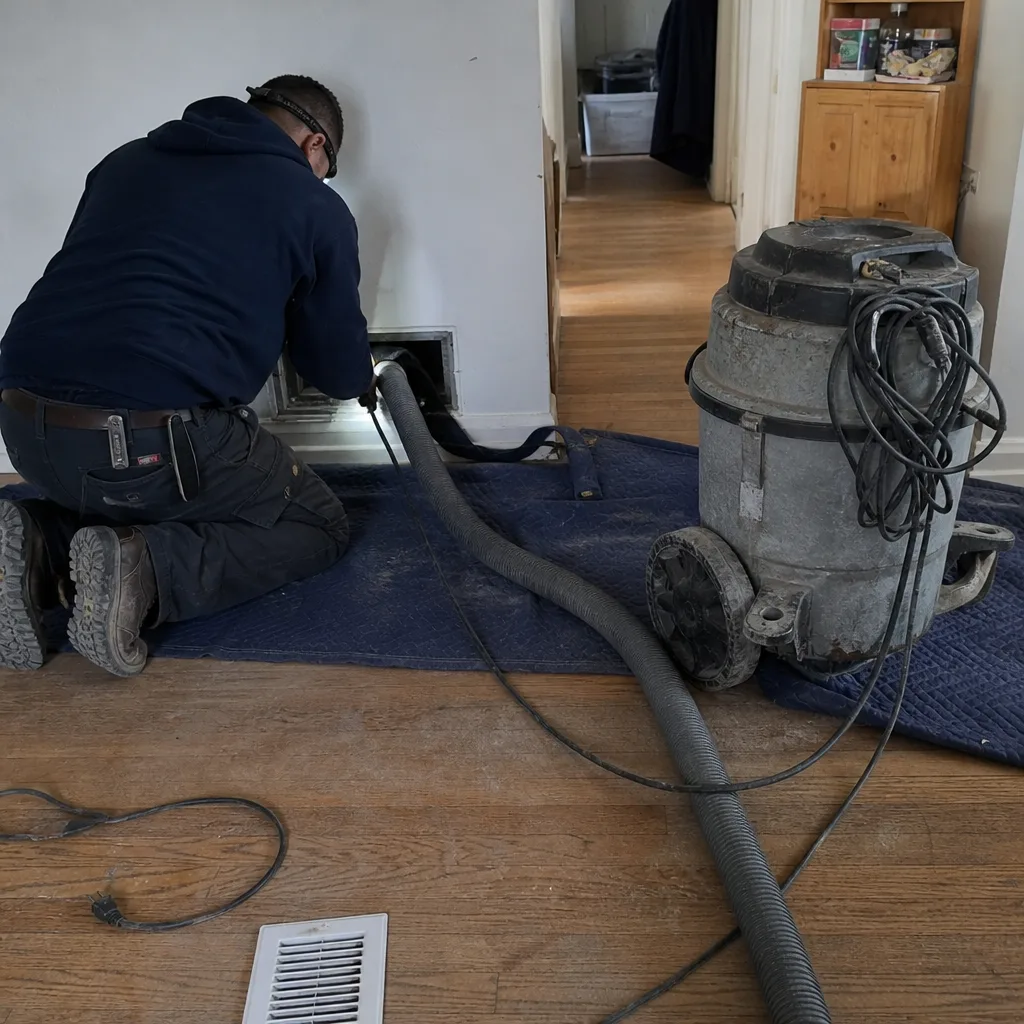 Before
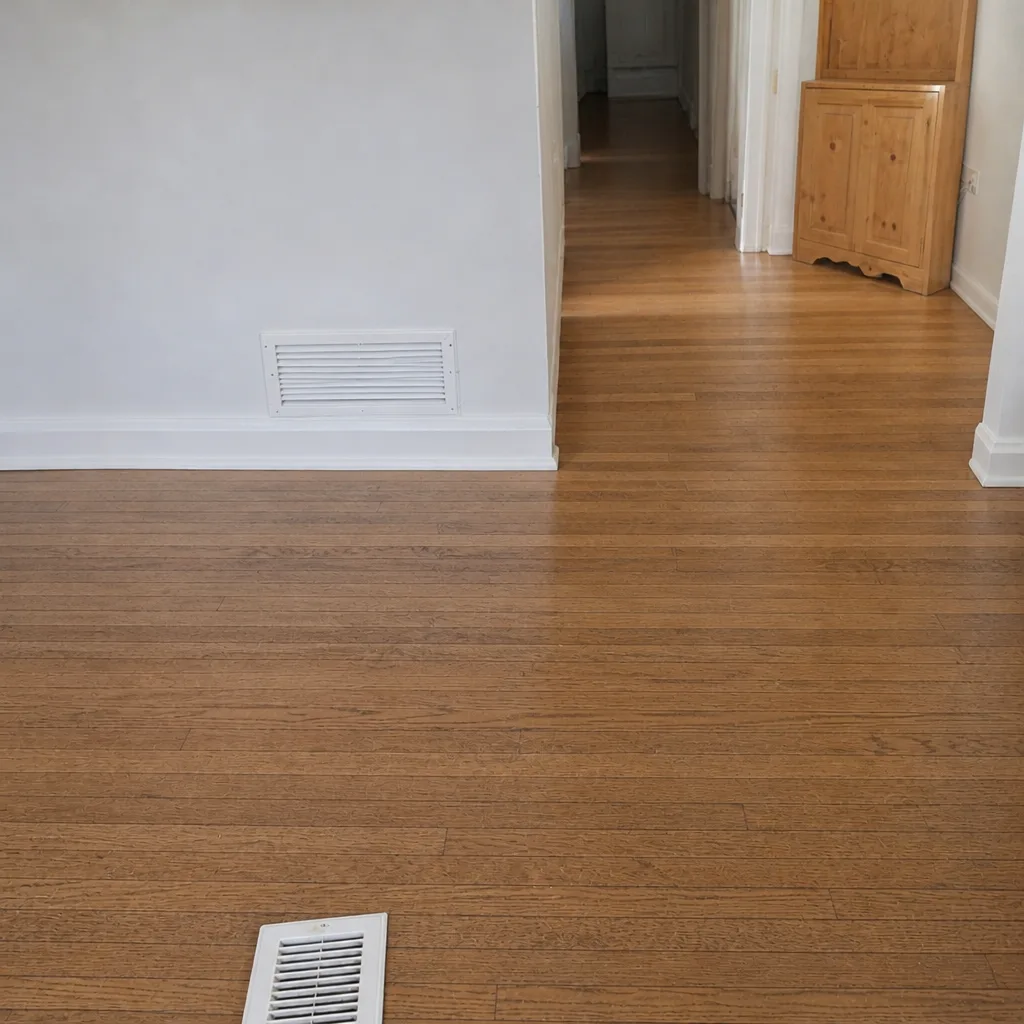 After
When to Call a Professional
Call a professional for duct cleaning when you see debris at the registers, when you’re following up on a home inspection that flagged ductwork, when you’ve had a renovation, or when allergy symptoms track with time spent indoors. Call immediately for a dryer vent that hasn’t been cleaned in years or that takes longer than one cycle to dry a load, and for any ductwork with visible joint separation or disconnected flex, since those need repair rather than cleaning alone. A camera inspection is the right first step in every case; it’s what tells you whether a cleaning is justified or whether the ducts are fine. Air Duct Cleaning Parkchester offers free estimates in Parkchester. Call (855) 475-2006. We answer 24/7. Fast dispatch from 7am to 7pm, Sunday through Friday.
Frequently Asked Questions
Air duct cleaning in Parkchester is priced per system by written estimate, so the exact number depends on your system’s size, accessibility, and whether repair or sealing is included. We give a flat price per system before work starts and the written estimate is the final price. Call (855) 475-2006 for an exact quote. Estimates are free. We answer 24/7. Fast dispatch from 7am to 7pm, Sunday through Friday.
Cheap quotes usually reflect cheaper equipment, and the difference is physical: a shop-vac on a hose can’t hold negative pressure across a trunk line or filter fine particulate the way a HEPA-rated system does. A low bid with no camera inspection, no agitation brush, and no post-job verification isn’t a smaller version of the same job; it’s a different job. Ask what equipment is on the truck and whether before-and-after photos of your own ducts are included. Then call (855) 475-2006 for a flat per-system quote.
Ask for camera footage and before-and-after photos of your own system at the same locations, taken before and after the cleaning. Visual proof at the register boots plus documented trunk-line footage is the objective record. If a contractor can’t provide it, the job can’t be verified. We provide both as part of the service. Call (855) 475-2006 to schedule an inspection.
There’s no fixed calendar interval; duct cleaning is condition-based, not schedule-based. Homes with recent renovations, visible register debris, indoor allergy symptoms, or a system of unknown history are the ones that benefit most. If none of those apply and the ducts were cleaned recently, a camera inspection is usually the right step rather than a full cleaning. Call (855) 475-2006 to book an inspection. Estimates are free.
Cleaning helps when the duct system is actually holding contaminants that reach the living space, since source removal reduces what gets redistributed through the registers. It doesn’t replace filtration; it makes filtration work better by clearing the debris load the filter has to fight. If allergies track with time spent indoors, a camera inspection will show whether the duct system is a contributor. Call (855) 475-2006 for a free estimate.
Duct cleaning covers the duct network: trunk lines, branches, register boots, and plenum. HVAC cleaning covers the air handler itself: the evaporator coil, blower, and cabinet interior. They’re separate services because a clean duct network connected to a dirty coil recontaminates within a season, and vice versa. We quote them separately so you can see exactly what’s being done. Call (855) 475-2006 to discuss which your system needs.
The Bottom Line
A real air duct cleaning in Parkchester is a five-phase remediation process, not a vacuum pass. It starts with a camera inspection, moves through mechanical agitation and HEPA negative-pressure extraction, applies sanitizing where the footage shows it’s needed, and ends with verification photos of your own ducts. Parkchester’s older Bronx housing stock, with its galvanized trunk lines and short flex branches, makes the agitation and extraction phases more important, not less, and cleaning without sealing a leaking system wastes the work. One flat price per system, agreed before work starts. Before-and-after photos of your own ducts as proof. That’s the standard we hold ourselves to on every job.
Call (855) 475-2006 for a free estimate. We answer 24/7. Fast dispatch from 7am to 7pm, Sunday through Friday.
Written by the team at Air Duct Cleaning Parkchester.