
Last updated November 25, 2026
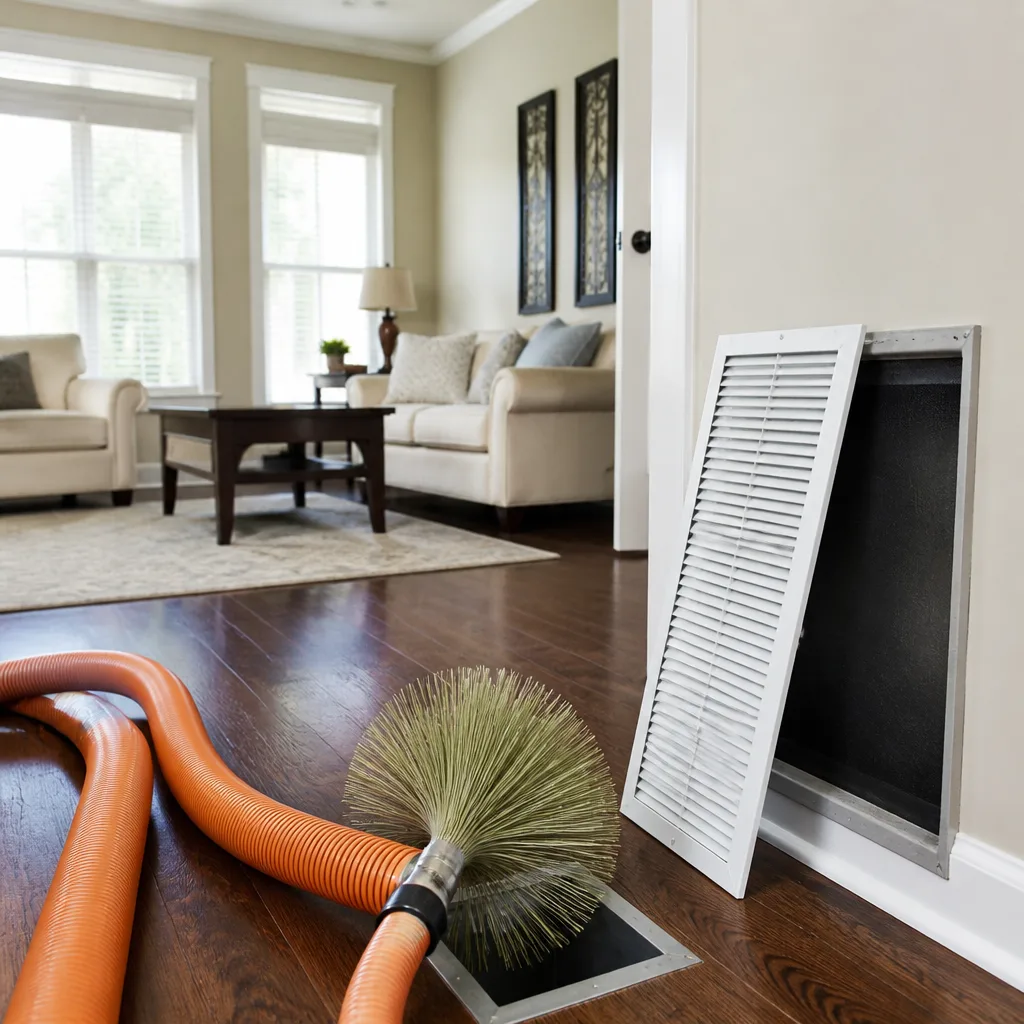 Whole-home duct cleaning
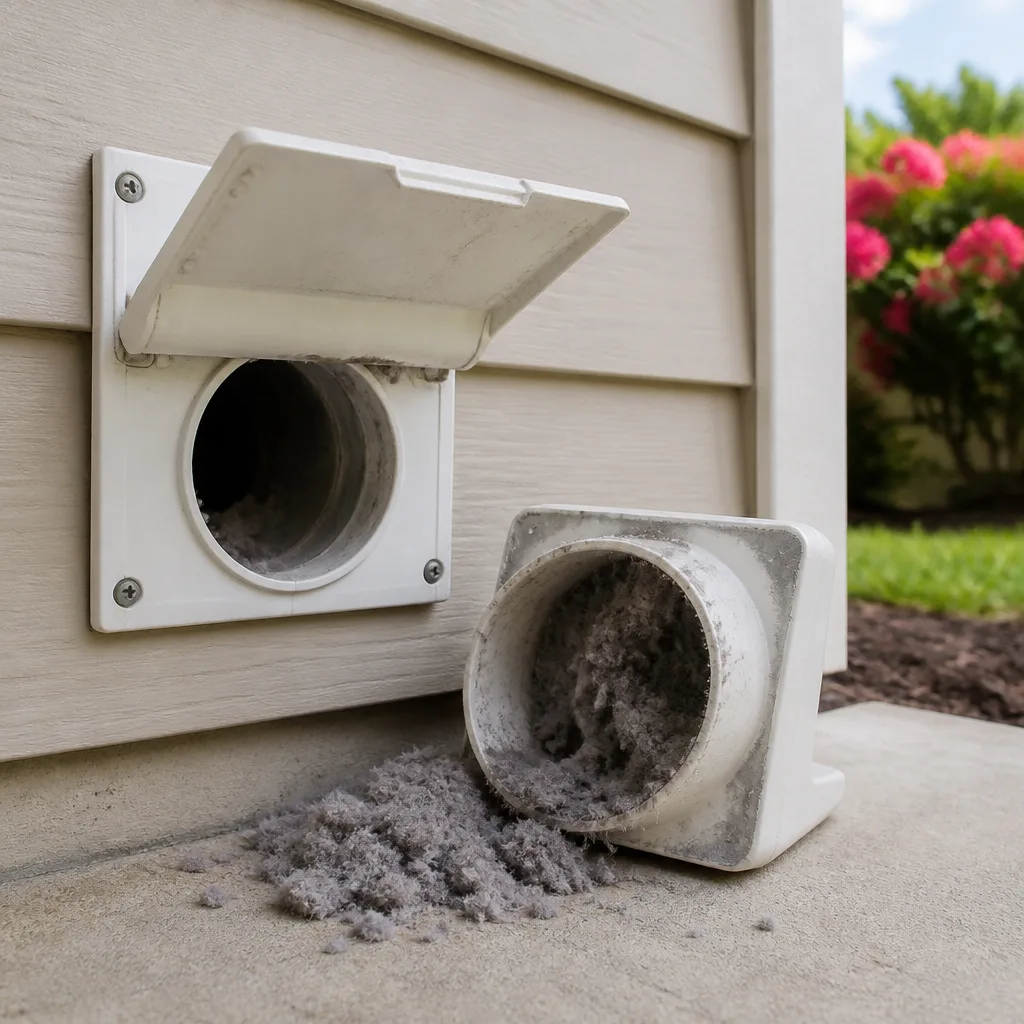 Dryer vent cleaning
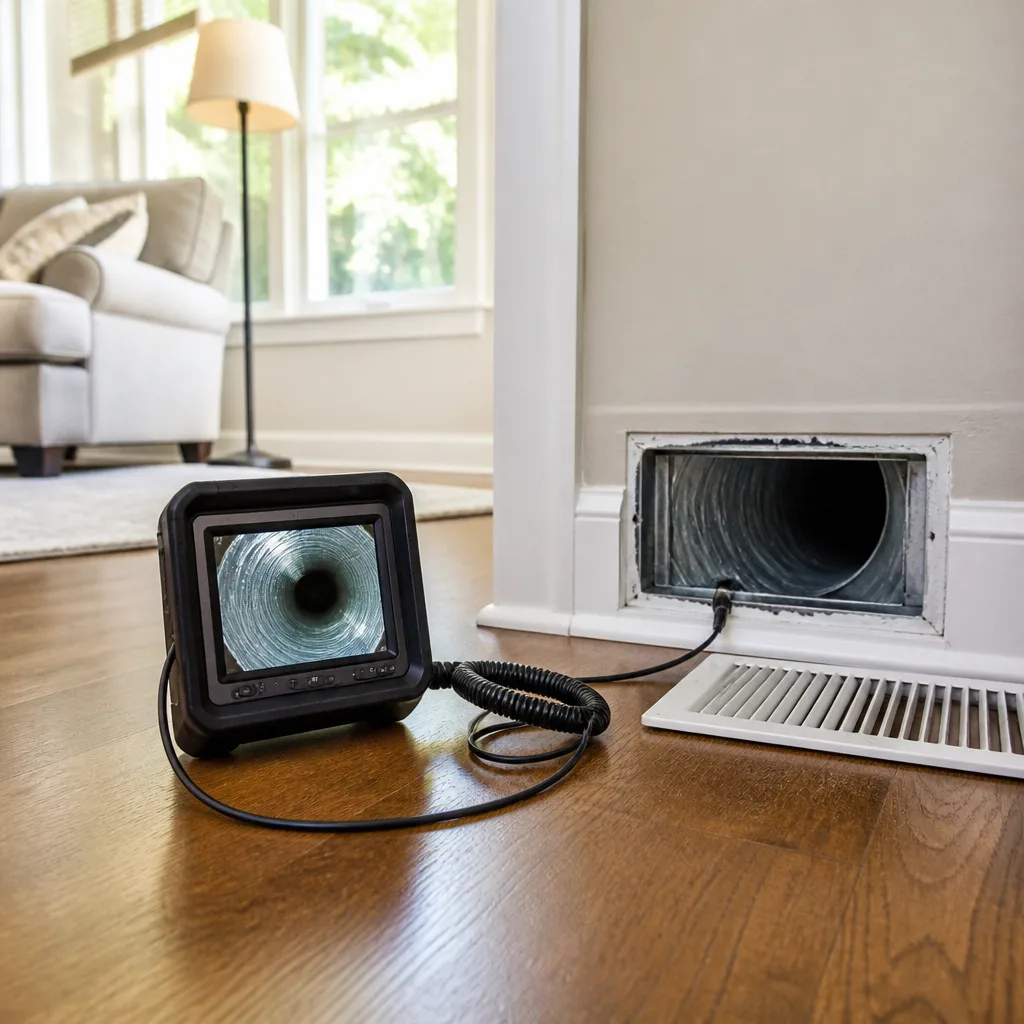 Camera inspection
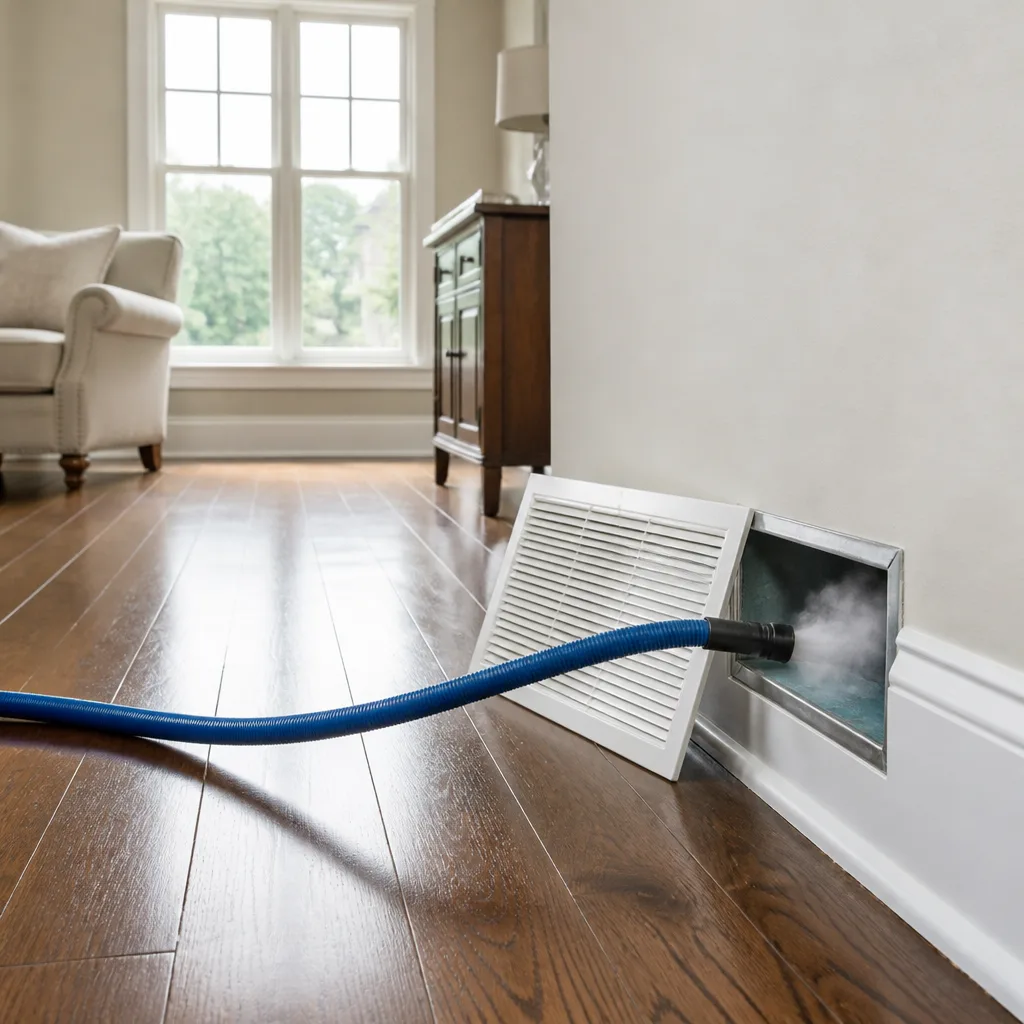 Sanitizing & deodorizing
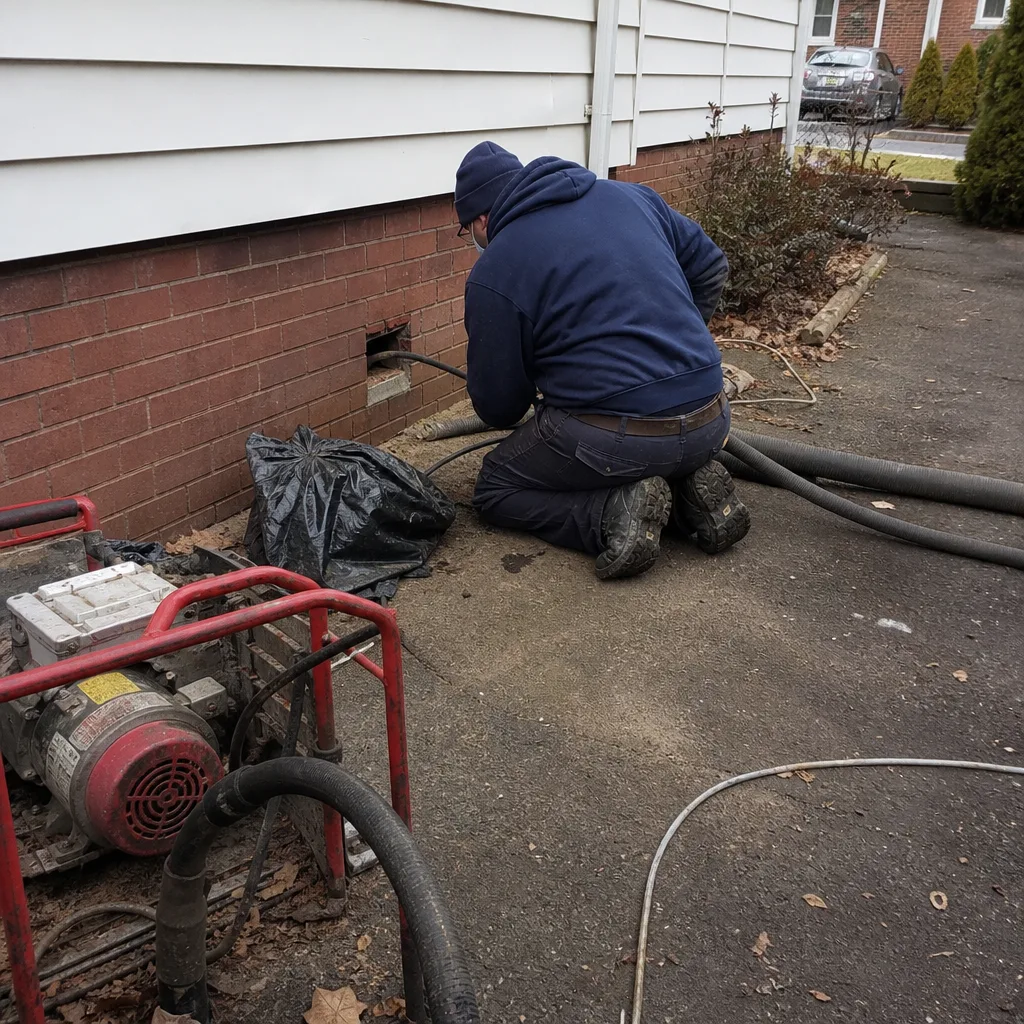
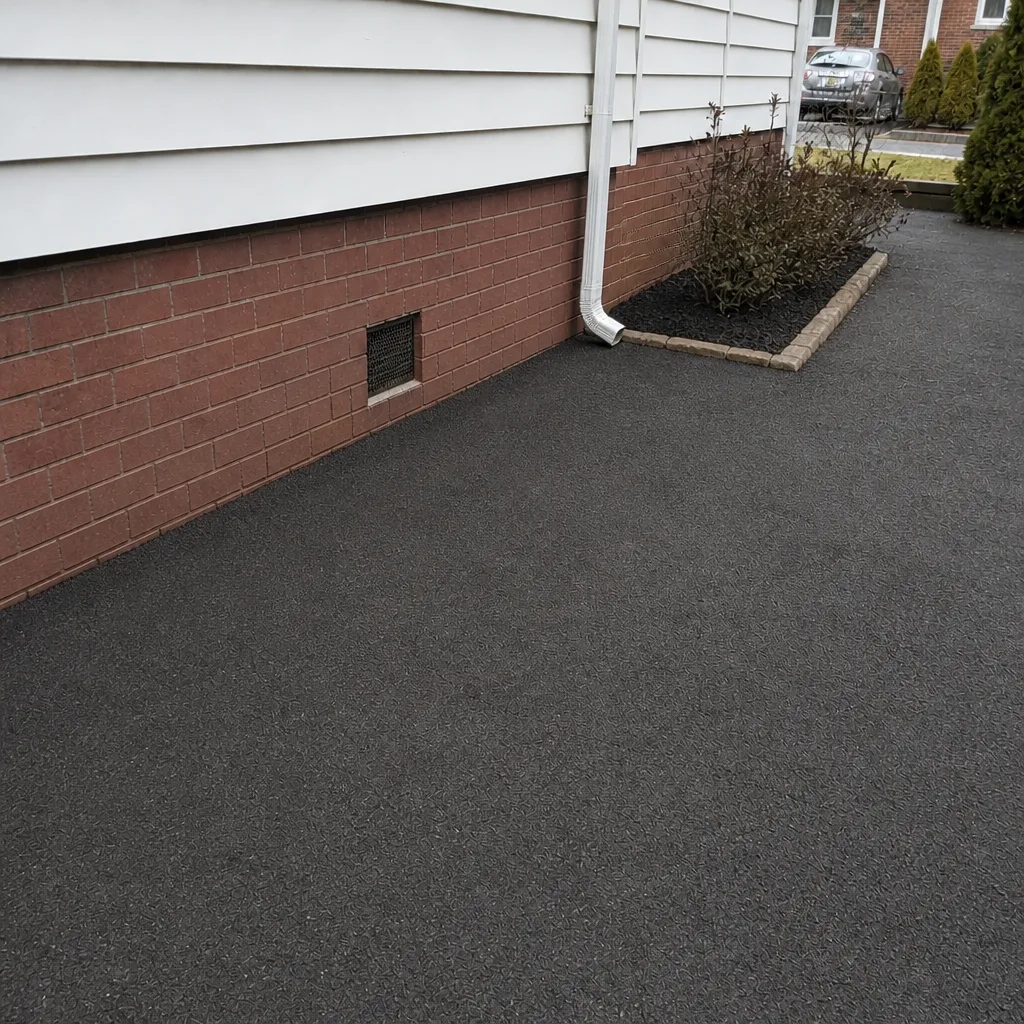
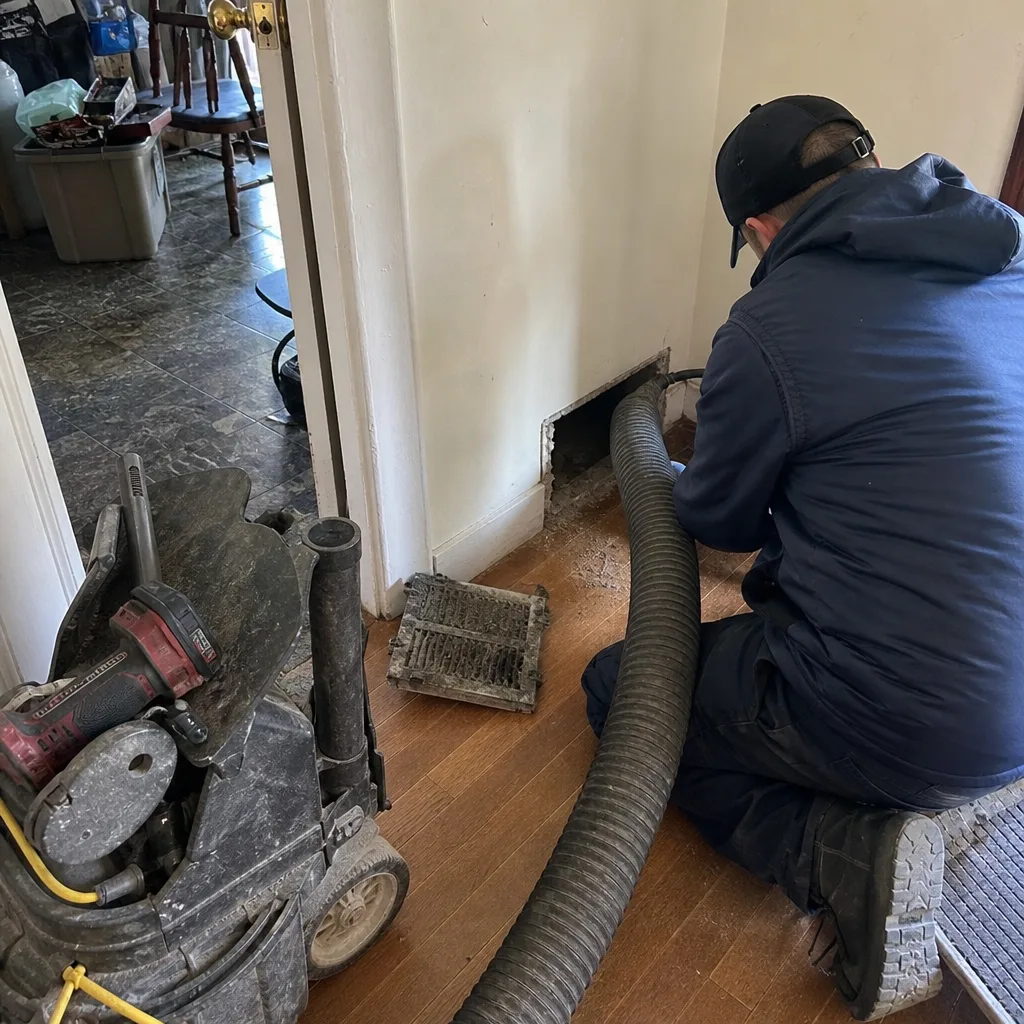
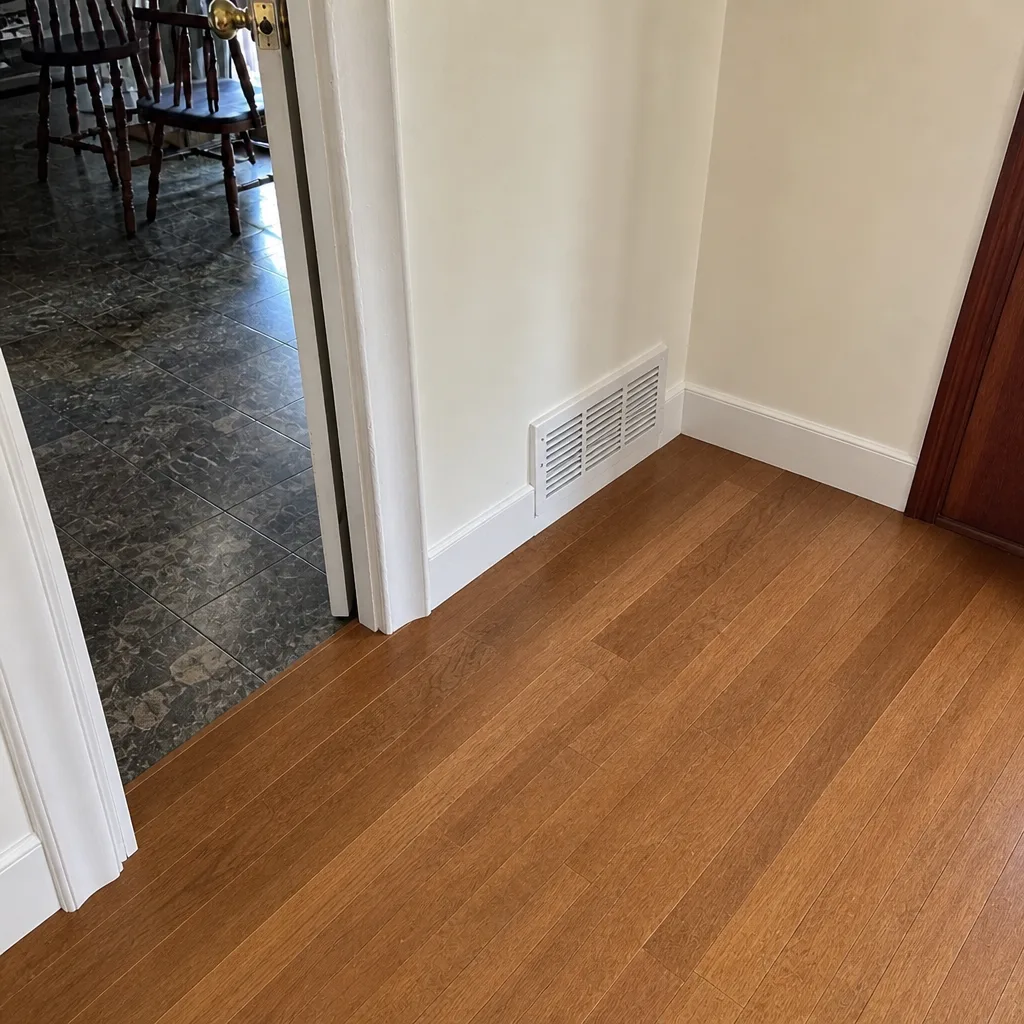
Whole-system duct and dryer vent check with before-and-after photos - you see exactly what came out of your vents
That "$99 whole-house special" is a bait ad - the real number appears once they are in your hallway, or the "clean" is a shop-vac at the register. We photograph the inside of your ducts before and after instead.
DIY vs Professional Air Duct Cleaning: The Parkchester Homeowner’s Decision Guide
A shop vac and a dryer duct brush can clean the first 18 inches of a supply register. Past that point, without negative pressure holding debris in suspension and mechanical agitation breaking it loose, you aren’t cleaning the duct system, you’re pushing settled material deeper into the trunk lines where it will re-circulate into your living room the next time the blower kicks on. That distinction, equipment capability rather than homeowner skill, is what this guide is built around. We’ll walk through the mechanical thresholds consumer tools can’t cross, the narrow slice of work you can legitimately handle yourself, and how Parkchester homes in particular punish a DIY attempt that goes wrong.
Quick Answer
DIY air duct cleaning is only appropriate for surface work you can physically reach and see: register faceplates, return grilles, filter swaps, and visual inspection of exposed flex duct in a basement or closet. Anything beyond the register opening, especially the main trunk runs and the interior of branch lines, requires contractor-grade negative-pressure extraction and rotary agitation to remove debris instead of relocating it. For most Parkchester homes, professional cleaning is the practical choice whenever the ducts have gone years without service, whenever anyone in the household has allergies or asthma, or whenever debris is visibly collecting at the registers.
Styles & brands we work with
- Whole-home duct cleaning
- Dryer vent cleaning
- Camera inspection
- Sanitizing & deodorizing
Table of Contents
- The Equipment Gap: Why a Shop Vac Can’t Clean Ductwork
- What Parkchester Homeowners Can Legitimately Do Themselves
- Where DIY Attempts Make Things Worse in Parkchester Homes
- The Honest Cost Comparison: DIY Supplies vs. Professional Work
- How a Professional Cleaning Actually Works, Step by Step
- Using DIY Maintenance Between Professional Cleanings
- The Repair and Sealing Gap Nobody Talks About
- Dryer Vent Cleaning: The One Job You Should Never DIY
The Equipment Gap: Why a Shop Vac Can’t Clean Ductwork
The real dividing line between DIY and professional isn’t effort or willingness. It’s air movement. A typical wet/dry shop vac moves somewhere in the range of 100 to 200 cubic feet per minute (CFM) at relatively low static pressure, and that number collapses the moment you attach a hose to a run of rigid duct 20 feet long. A Nikro HEPA-rated vacuum or a truck-mounted extraction unit is engineered to hold strong negative pressure across a long hose run while simultaneously sealing the register so the debris has nowhere to go but into the filter. That’s the gap. One system moves air; the other moves debris.
Agitation is the second half of the equation. Dust and lint inside ductwork bond to the metal through a mix of moisture, static, and time. Suction alone will pull loose particles from the surface but leave the bonded layer behind. That layer is exactly what a Rotobrush rotary brush is designed to break loose: a spinning whip or brush head driven through the duct at speed, knocking material free while the vacuum captures it at the register. Consumer-grade brushes that fit on a drill or a hand-crank cable spin far slower and apply far less torque. They loosen the top layer and pack the rest against the duct wall.
The Number That Matters: Static Pressure, Not Suction Rating
Manufacturers advertise shop vacs in peak horsepower or inches of water lift. Real duct cleaning depends on sustained static pressure through a long hose. Once you add 25 feet of corrugated hose and a few elbows, most portable units lose so much pressure that the airflow at the register tip is comparable to a hair dryer. That’s the mechanical reality that turns a DIY attempt into redistribution. If you’re not pulling 300 CFM or more of filtered air through the system while you agitate, you aren’t cleaning, you’re stirring.
Why HEPA Filtration Isn’t Optional
A shop vac without HEPA-rated filtration exhausts the fine particulate back into the room you’re trying to clean. That’s a particular problem in Parkchester apartments and pre-war buildings where air handling units sit in tight closets or bathrooms with little ventilation. A Nikro HEPA system captures the material at the source so it can be bagged and removed, not re-aerosolized into the living space. This is the piece most DIY plans skip and the piece that makes DIY an indoor air quality downgrade on contaminated systems.
What Parkchester Homeowners Can Legitimately Do Themselves
There is a real DIY scope, and it’s defined by what you can reach with a rag and see with a flashlight. No technique, however careful, will clean what you can’t get a tool into. That’s the honest boundary. Everything within it is fair game and worth doing between professional visits. Everything past it becomes a redistribution exercise.
What’s Fair Game
- Register faceplates and return grilles. Pull the grille, wash it in the sink with a degreaser, dry it fully, and reinstall. In Parkchester apartments with painted-over grilles, this alone cuts a visible layer of dust in the room.
- Filter replacement. Swap your HVAC filter on the schedule your filter’s MERV rating calls for. A clogged filter starves the blower and pushes dust back through the return.
- Visual inspection of exposed flex duct. In basements, closets, and utility rooms, look for crushed sections, disconnected collars, and torn outer jacket. Note anything that looks wrong so a professional can assess it.
- Exterior register vacuuming. With your HVAC off, run a shop vac over the face of each supply register to pull the loose surface layer before you remove the grille.
- Coil and drain pan wipe-down on an accessible air handler, if you know where the access panel is and the unit is off at the breaker.
What’s Not
- Anything past the first few inches inside a branch line.
- Any work inside rigid metal trunk runs.
- Disconnecting duct sections to insert a tool.
- Chemical fogging or sanitizing.
- Rodent or pest contamination remediation.
- Dryer vent interiors past the first bend.
If you’re unsure whether your filter choice is right for a Parkchester unit, a professional HVAC cleaning visit is the moment to ask. A technician can tell you what MERV rating your system can actually handle without starving airflow.
Where DIY Attempts Make Things Worse in Parkchester Homes
Parkchester is not a suburban build. Much of the housing stock is pre-war co-op and rental construction with long, horizontal trunk runs and a mix of galvanized sheet metal and retrofit flex duct. Those characteristics create specific failure modes when a homeowner attempts a deep clean with consumer tools. We’ve seen each of these more than once.
1. Punctured Flex Duct
Flex duct is a spiral wire core wrapped in a thin plastic jacket and a layer of insulation. A rotary brush or spinning cable pushed through a corner will puncture it in seconds. Once the jacket is punctured, the duct leaks conditioned air into a wall cavity and pulls unfiltered air back into the system. A small hole becomes a permanent filter bypass. This is one of the most common outcomes we find after a frustrated DIY attempt on Parkchester retrofit ductwork.
2. Dislodged Interior Insulation Facing
Rigid duct lined with fiberglass insulation has a facing that glues to the metal. A brush at the wrong angle or a shop vac nozzle dragged across it will tear the facing. Once it’s torn, loose fiberglass ends up in the airstream. Nobody wants that drifting into a bedroom. If the lining has been disturbed, the duct often needs to be re-lined or replaced, which is a much larger job than a cleaning.
3. Disturbed Debris in Long Horizontal Trunks
Parkchester’s pre-war trunk runs can be 30 to 40 feet long, running horizontally through ceilings or floor cavities. Debris settles along the bottom of these runs over years. When a homeowner agitates the first 6 feet without adequate vacuum capture, that debris lifts and migrates downstream to the farther registers where it re-settles. You’ve moved the problem, not removed it. The registers at the ends of the run will blow dust into the rooms within a week.
4. Disturbed Asbestos-Containing Materials in Older Duct Seams
Some pre-war ductwork used asbestos-containing tape or sealant at the joints. A homeowner who doesn’t know what they’re looking at and starts scraping seam material is creating a genuine hazard. If you don’t know what a joint is wrapped with, leave it alone and call a professional.
The Honest Cost Comparison: DIY Supplies vs. Professional Work
The cost math is where most DIY guides cheat. They compare the price of a shop vac against a full professional job, ignore the risk of damage, and call it a win. A fair comparison has to include the supplies you actually need, the odds of damaging something, and the cost of the repair if you do. For an honest look at professional pricing in this market, see air duct cleaning.
What a DIY Attempt Actually Costs
- Shop vac with a HEPA cartridge filter: $120 to $300
- Rotary duct brush kit (consumer grade, drill-driven): $40 to $90
- Extra flexible hose and adapters: $30 to $60
- Replacement filters, degreaser, microfiber cloths, painter’s tape: $30 to $50
- Rental of a stronger HEPA unit, if you go that route: roughly $60 to $120 per day
- Respirator suitable for fine particulate: $40 to $80
Total supply investment, before any damage: $320 to $700. That’s the real entry point for a DIY attempt that would have a hope of doing more good than harm.
What Professional Work Costs
Professional work is priced per system, based on how many branch runs the home has, how accessible the plenum is, and whether the duct is rigid metal, flex, or lined. Typical residential pricing in the Parkchester market runs in the low-to-mid hundreds for a straightforward apartment system and up into the several hundreds for a larger multi-bedroom co-op with several runs. The exact number depends on what the technician finds when they get eyes on the ductwork, which is why a written estimate should always come before work starts. You should not be quoted per vent. Per-vent pricing is where bait-and-switch begins.
The Real Comparison
- DIY wins when the job is genuinely light (a filter change and register wash) and the ducts were cleaned professionally within the last two to three years.
- Professional wins almost always when the ducts haven’t been serviced, when contamination is visible, or when the system has flex duct that is easily damaged.
- The damage cost matters. A punctured flex run can mean $150 to $400 to replace just that run, and that’s assuming it’s accessible. That single repair wipes out any savings from DIY.
How a Professional Cleaning Actually Works, Step by Step
Understanding the sequence helps you evaluate any company you hire, and it helps you decide whether the job you’re considering is even a duct cleaning or just a surface wipe-down. Here’s the ordinary sequence a proper job follows, using the equipment we run.
- Walkthrough and register count. The technician counts supply and return registers, checks the air handler location, and looks at the duct type on each run. This determines what equipment configuration is needed.
- HVAC system set to run continuously. The blower runs during cleaning so that agitation and vacuum work together to move and capture debris, rather than let it settle.
- Negative pressure applied at the main trunk or plenum. A Nikro HEPA-rated vacuum or a truck-mounted extraction line is connected to the plenum or main trunk, sealing it off and pulling continuous vacuum the entire time technicians work in the branch runs.
- Rotary brush and air whip agitation at each register. A Rotobrush rotary brush goes into each branch, agitating bonded dust, lint, and insulation fibers. The negative pressure at the trunk captures what loosens.
- Register and plenum wipe-down. Every register face and accessible plenum surface is wiped clean, because the surface dust re-enters the airstream first.
- Sanitizing pass, if recommended. Depending on what the technician finds, a sanitizing fog using Guardsman or Abatement Technologies products is applied to control microbial growth and odor. This is a specific add-on step, not a default.
- Airflow verified at each register. A technician confirms airflow at every supply and return, checks for leaks at the plenum, and notes any runs that need repair or re-sealing.
The clean-it-and-leave-it crowd skips steps 3 and 4 or fakes them. That’s the difference between a real cleaning and a register wipe. Ask any company you quote what vacuum they run and whether they use rotary agitation. A vague answer is your answer.
Using DIY Maintenance Between Professional Cleanings
The right way to think about DIY is as maintenance, not substitution. A professional system cleaning removes the accumulated layer. What you do between cleanings determines how fast the layer comes back. For a Parkchester apartment with three or four registers, the maintenance routine is short and cheap and pays back in airflow and filter life.
The Between-Cleaning Routine
- Change or clean your filter on schedule. A clogged filter forces the blower to work against elevated static pressure and pushes dust backward through the return. Follow the filter manufacturer’s interval, and shorten it during heating season.
- Wash register faceplates monthly. Pull them, wash them, dry them, reinstall. This is the highest-payoff DIY task there is.
- Vacuum the return grille every two weeks. With the HVAC off, run the upholstery tool across the return grille to stop the surface layer from building up.
- Inspect flex duct runs seasonally. In a Parkchester co-op with ductwork in closets or drop ceilings, look for crushed sections and disconnected collars. Note anything wrong.
- Look for water intrusion at the plenum. Moisture is what turns dust into bonded crud. If you see rust or staining, call a professional to inspect before it becomes a microbial problem.
- Note the day the ductwork was last professionally cleaned. Put a note on the air handler. Future-you will thank present-you.
Between visits, this routine plus a MERV-appropriate filter keeps debris accumulation slow. Honeywell and Aprilaire filters are what we typically recommend because they’re widely available and their MERV ratings are clearly labeled. A professional can confirm the highest MERV rating your blower can handle without starving airflow, which is the number most homeowners get wrong.
The Repair and Sealing Gap Nobody Talks About
Here’s the trap that cleaning alone can’t solve. If your ductwork leaks, cleaning is temporary. Leaky ducts pull unfiltered air from wall cavities, basements, and attics back into the system, and that air carries exactly the dust and particulate you just paid to remove. Cleaning without sealing is refilling a bucket with a hole in it. We flag this because most cleaning-only outfits will clean and leave, and the homeowner calls them back in two years for another cleaning that fixes the symptom, not the cause.
Duct repair and sealing closes the gap. A technician locates disconnected collars, crushed runs, torn flex jackets, and leaking plenum joints, then seals them with mastic, foil tape rated for duct use, or proper mechanical fastening. Verification follows: a static-pressure check across the system and a walk-through to confirm airflow at every register. Repairing first, then cleaning, then sanitizing, is the sequence that actually removes the load from the system instead of paying to move it around. If your Parkchester building has a shared plenum or a mixed retrofit layout, the sealing conversation is worth having before you commit to a cleaning.
Dryer Vent Cleaning: The One Job You Should Never DIY
Dryer vent cleaning is the one duct in your home where DIY carries real risk. It’s a leading household fire cause, and the fires happen because lint accumulates inside the vent run where a homeowner can’t see or effectively reach it. A drill-driven brush run through a dryer vent can dislodge a blockage that then sits mid-run, or damage the flexible transition behind the dryer. Beyond that, the only real way to verify a vent is clear is to measure airflow at the exterior termination point, which most homeowners can’t safely do if the vent exits at height. See dryer vent cleaning for the details of a proper job. If your dryer takes longer than one cycle to dry a load, or the exterior flapper doesn’t move when the dryer runs, treat it as a safety item to fix, not a maintenance item to schedule later.
Common Mistakes to Avoid
- Assuming a shop vac “counts” as duct cleaning. It doesn’t move enough air through a long run. It moves surface dust from one register to the next.
- Buying a bargain per-vent cleaning. A very low per-vent quote is bait. Once the technician is on site you’ll be told the ducts need this, that, and the other, and the invoice will be triple what was quoted. Ask for a flat per-system price before anyone arrives.
- Cleaning without checking for leaks first. In Parkchester’s older buildings, a leaking plenum or disconnected collar means you’re cleaning ducts that will re-contaminate within weeks. Seal before or alongside cleaning.
- Ignoring the return side. Most DIY plans focus on supply registers and forget the return pulls airborne dust back through the system. Both sides need attention.
- Running a brush into flex duct without knowing the corner radius. A single tear turns a $100 service into a $300 repair. Always verify duct type before any tool goes in.
- Skipping the dryer vent. It’s the duct assembly with the highest risk in the home, and the one most often left off the to-do list.
- Not asking for before-and-after photos. Any legitimate cleaning job includes photos of the ductwork before and after. No photos means you have no proof the work happened.
See the difference
 Before
 After
 Before
 After
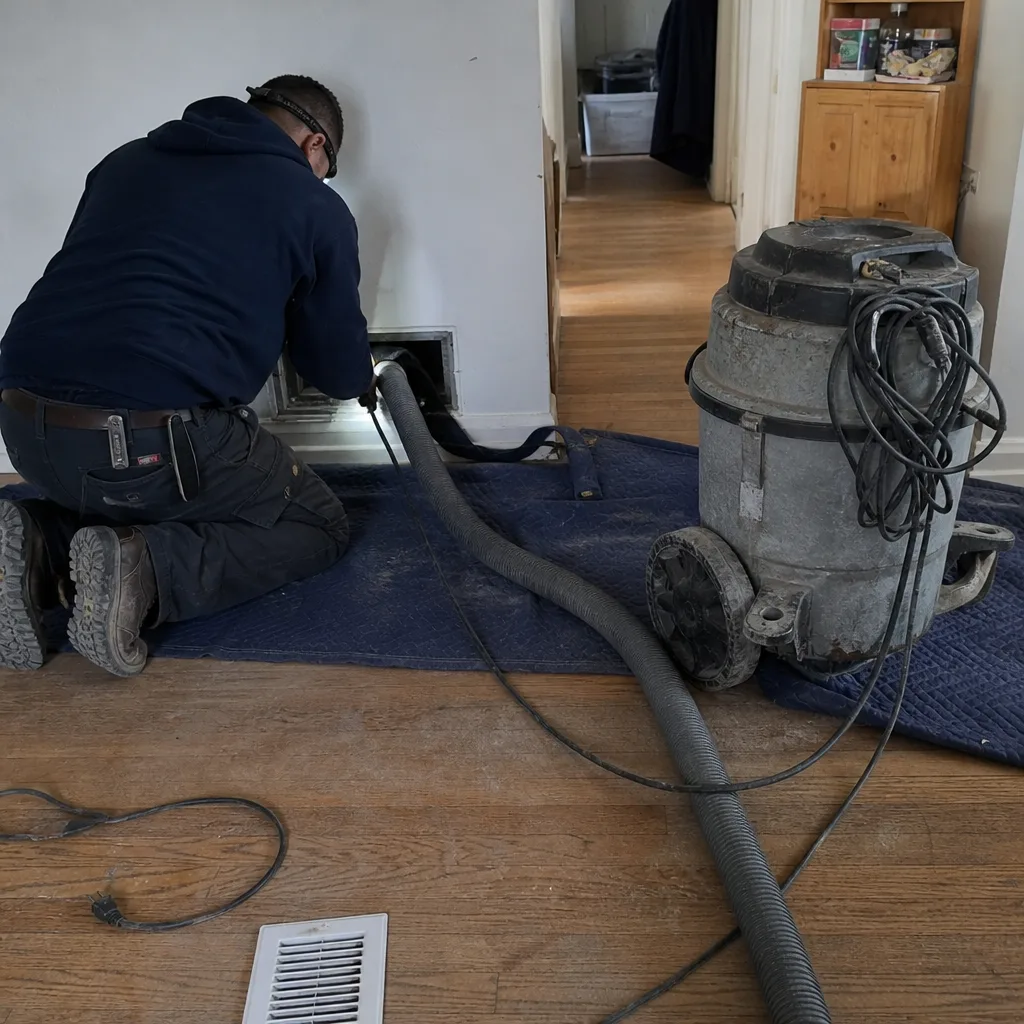 Before
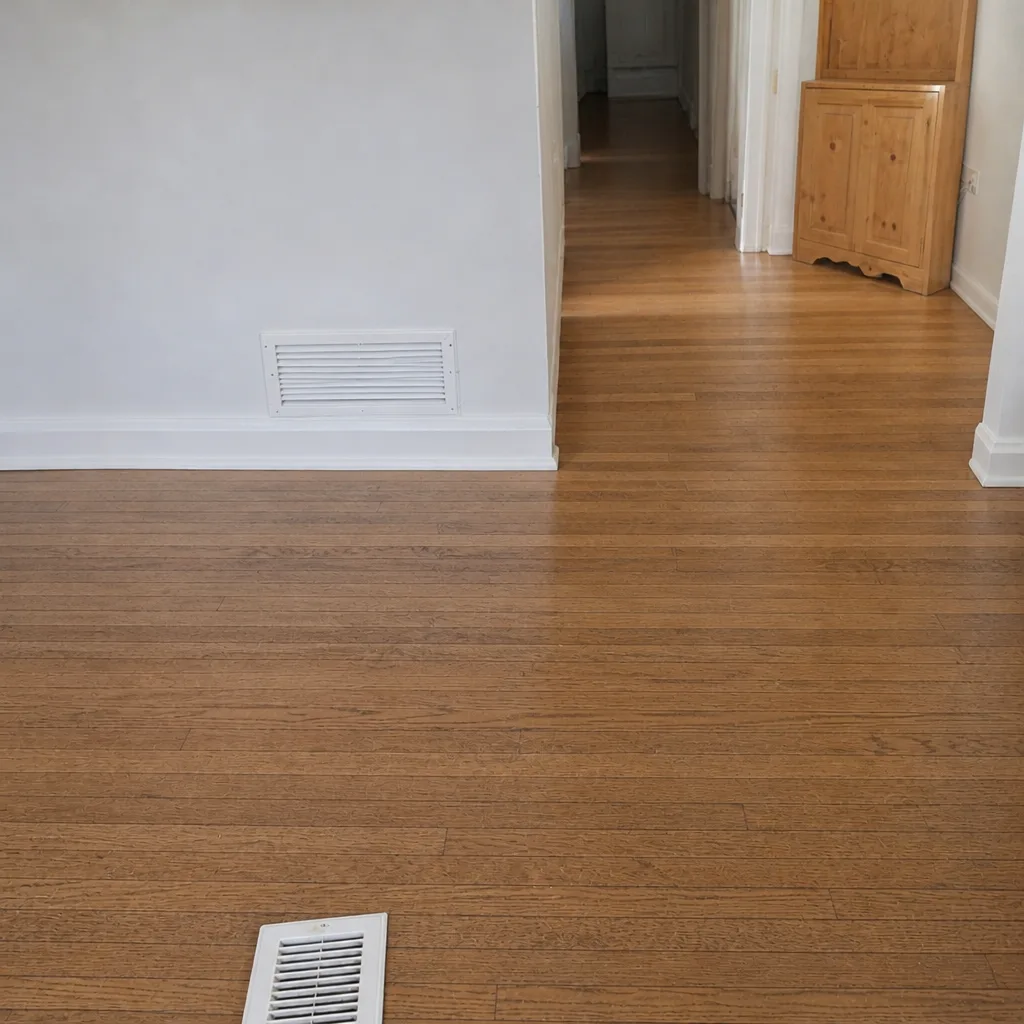 After
When to Call a Professional
Call a professional when any of the following is true. First, the ducts haven’t been cleaned within the last two to three years. Second, anyone in the home has asthma, seasonal allergies, or an immune condition. Third, you can see dust plumes rising from registers when the system kicks on. Fourth, the ducts have visible rodent or pest activity. Fifth, flex duct is crushed or disconnected anywhere you can see. Sixth, your dryer vent hasn’t been cleaned and the dryer runs hot or takes longer than one cycle. Seventh, a home inspection has flagged ductwork issues. Air Duct Cleaning Parkchester offers free estimates in Parkchester. Call (855) 475-2006. We answer 24/7. Fast dispatch from 7am to 7pm, Sunday through Friday.
Frequently Asked Questions
You can clean the register faceplates and the first few inches of each supply with a shop vac, but you can’t clean the duct system itself. Shop vacs don’t generate enough sustained static pressure through a long hose to remove settled debris, and without rotary agitation the bonded layer inside the ducts stays put. Attempting deep cleaning with consumer tools typically redistributes debris farther into the system rather than removing it. Call (855) 475-2006 for a free estimate from a company that uses contractor-grade equipment.
Typical residential pricing in the Parkchester market falls in the low-to-mid hundreds for a straightforward apartment system and into the several hundreds for a larger co-op or rental unit with multiple runs. The exact number depends on duct type, accessibility, and condition, which is why any quote given over the phone without seeing the system is a guess. A written per-system estimate should always come before work starts. Call (855) 475-2006 for a free estimate.
A very low quote usually means one of three things: per-vent pricing that grows once the technician sees the job, a register wipe-down being sold as duct cleaning, or no contamination removal at the trunk and plenum. Real cleaning involves a HEPA-rated vacuum, rotary agitation at every branch, and verification at every register, and those take equipment and time. Cheap is cheap because something is being left out. Call (855) 475-2006 for a written, flat per-system quote.
Ask for before-and-after photos of your own ducts at the plenum and at the branch runs. Any legitimate service takes them, and the photos should show the inside of the duct system, not just the outside of the registers. A technician should also verify airflow at each register after cleaning and walk you through anything flagged for repair. If a company won’t show you photos, that’s the answer. Call (855) 475-2006 for a job with photo documentation.
Every two to three years for most households, and more frequently if you have pets, allergies, or a smoker in the home, or if you live in a Parkchester pre-war building where ductwork pulls air through shared wall cavities. Duct cleaning is not an annual service for a typical apartment; treating it as one is a sales pitch, not a maintenance plan. If it’s been more than three years, call (855) 475-2006 for an inspection and estimate.
Yes, in three specific ways: punctured flex duct, torn interior insulation facing, and disturbed settled debris in long horizontal trunk runs. Any of these can turn a mild cleaning job into a repair, and in older Parkchester buildings with mixed duct types, the risk is higher because the homeowner often can’t tell what they’re working on. When in doubt, don’t put a spinning tool in a duct. Call (855) 475-2006 for a free estimate.
The Bottom Line
The DIY-versus-professional question comes down to equipment, not effort. A shop vac and hand brush can clean register faceplates, swap filters, and do a visual inspection of exposed duct, and those tasks are worth doing yourself on a maintenance schedule between professional cleanings. Everything past the register opening requires the negative pressure and rotary agitation of contractor-grade equipment like Rotobrush and Nikro to actually remove debris rather than redistribute it. Parkchester homes, with their long horizontal trunk runs and retrofit flex duct, are especially unforgiving of DIY attempts that go past the safe scope. When the ducts haven’t been serviced in years, when anyone in the home has breathing issues, or when the dryer vent is overdue, professional work pays back in airflow, air quality, and avoiding a repair bill. If you’re ready to skip the guesswork, call (855) 475-2006 for a free estimate. We answer 24/7. Fast dispatch from 7am to 7pm, Sunday through Friday. You can read more about our full Air Duct Cleaning Parkchester services and how we handle the clean-it, seal-it, sanitize-it sequence on contaminated systems.
Written by the team at Air Duct Cleaning Parkchester.