
Last updated November 25, 2026
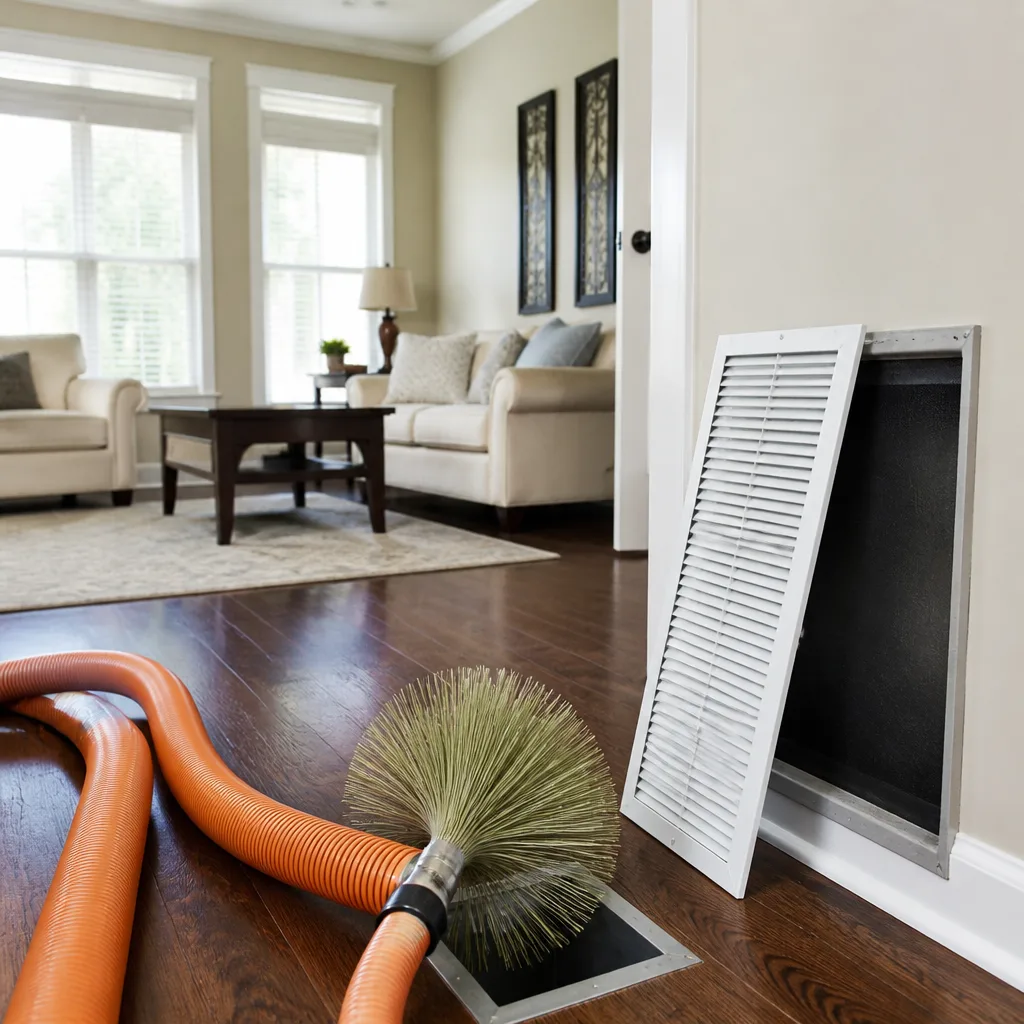 Whole-home duct cleaning
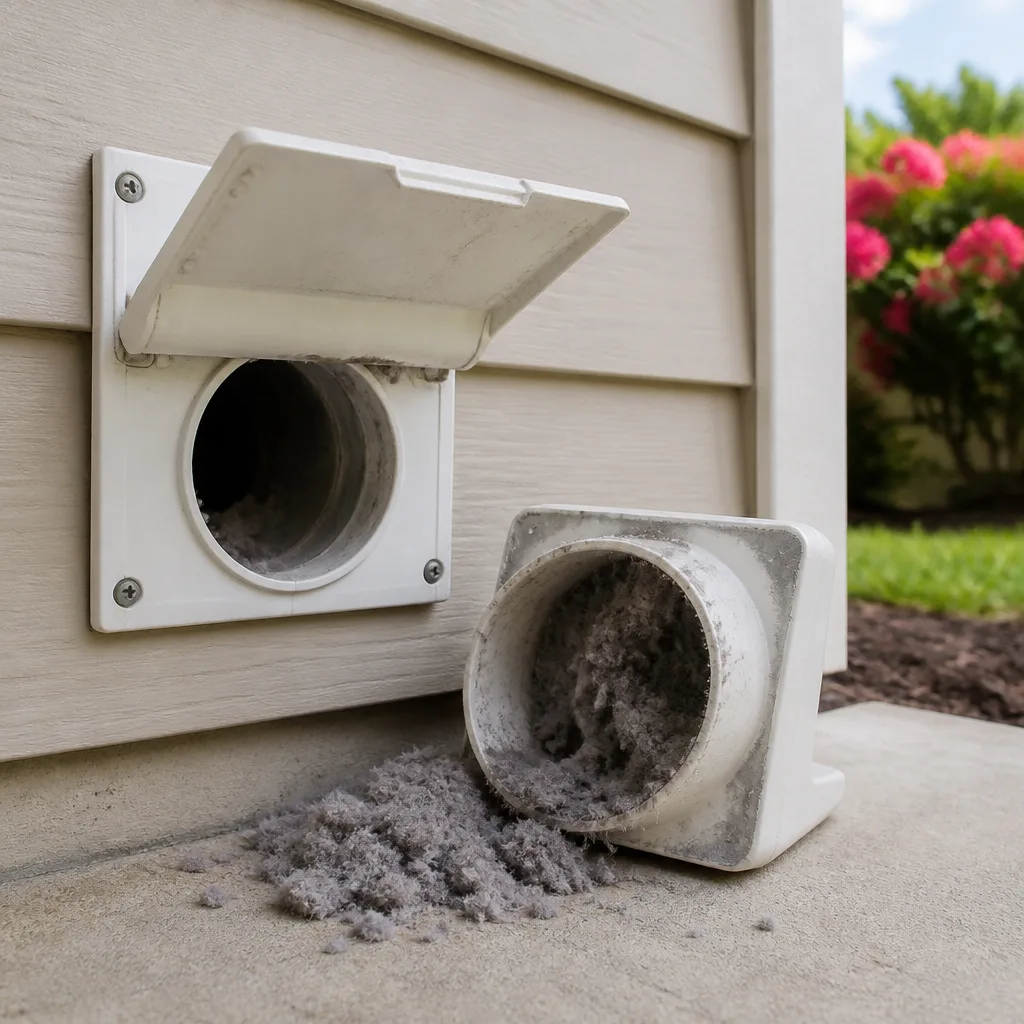 Dryer vent cleaning
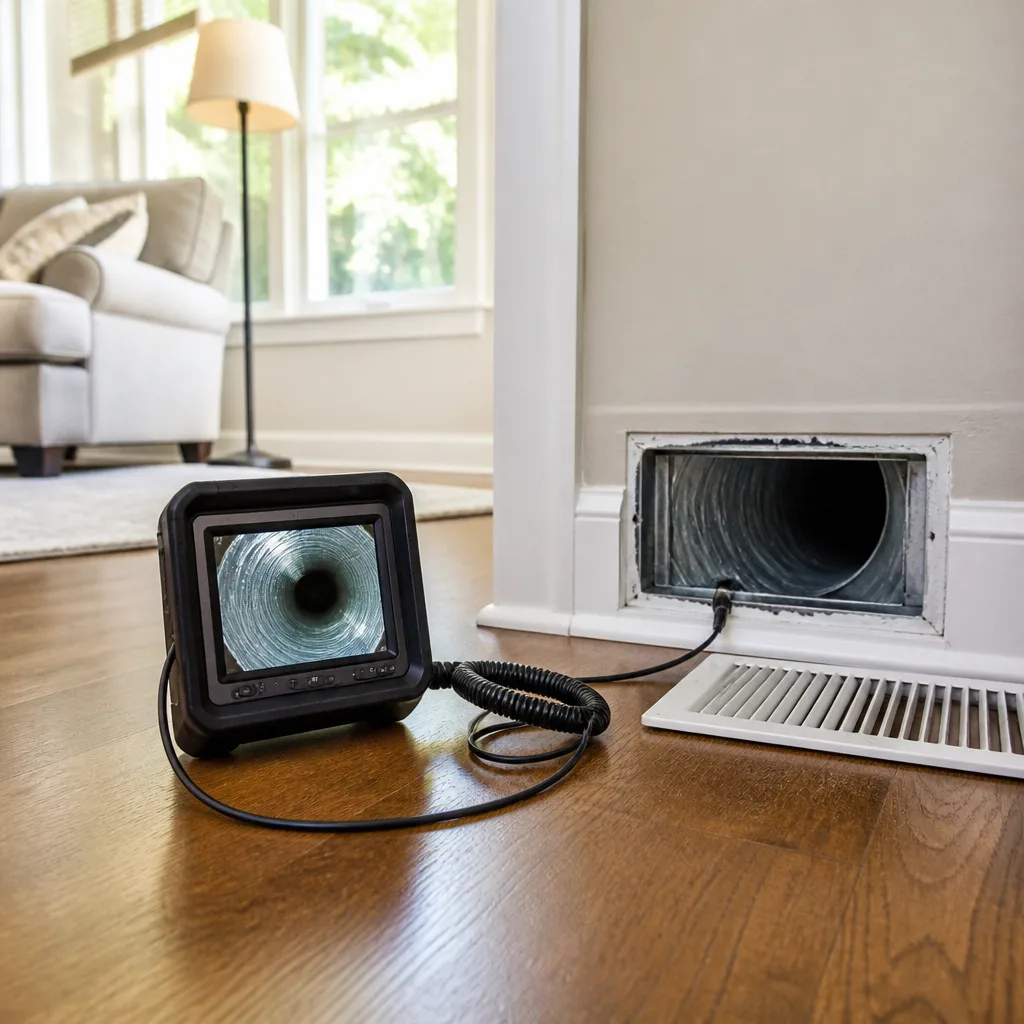 Camera inspection
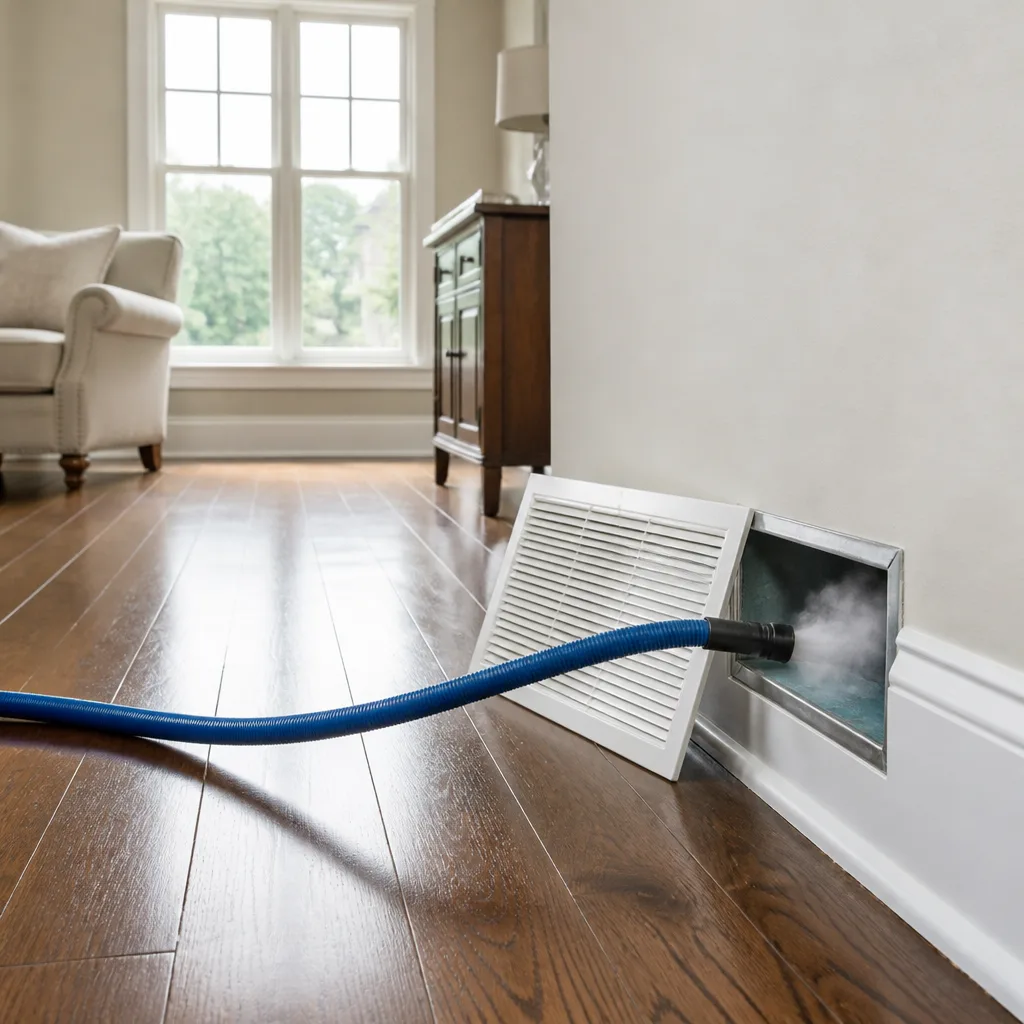 Sanitizing & deodorizing
Whole-system duct and dryer vent check with before-and-after photos - you see exactly what came out of your vents
That "$99 whole-house special" is a bait ad - the real number appears once they are in your hallway, or the "clean" is a shop-vac at the register. We photograph the inside of your ducts before and after instead.
Seasonal Air Duct Cleaning Care for Parkchester: Year-Round Homeowner’s Guide
Most homeowners treat duct cleaning as a box to check every few years, whenever the thought crosses their mind. That schedule misses the two moments each year when contamination in a forced-air system gets worse fastest: the switch from heating to cooling, and the switch back. Spring isn’t a good time to clean ducts because it feels like a fresh start. It’s when a system that’s been in heating mode since fall starts pushing months of accumulated dust, combustion byproducts, and settled debris through supply registers into living spaces for the first time in months. This guide walks through what each season actually asks of your ductwork in Parkchester, from the first cooling run of spring through the humid July stretch to the pre-heat checks of fall, and how to time professional work around those transitions instead of guessing at calendar years.
Quick Answer
In Parkchester, the most valuable time to clean air ducts is right before the system switches modes: late winter to early spring, before the first cooling run, and early fall, before the heat comes on. Those two transition points are when a season’s worth of settled debris, moisture, and pest intrusion gets pushed into your living space at once. A cleaning scheduled around your system’s mechanical changeovers does more for indoor air quality than one timed to an arbitrary “every three to five years” rule.
Styles & brands we work with
- Whole-home duct cleaning
- Dryer vent cleaning
- Camera inspection
- Sanitizing & deodorizing
Table of Contents
- Spring: The First Cooling Run Is the Highest-Contamination Event of the Year
- Summer: Moisture Management in Parkchester’s Humid Stretch
- Fall: Pre-Heat Checks for Pest Intrusion and Settled Debris
- Winter: Filter Monitoring and Register Inspection Only
- How to Match Professional Cleaning to Seasonal Transitions
- What Contractor-Grade Equipment Actually Does Differently
- The Dryer Vent Doesn’t Follow the HVAC Calendar
- Common Mistakes to Avoid
Spring: The First Cooling Run Is the Highest-Contamination Event of the Year
Here’s the mechanical reality behind spring cleaning advice. Through the heating months, your ductwork is a warm, dry channel. Warm air holds moisture well, so the interior of the ducts stays relatively free of condensation. Dust and debris still accumulate, but they settle and stay put. Then the season flips. The system switches to cooling, the air moving through the ducts is suddenly cold, and any moisture that was suspended in the warm air condenses on cooler duct surfaces. That’s the moment accumulated particulate gets re-entrained and blown out of supply registers, along with the fine dust that settled on duct walls over the winter.
In Parkchester’s prewar and mid-century apartment buildings and rowhouses, this effect is amplified. Many of these buildings have duct runs that were sized for the original heating system and then repurposed or extended when central air was added. Longer runs, more elbows, more places for debris to collect. When the first cooling cycle starts, all of it becomes airborne at once.
What to do before that first cooling run:
- Replace the air filter before the system’s first cooling cycle, not after. A filter loaded with winter dust restricts airflow exactly when the system needs full volume.
- Walk the supply registers and note any that push noticeably weaker air than the others. Uneven flow before cooling season usually points to a blockage or a disconnected run.
- Look for visible dust trails around register grilles and any dark streaking on ceilings near supply vents. Both are signs of positive-pressure leakage at the register boot.
- Schedule a professional inspection if the ducts haven’t been opened in more than two heating seasons, or if anyone in the household has allergies or asthma that worsen in spring.
Spring is also the practical window when a full cleaning pays off most: the system is about to run constantly for months, so any contamination removed now stays out of the air you breathe all summer. That’s why we recommend scheduling air duct cleaning around this transition rather than mid-summer, when the system is already running and access is more disruptive.
Summer: Moisture Management in Parkchester’s Humid Stretch
July and August in Parkchester bring the kind of humid heat that turns an air conditioning system into a dehumidifier by default. The evaporator coil pulls moisture out of the air, and that moisture has to go somewhere. Most of it drains away through the condensate line. The rest collects in the drain pan and on coil surfaces. That’s normal. What isn’t normal is letting it sit.
A drain pan that stays wet through a humid summer becomes a growth medium. Coils that collect a film of dust mixed with condensation lose efficiency and start to harbor microbial growth. Neither problem shows up as a dramatic breakdown. It shows up as a musty smell when the system runs, higher electric bills, and allergy symptoms that don’t track with pollen season.
Summer checks that matter in Parkchester:
- Drain pan inspection. Look for standing water, rust, or a slimy film. A pan that isn’t draining freely needs attention before it overflows and damages the unit or the ceiling below.
- Condensate line flow. A slow or clogged drain line backs moisture up into the pan. If you see water where it shouldn’t be, stop and call.
- Coil condition. A visibly dirty coil on the indoor unit restricts airflow and cuts cooling capacity. Coil cleaning is part of HVAC cleaning, which handles the components beyond the ducts themselves.
- Register condensation. Sweating supply registers in humid weather can mean the ducts themselves are cold and under-insulated, or that airflow is too low to keep surfaces dry.
This is also the season when air quality and sanitizing work makes the most sense to pair with cleaning. Once the system is clean and dry, treating the interior surfaces for microbial growth and odor gives you a baseline you can maintain through the rest of the cooling season. Abatement Technologies filtration equipment and Guardsman sanitizing products are the tools we work with for that step, because particulate removal alone doesn’t address what’s already growing on a damp coil or pan.
Where summer goes wrong is when homeowners wait until something smells or the system stops cooling, then call for an emergency visit. That’s the most expensive way to handle a problem that a scheduled moisture inspection would have caught weeks earlier.
Fall: Pre-Heat Checks for Pest Intrusion and Settled Debris
The fall transition is the mirror image of spring, with one addition: the off-season months when the system sat mostly idle are when small animals find their way into ductwork. Mice and insects look for warm, sheltered spaces as outdoor temperatures drop, and a duct run with a loose joint, a disconnected boot, or an unsealed penetration is an open invitation. In older Parkchester buildings, where duct chases and wall cavities were built to different standards than today’s construction, those openings are more common than homeowners expect.
What to check before the heat comes on:
- Inspect accessible duct runs and register boots for gaps, loose connections, or chewed insulation. Insulation debris that settled during the off-season often ends up inside the duct, not just around it.
- Look for droppings, nesting material, or a musty animal odor near the furnace, air handler, or return grilles. Any of those means you need a professional inspection before running the system.
- Check return grilles for accumulated dust and debris that collected over the cooling season. A loaded return filter restricts airflow going into heating season.
- Confirm the duct system is sealed. Leaky ducts pull air from unconditioned spaces like attics and crawl spaces, and that air comes with whatever is living or growing there.
Fall is also when duct repair and sealing earns its place alongside cleaning. Cleaning a duct system that still leaks conditioned air is a short-lived fix: the leaks re-admit the same contaminants within weeks. Sealing the joints and boots first, then cleaning, gives you a result that holds. That’s the “clean it, seal it, sanitize it” sequence, and fall is the natural time to do it because the system is about to run continuously.
Winter: Filter Monitoring and Register Inspection Only
This is the part of seasonal duct care most guides get wrong. Full duct cleaning during active heating season is usually counterproductive, not because it’s harmful, but because the system is running constantly and access is disruptive. More importantly, the cleaning doesn’t address anything the season is actively causing. Winter is when you monitor, not when you tear into the system.
Winter tasks in Parkchester:
- Filter changes on schedule. During heating season, the filter loads faster than at any other time of year. Check it monthly and replace when it’s visibly grey or matted. A clogged filter is the single most common cause of reduced airflow and overheating in winter.
- Register inspection. Walk each supply register and confirm airflow is consistent. A register that’s suddenly weak in winter points to a damper, a blockage, or a duct problem that should be addressed before spring.
- Watch for dry-air complaints. Very dry indoor air in winter isn’t a duct problem, but it can indicate that your system would benefit from a humidity solution. Honeywell and Aprilaire equipment handles that side of indoor air quality, and pairing it with a clean, sealed duct system gives you a complete result.
- Note any new smells or sounds. A musty smell when the heat first comes on can be normal dust burning off, but a smell that persists past the first few cycles is a sign to schedule an inspection.
The winter work is light, and that’s the point. Save the heavy cleaning for the transitions, and use winter to keep the system running clean and catch problems early.
How to Match Professional Cleaning to Seasonal Transitions
Forget “every three to five years” as a default. That rule exists because it’s easy to remember, not because it tracks how contamination actually accumulates. The better schedule keys off your system’s mechanical transitions and your household’s specific load.
A transition-based schedule for a typical Parkchester home:
- Late winter, before the first cooling run. Full cleaning, filter replacement, and a duct-leak inspection. This is the highest-value cleaning of the year.
- Mid-summer. Moisture inspection: drain pan, condensate line, coil condition. Sanitizing if the system has been damp or if anyone in the house has allergies or asthma.
- Early fall, before the heat comes on. Pest and debris inspection, duct repair and sealing if leaks are found, then cleaning. Filter replacement.
- Winter. Monthly filter checks, register inspection, no full cleaning unless a problem surfaces.
The frequency compresses or stretches based on your situation. Homes with pets, smokers, recent renovation dust, or a family member with asthma usually need the two transition cleanings every year. A home with no pets, no allergies, and a well-sealed system might get by with the fall cleaning as the main event and a spring filter change. Duct systems that have never been sealed tend to need attention more often because they keep pulling in new contamination.
If a home inspection flagged your ductwork, don’t wait for a season. Get it looked at and get a written plan for repair, sealing, and cleaning in the right order. We offer Air Duct Cleaning Parkchester estimates that lay out exactly what the work involves before anything starts, with one flat price per system agreed before the job begins and before-and-after photos of your own ducts when the work is done.
What Contractor-Grade Equipment Actually Does Differently
The equipment behind a duct cleaning determines what actually comes out of the ducts, not just what looks cleaner afterward. Consumer-grade vacuums and shop tools can’t generate the airflow and filtration needed to remove settled debris without re-releasing fine particulate into the room. That’s why we run contractor-grade extraction systems: Rotobrush rotary brush equipment to agitate and loosen debris from duct walls, paired with Nikro HEPA-filtered vacuums to capture it at the source.
What that means in practice:
- Agitation before extraction. Caked dust on duct walls doesn’t come off with suction alone. The rotary brush physically breaks it loose so the vacuum can capture it.
- HEPA-rated filtration. Nikro HEPA vacuum equipment traps fine particulate rather than exhausting it back into the living space. That matters most in homes where the cleaning is being done for allergy or asthma reasons.
- Remediation-class filtration. Abatement Technologies equipment is the same class used in restoration and remediation work, so it handles contamination that residential tools can’t.
If a bid comes in much lower than others, ask what equipment the crew is using. If the answer is “a shop vac and a brush,” the work isn’t going to accomplish what a cleaning is supposed to. The same standard applies to sealing and repair: a cleaning without a leak inspection is a cleaning that will need to be repeated sooner than the schedule calls for.
The Dryer Vent Doesn’t Follow the HVAC Calendar
Your dryer vent is a separate system with its own risk profile, and it doesn’t care what season it is. Lint accumulates every time the dryer runs, and it accumulates in a vent line that runs through walls and floors to the outside. A clogged dryer vent is a fire hazard, and it’s the leading household fire cause most duct-only competitors treat as an afterthought.
Signs your dryer vent needs attention:
- Clothes take longer than one cycle to dry.
- The dryer or the wall behind it feels hot to the touch.
- The outside vent flap doesn’t open fully or has visible lint buildup around it.
- You notice a burning or musty smell during a drying cycle.
Any of those signs means stop and get the vent cleaned. dryer vent cleaning is a named, dedicated service for us, not a bundled upsell, and it’s worth scheduling on its own rhythm rather than waiting for the HVAC cleaning to come around.
Common Mistakes to Avoid
- Cleaning mid-heating season. Full duct cleaning while the heat is running disrupts the system constantly and doesn’t address the season’s actual causes of contamination. Time the work to the transitions instead.
- Skipping the sealing step. Cleaning ducts that still leak conditioned air means the same contamination comes right back. Repair and seal first, then clean.
- Assuming “every three to five years” fits every home. Pet owners, allergy sufferers, and homes with older, unsealed ductwork in Parkchester need a tighter schedule keyed to the transition points.
- Ignoring a musty smell in summer. A smell that shows up when the cooling runs usually means moisture is sitting in a drain pan or on a coil. It won’t resolve on its own through a humid summer.
- Waiting until the system breaks down. Most duct problems announce themselves with weak airflow, uneven cooling, or a smell long before a breakdown. Those are the signals to call, not the failure.
- Treating the dryer vent as a bundled afterthought. It’s a separate fire-safety system on its own schedule. If the last time it was cleaned is unclear, get it cleaned.
- Choosing a bid purely on price. A quote that’s much lower than the rest usually means inadequate equipment or a cleaning without the sealing and sanitizing steps. Ask what equipment is used and what the work includes.
See the difference
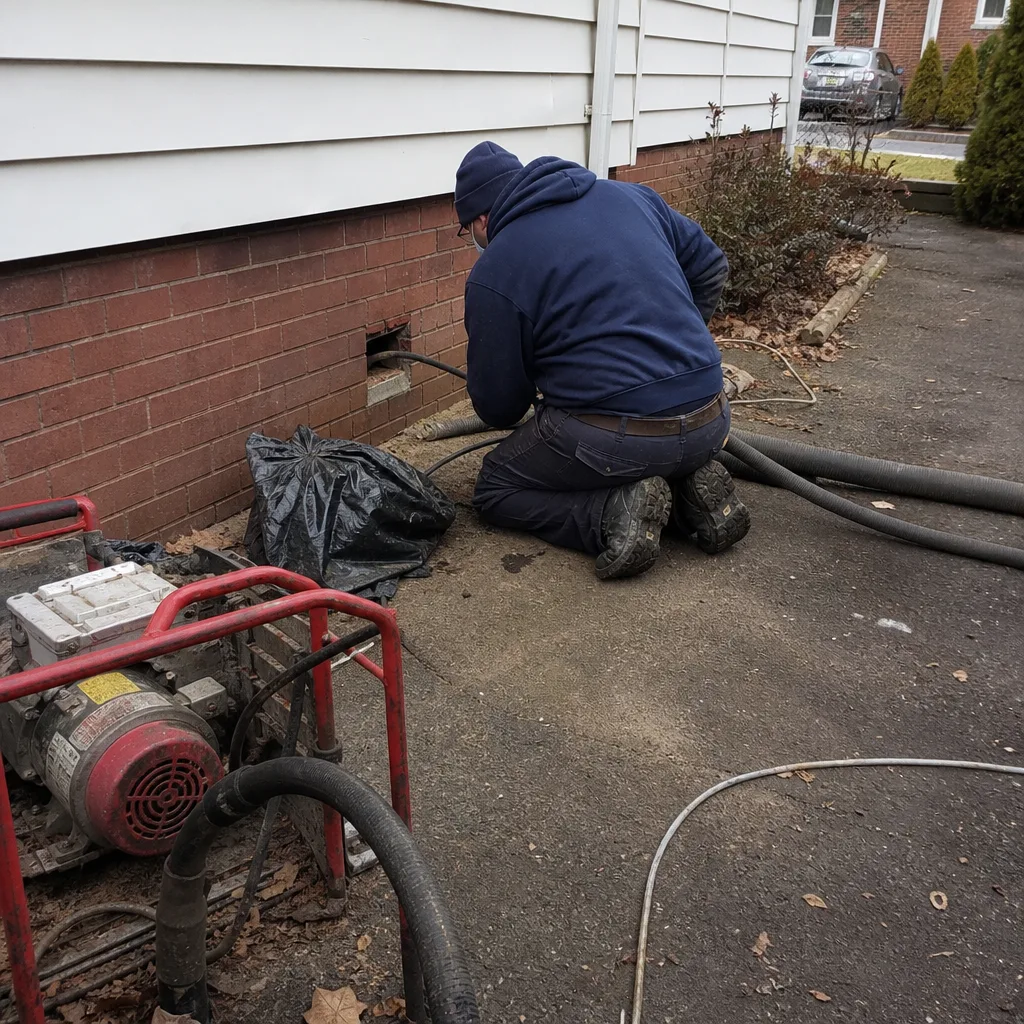 Before
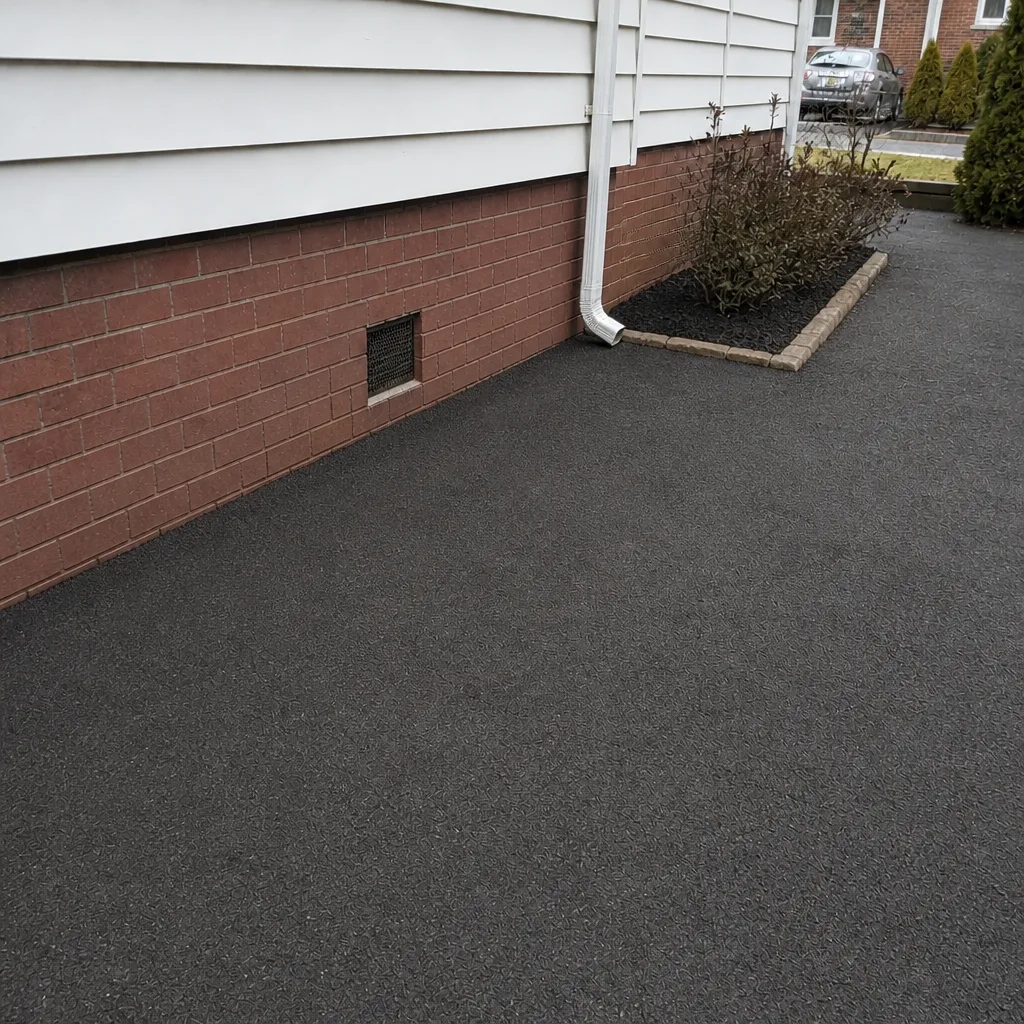 After
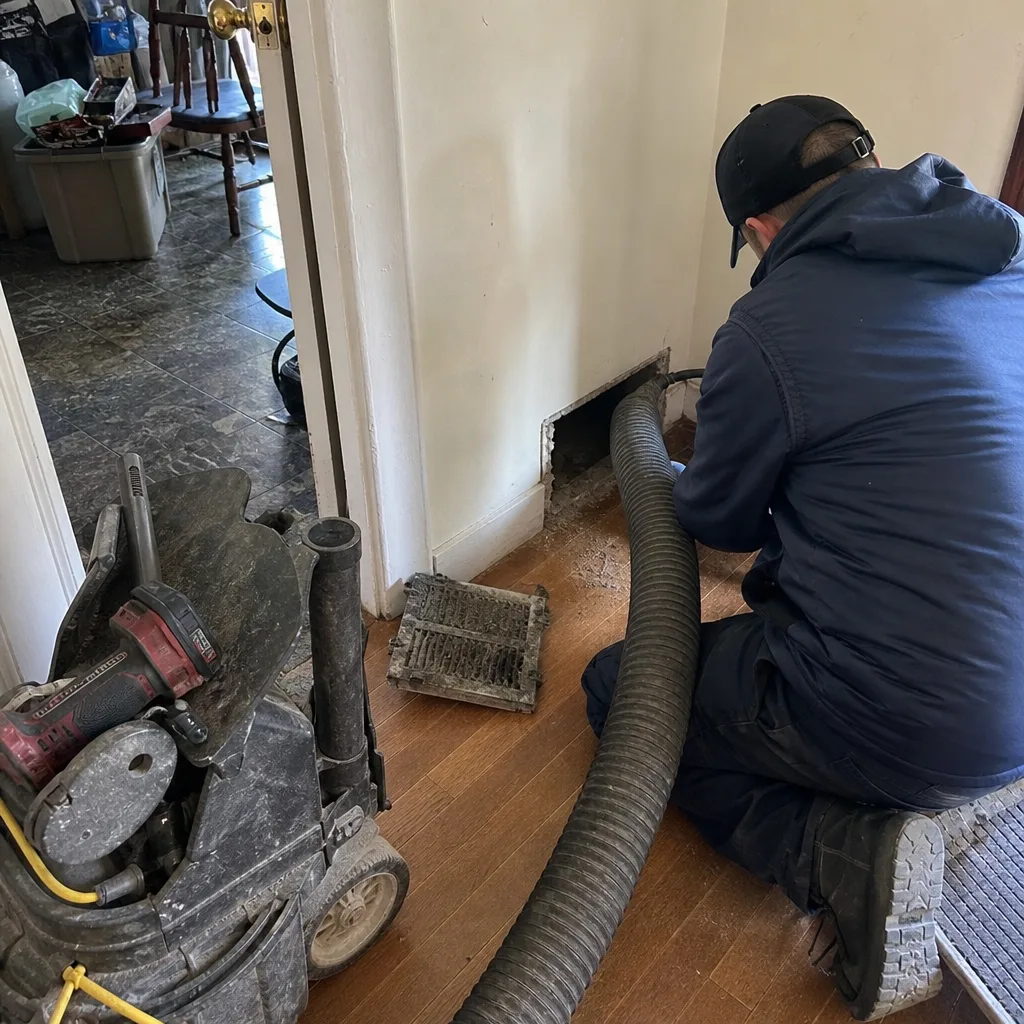 Before
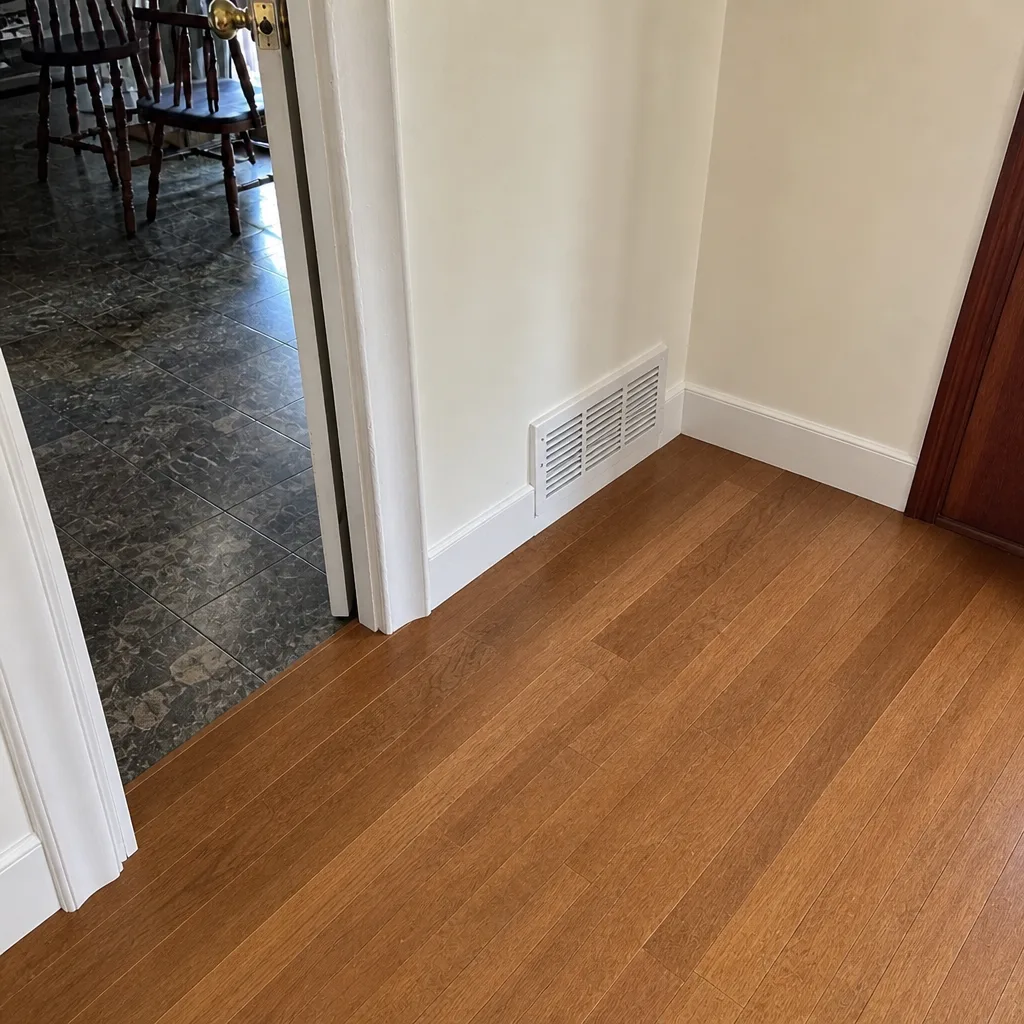 After
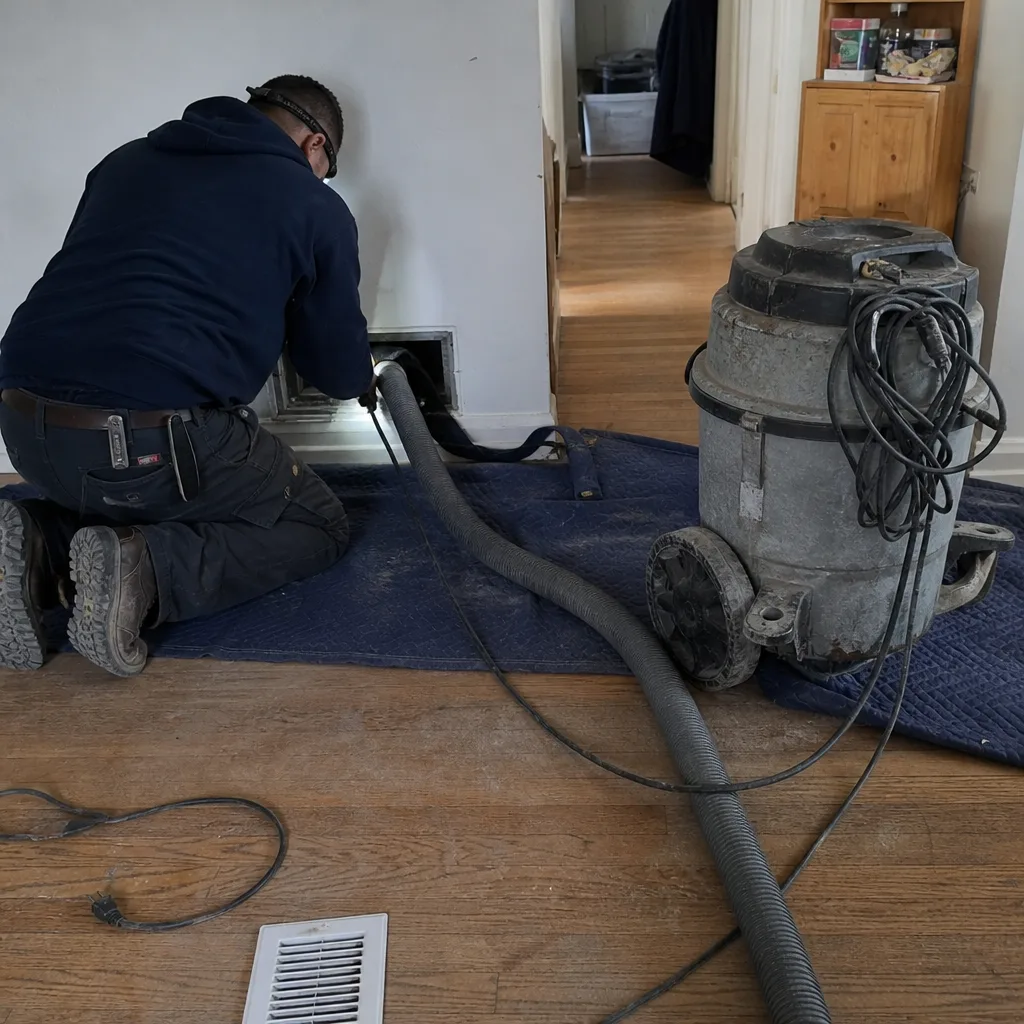 Before
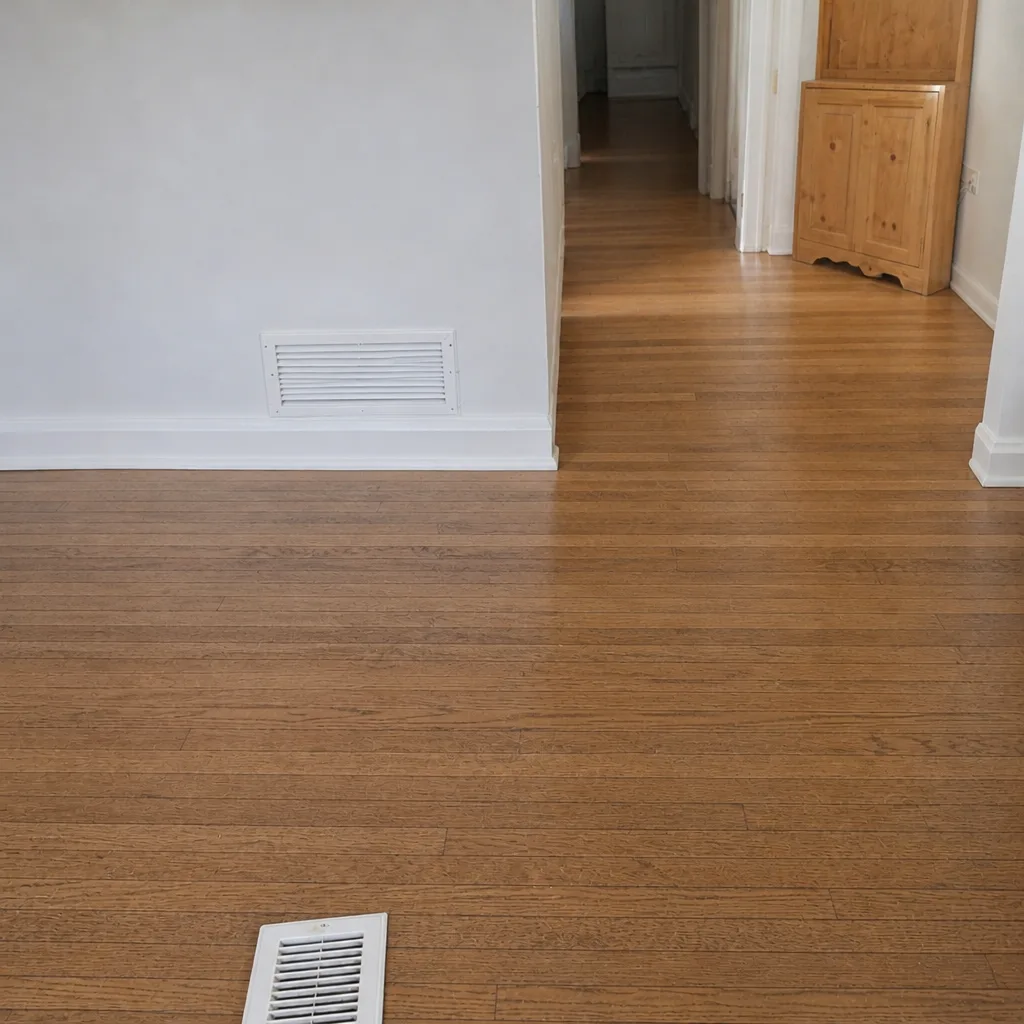 After
When to Call a Professional
Some duct problems are safe to monitor yourself: a filter that needs changing, a register that’s a little weaker than the others. Others need a trained technician. Call if you see pest droppings or nesting material in a duct or near the air handler, if the system smells musty whenever it runs, if airflow to one or more rooms has dropped noticeably, if a home inspection flagged your ductwork, or if the dryer is taking longer and running hotter than usual. And call before the transition if you’re unsure: a professional inspection before the first cooling run catches problems while they’re still cheap to fix. Air Duct Cleaning Parkchester offers free estimates in Parkchester. Call (855) 475-2006. We answer 24/7. Fast dispatch from 7am to 7pm, Sunday through Friday.
Frequently Asked Questions
Most Parkchester homes benefit from a full cleaning once a year, timed to the fall transition, plus a moisture-focused check in summer. Homes with pets, smokers, recent renovation dust, or a family member with asthma usually need the spring transition cleaning too. The right schedule keys off your system’s mechanical transitions, not a fixed number of years.
Spring is the highest-value cleaning window because the first cooling run pushes a season’s worth of settled winter debris into your living space at once. Cleaning before that first run removes the contamination before it circulates. Fall is the other high-value window, before the heat comes on. Call (855) 475-2006 for an exact quote – estimates are free.
A musty smell when the cooling runs usually points to moisture sitting in the drain pan or on the evaporator coil, or to microbial growth on damp duct surfaces. It’s common in Parkchester’s humid July and August stretch. A moisture inspection, coil cleaning, and sanitizing session addresses it. Call (855) 475-2006 for an exact quote – estimates are free.
Low quotes usually reflect inadequate equipment, a cleaning without a leak inspection or sealing step, or per-vent pricing that grows once the crew is on site. Contractor-grade work uses rotary brush agitation and HEPA-rated extraction, then seals leaks and sanitizes surfaces. Ask what equipment the crew uses before you book. Call (855) 475-2006 for an exact quote – estimates are free.
Ask for before-and-after photos of your own ducts and a written scope of what the cleaning, repair, sealing, and sanitizing include. At our end, the work is quoted as one flat price per system agreed before anything starts, so there’s no per-vent surprise once the crew is at your door. Call (855) 475-2006 for an exact quote – estimates are free.
Light lint at the dryer connection can be cleared safely. Anything beyond that, especially a vent line that runs through walls or a roof, needs a trained technician. A clogged dryer vent is a leading household fire cause, and partial cleanings can leave the worst buildup in place. Call (855) 475-2006 for an exact quote – estimates are free.
The Bottom Line
Duct care in Parkchester runs on the system’s rhythm, not the calendar. The two transition points – before the first cooling run in spring and before the heat comes on in fall – are when contamination compounds fastest and when a cleaning does the most good. Summer is for moisture checks and sanitizing. Winter is for filters and register inspection, not heavy cleaning. Match your professional work to those moments, seal your ducts before you clean them, and treat the dryer vent as its own safety system. If you’re ready to schedule around your next transition, call (855) 475-2006 for a free estimate. We answer 24/7. Fast dispatch from 7am to 7pm, Sunday through Friday.
Written by the team at Air Duct Cleaning Parkchester.