
Last updated November 25, 2026
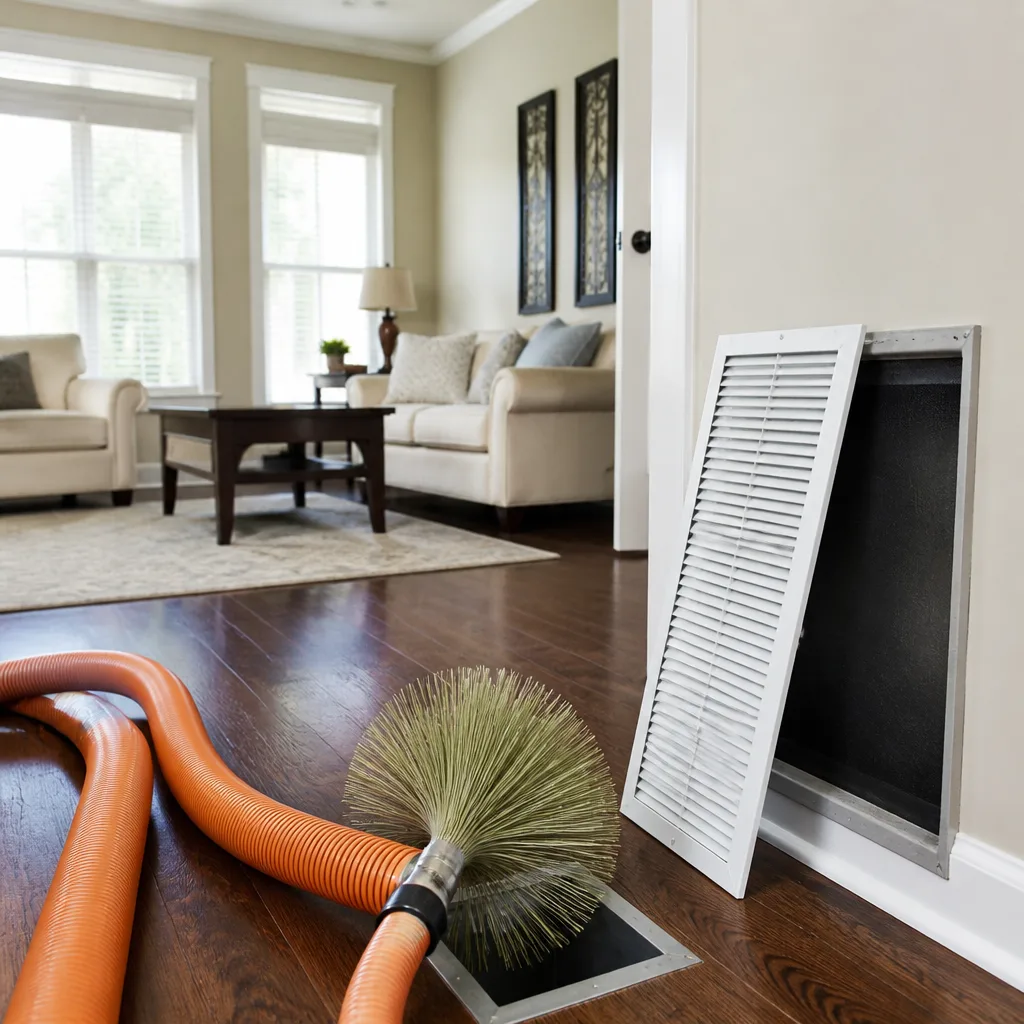 Whole-home duct cleaning
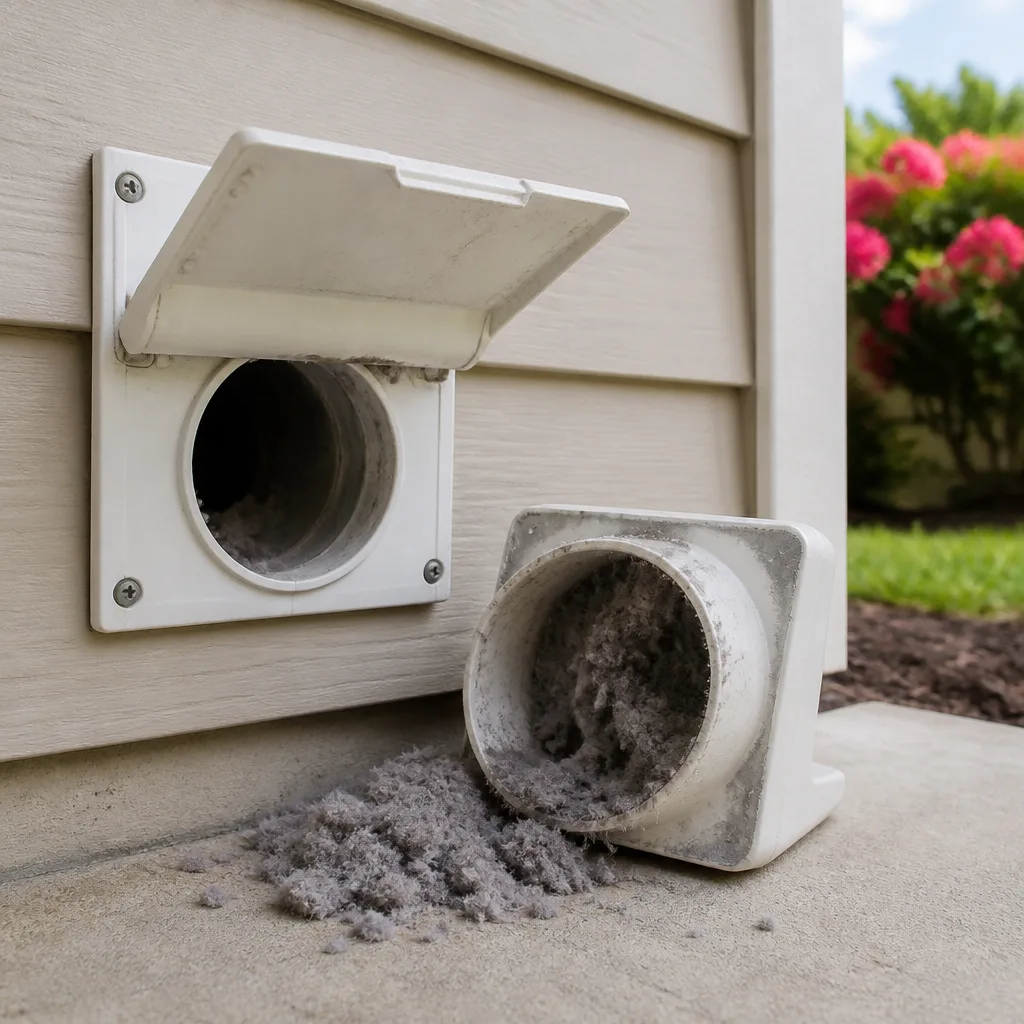 Dryer vent cleaning
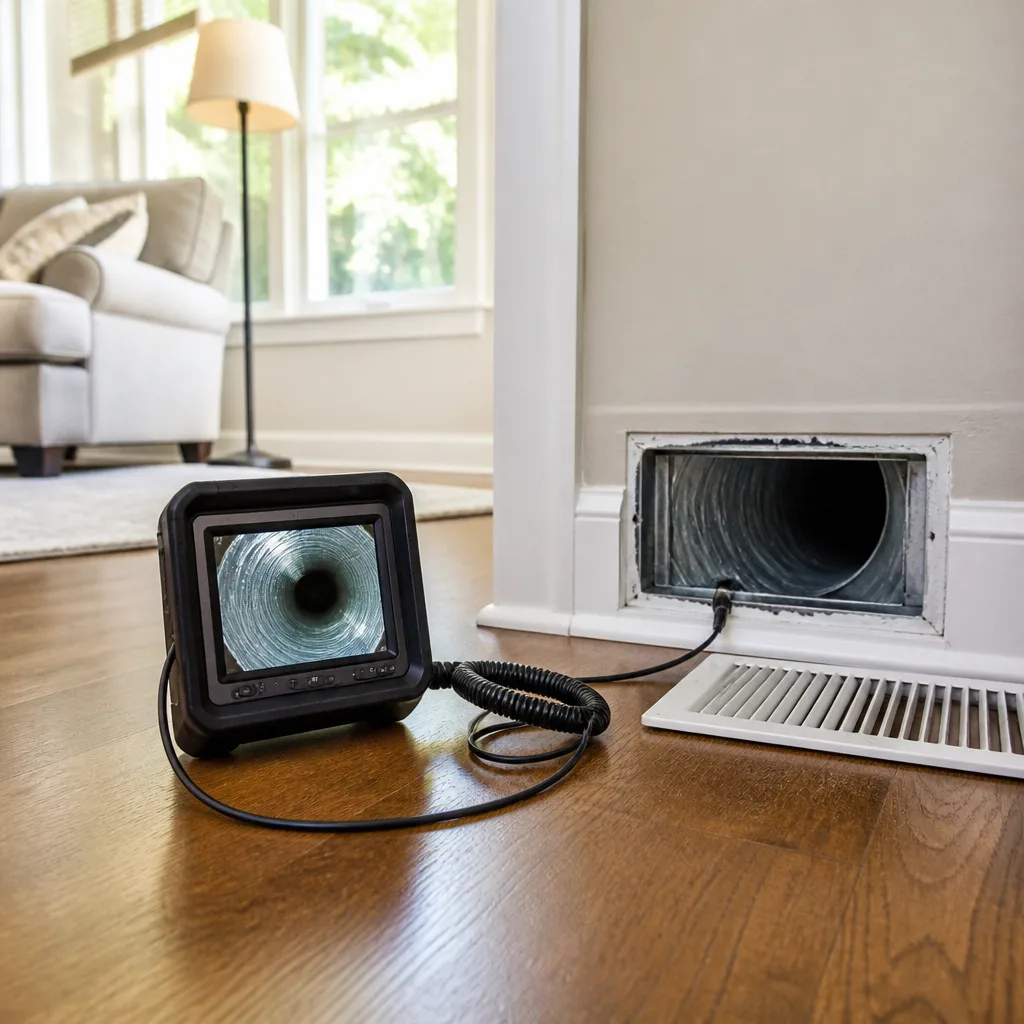 Camera inspection
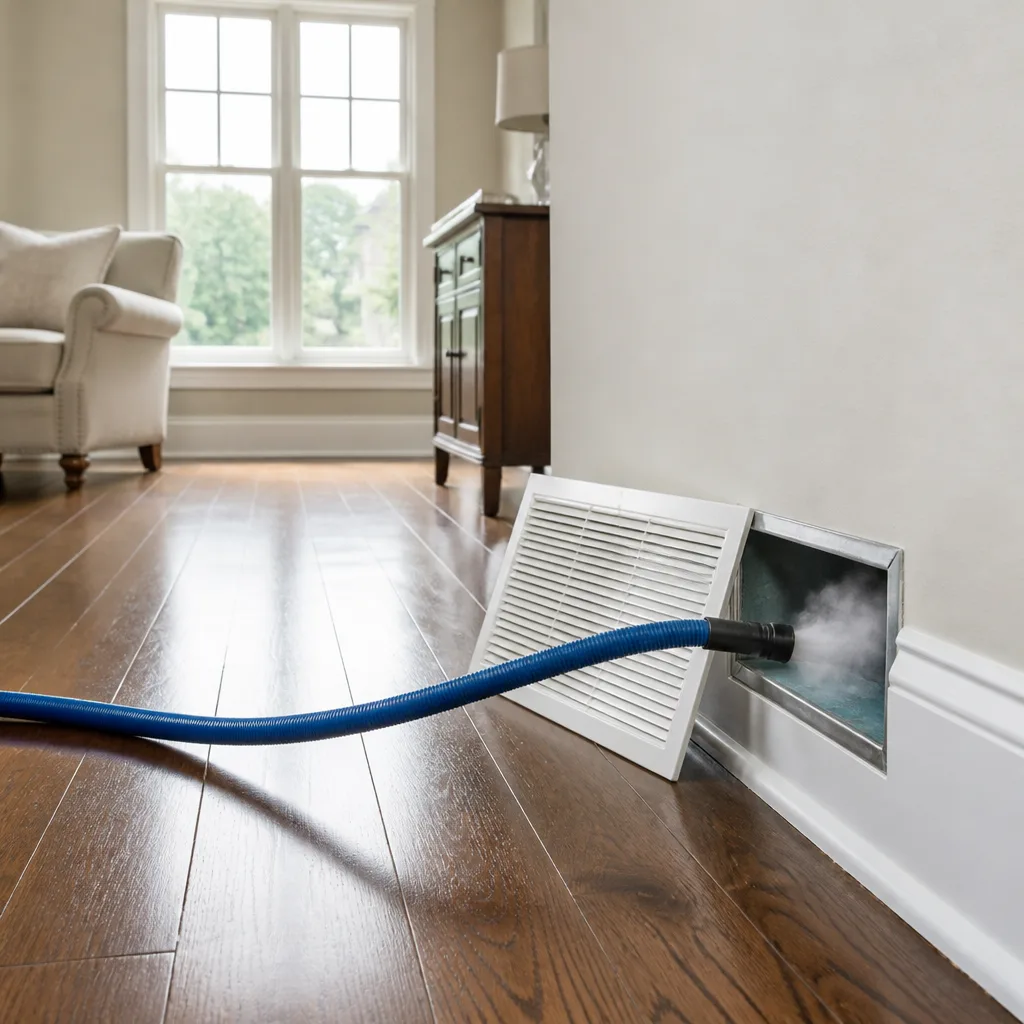 Sanitizing & deodorizing
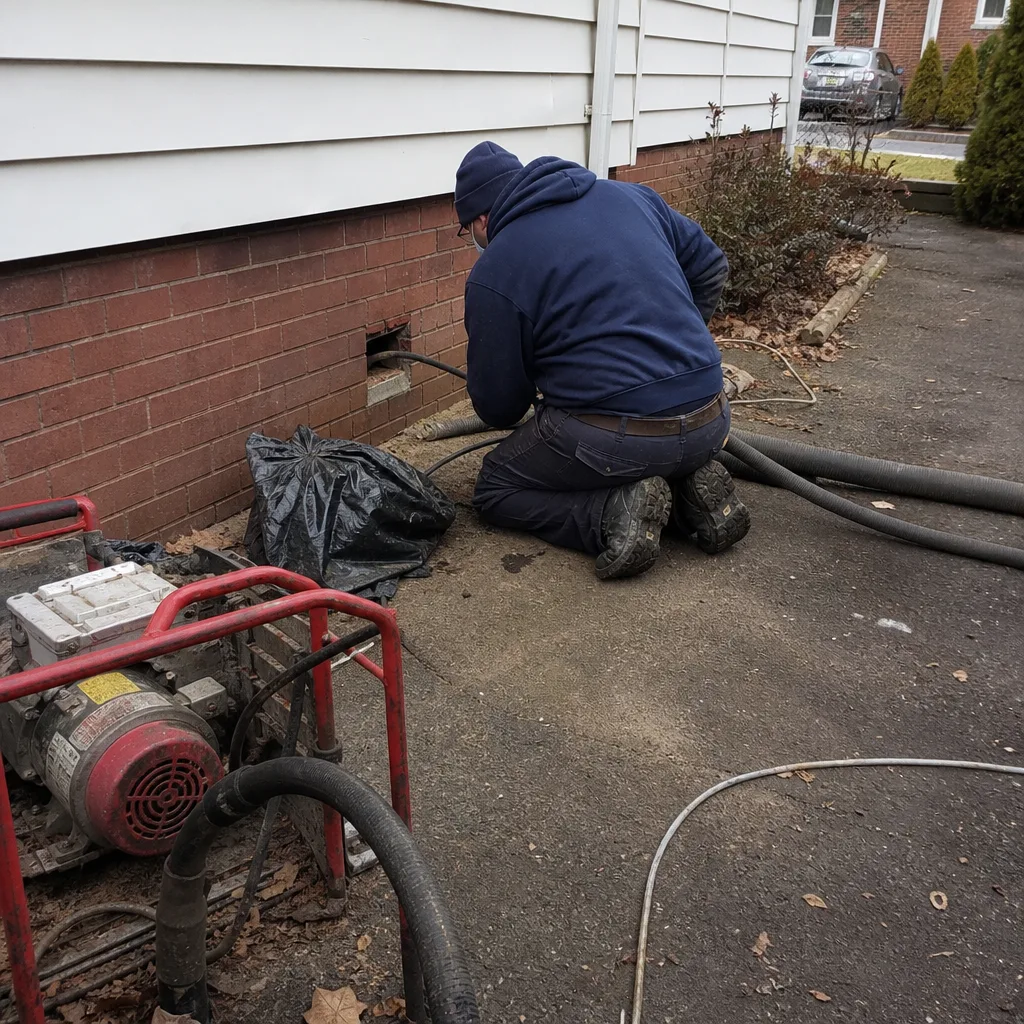
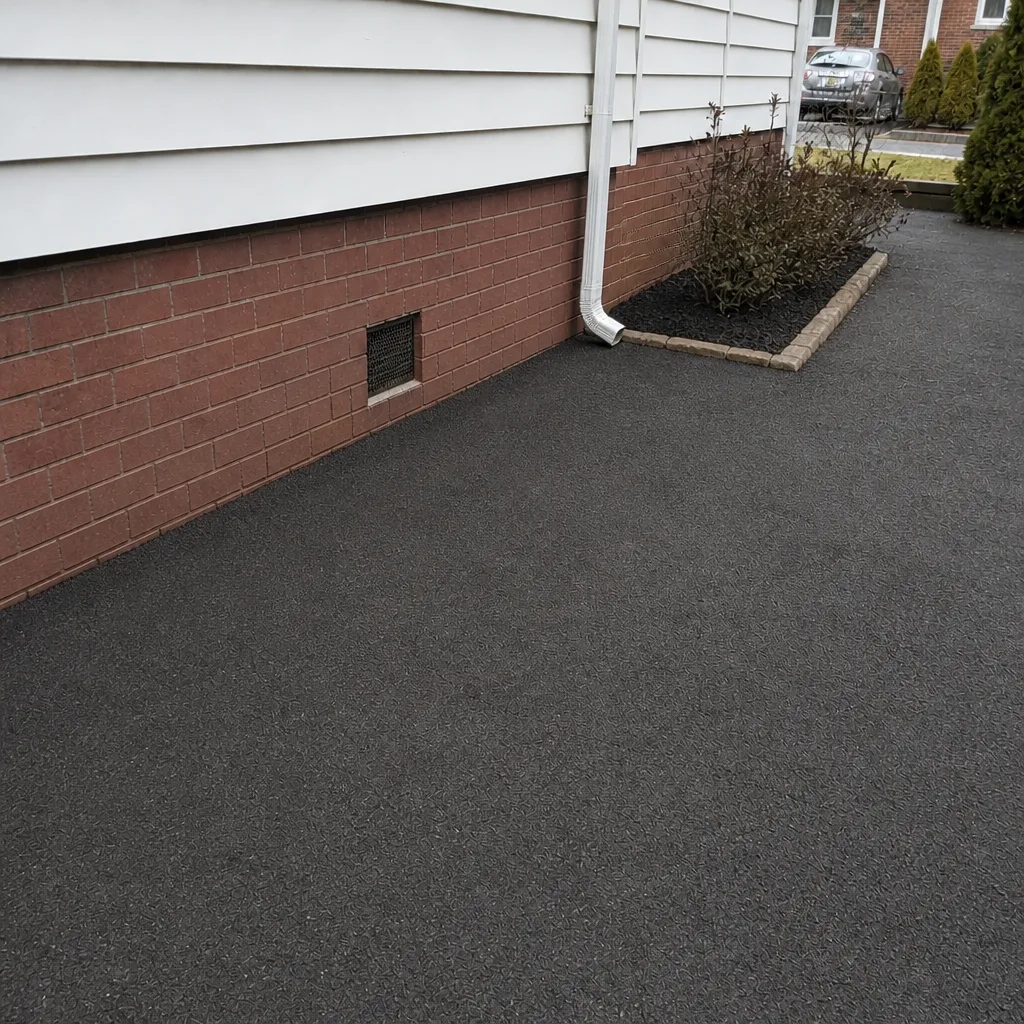
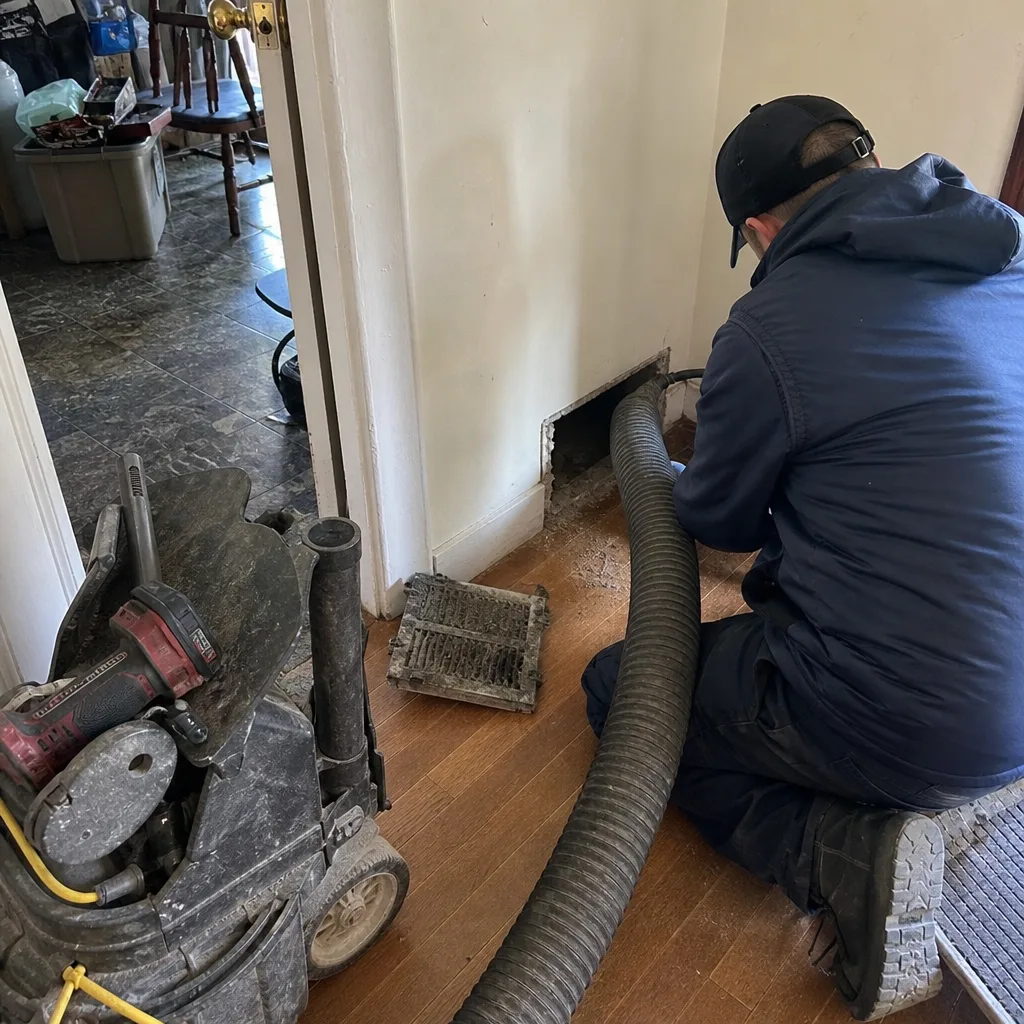
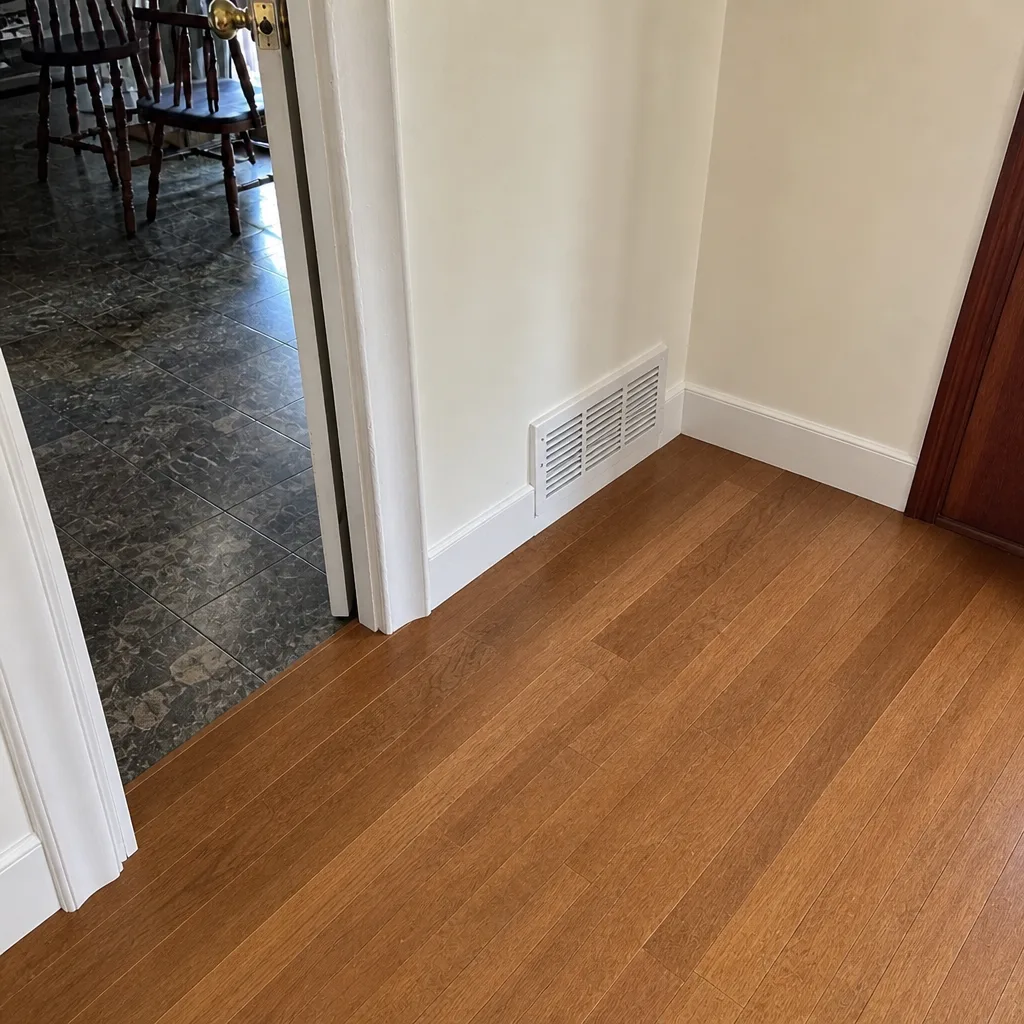
Whole-system duct and dryer vent check with before-and-after photos - you see exactly what came out of your vents
That "$99 whole-house special" is a bait ad - the real number appears once they are in your hallway, or the "clean" is a shop-vac at the register. We photograph the inside of your ducts before and after instead.
Air Duct Cleaning Maintenance Checklist for Parkchester Homeowners
Most duct maintenance advice fails because it tells you to “inspect your ducts annually” without saying what you’re looking for. A checklist that produces no findings is just a calendar reminder. In Parkchester, the stakes are higher than in a detached suburban house: shared HVAC risers, rooftop air handlers serving whole co-op and condo buildings, and dense occupancy mean your ductwork is one part of a system you only partly control. This guide gives you a component-by-component checklist with specific visual triggers, so you know what to look at, what a finding means, and when a finding has already waited too long.
Quick Answer
A practical duct maintenance checklist for a Parkchester home covers four cadences: monthly filter and register checks, quarterly accessible-trunk and flex-connection inspections, annual drain pan and full-system review, and a post-cleaning baseline log you compare against later. The checklist matters less for what you clean yourself and more for the thresholds it sets: dust banding and dry debris are watch-and-wait, while rust staining, musty odor, or sagging flex connections mean call a professional now.
Styles & brands we work with
- Whole-home duct cleaning
- Dryer vent cleaning
- Camera inspection
- Sanitizing & deodorizing
Table of Contents
- Why Parkchester Buildings Need a Different Checklist
- Monthly Tasks: Filter and Register Face
- Quarterly Tasks: Accessible Trunk and Flex Connections
- Annual Tasks: Drain Pan and Full-System Review
- Rooftop Air Handler Items for Co-op and Condo Owners
- How to Log a Baseline After Professional Cleaning
- Watch-and-Wait vs. Call Now: The Threshold Table
- Common Mistakes to Avoid
Why Parkchester Buildings Need a Different Checklist
A single-family checklist assumes you own every component. In a Parkchester co-op or condo, you typically own the registers, the in-unit flex runs, and the filter slot, while the trunk lines, risers, and rooftop air handlers belong to the building. That split changes what a maintenance checklist can actually accomplish. You’re checking the parts you control and watching the parts you share for signs they’re affecting your unit.
Dense occupancy is the other difference. A Parkchester apartment building moves more air through shared systems than a single house does, and every unit’s dust load adds to the same plenum. Drywall dust from a renovation on your floor, cooking particulate from a neighboring kitchen, and ordinary household shedding all pass through common runs before reaching your registers. That’s why visual inspection signals in Parkchester tend to appear on register faces and grille edges first: they’re the last surface air touches before it enters your room.
The building stock matters too. Many Parkchester buildings date to the mid-20th century and have had HVAC retrofits layered in over the decades. That means a mix of original rigid duct, later flex connections, and rooftop units added at different times. A checklist built for new construction misses the most common failure points in retrofitted systems: loose flex collars, disconnected takeoffs, and condensation on runs that pass through unconditioned space.
Finally, the climate. New York City’s humid summers and cold winters create a seasonal swing that shows up in your ductwork as condensation, then drying, then dust re-adhesion. In our experience, the moisture-driven problems (staining, odor, drain pan overflow) cluster in the warm months, while the dust and debris problems build steadily year-round. A checklist that treats all findings the same misses that pattern.
Monthly Tasks: Filter and Register Face
Monthly checks take about ten minutes and catch the issues that are cheap to fix early. The goal is consistency, not deep cleaning.
- Inspect the filter without removing it first. Hold a light to the intake side. If you can’t see light through the pleats, it’s loaded. Note the date on the filter frame with a marker so you’re never guessing when it went in.
- Check filter fit. A filter that’s too small for the slot lets unfiltered air bypass it entirely. Gaps around the edges mean the filter is doing less work than you think.
- Wipe the register face with a dry cloth and look at what comes off. Light gray dust is normal. Dark, sticky, or smeary residue is not, and it usually points to moisture somewhere upstream.
- Inspect register edges for dust banding. Banding is a dark rim where air escapes around the grille frame instead of passing through it. It means the register isn’t seated flush or the seal behind it has failed.
- Look for staining patterns on the wall or ceiling around each register. A uniform gray halo is dry dust. A defined ring or a brownish tide-line is moisture wicking, and moisture is the finding that escalates.
- Note any change in airflow by hand. You don’t need a meter. If a register that used to push strong air now feels weak, that’s a data point worth logging.
For most Parkchester apartments, monthly filter checks are the highest-value item on the whole checklist because the filter is the one component that protects everything downstream. A loaded filter raises static pressure, which makes the system work harder and can pull dust past seals that would otherwise hold.
Quarterly Tasks: Accessible Trunk and Flex Connections
Quarterly checks go a level deeper, to the parts you can reach without tools. In many Parkchester units that’s a closet-mounted air handler, an exposed run above a drop ceiling, or a short section of flex visible behind a return grille.
- Look at every visible flex connection for sag, kinks, or separation. Flex duct should run taut with gentle bends. A collapsed section or a collar that’s pulled loose is leaking conditioned air into the wall cavity and pulling unfiltered air back in.
- Check the tape and mastic at joints. Old cloth-backed tape dries out and peels. If you can lift an edge with a fingernail, the joint is open.
- Run a hand along accessible trunk seams while the system is on. You’re feeling for air escape, not temperature. A detectable draft at a seam is a leak.
- Inspect insulation on runs through unconditioned space. Torn or compressed insulation leads to condensation on the duct surface in summer, and condensation leads to the staining you’d otherwise miss.
- Smell the return air. A musty or stale smell at the return grille usually means microbial growth somewhere in the system, not just dust.
The right professional air duct cleaning job addresses these findings with more than a vacuum. Cleaning ducts that still leak just re-contaminates them, which is why duct repair and sealing belong in the same visit as cleaning. Contractor-grade equipment like a Rotobrush rotary brush paired with a Nikro HEPA-rated vacuum agitates debris loose and captures it at the source rather than blowing it back into the room.
Annual Tasks: Drain Pan and Full-System Review
The annual pass is where you look at the components that fail slowly and quietly. The drain pan is the most overlooked item on any duct checklist, and it’s the one most likely to cause real damage.
- Find the drain pan under the air handler and look at the water. Standing water, slime, or rust-colored residue means the pan isn’t draining properly.
- Check the drain line for clogs. A slow drain backs up into the pan, and an overflowing pan damages ceilings below, especially in stacked Parkchester buildings.
- Inspect the evaporator coil area for visible buildup. You don’t need to clean it yourself. You’re looking for matted dust or biological growth that signals the coil needs professional attention.
- Review the full register count against last year’s log. If you have more registers than you remember, or fewer, note it. Changes in register count usually mean a renovation altered the layout.
- Schedule the professional review. An annual HVAC cleaning visit covers the coil, blower, and cabinet surfaces that a homeowner checklist can’t safely reach.
Your HVAC cleaning visit is the right moment to update your log with professional findings. Ask for before-and-after photos. Contractors using Abatement Technologies filtration equipment can show you what came out of the system, and those photos become the baseline you compare against next year.
Rooftop Air Handler Items for Co-op and Condo Owners
If your Parkchester building is served by a rooftop air handler, your checklist should include a few items that don’t apply to in-unit systems. You won’t be climbing onto the roof, and you shouldn’t. But you can watch for the symptoms that tell you the rooftop unit needs attention from the building or a contractor.
- Uneven airflow across units on the same riser. If your neighbor’s registers push strong air and yours are weak, the problem is likely upstream in the shared run, not in your unit.
- Seasonal odor that appears when the system first starts. A musty smell at startup that fades after a few minutes points to growth in the rooftop unit cabinet or the coil.
- Water staining on ceilings near supply diffusers. On a rooftop system, ceiling staining often traces back to condensate management at the unit, not to a leak in your apartment.
- Visible dust puffing from a diffuser at startup. That’s accumulated debris in the duct run being disturbed, and it’s a sign the shared section hasn’t been cleaned on schedule.
- Building-wide complaints logged with the management office. Keep a note of when you reported a symptom. A pattern across units is the strongest argument for a full building system review.
Rooftop systems in dense Parkchester buildings carry heavier particulate loads than a single-family system because they serve many units at once. Professional cleaning with contractor-grade extraction is the right answer there, and Abatement Technologies air filtration tools are built for exactly that class of work. If your building shares a rooftop unit, coordinate with management before scheduling anything that touches the shared run.
How to Log a Baseline After Professional Cleaning
A baseline log is what turns your checklist from subjective (“the ducts look dirtier than last year”) into something you can actually compare. Without one, every future inspection is a guess.
Right after a professional cleaning, record these items in a notebook or a phone note:
- Date of cleaning and which service was performed. Include whether duct repair and sealing was part of the visit.
- Before-and-after photos of each register. Photograph from the same angle each time so future comparisons line up.
- The filter brand, size, and MERV rating you installed. Changing filter specs later changes what your registers collect, which affects every comparison.
- A description of register conditions in plain language. “Light gray dust on face, no staining at edges” is more useful than “clean.”
- Notes on any flex connections or joints the contractor sealed. Sealing changes airflow, so a pre-seal reading isn’t comparable to a post-seal reading.
Then set a reminder to repeat the same inspection in three months. Compare the new photos side by side. Dust banding that reappears at the same register within weeks of cleaning is a different finding from dust that takes nine months to build up. The first means something is still leaking at that register. The second is normal accumulation.
For a full picture of how professional cleaning resets a system, see our Air Duct Cleaning Parkchester service overview. That page covers the end-to-end process: clean it, seal it, sanitize it.
Watch-and-Wait vs. Call Now: The Threshold Table
The most useful part of any checklist is the decision rule for each finding. Here’s how we sort the common findings into watch-and-wait versus call now.
- Watch-and-wait: light gray dust on register faces. Normal accumulation between cleanings. Log it and clean the surface.
- Watch-and-wait: a faint dust halo around a register edge. Re-seat the grille if it’s loose. If the halo returns within weeks, escalate.
- Watch-and-wait: slightly weak airflow at one register. Check the filter first. If the filter is clean and airflow is still weak, book a professional inspection.
- Watch-and-wait: seasonal dryness cracking at a flex joint. Note it and check again next quarter. Replace tape that’s lifting.
- Call now: brownish staining or a defined ring around a register. Moisture is the upstream cause, and moisture feeds microbial growth throughout the run.
- Call now: musty odor from a return grille. Odor indicates growth somewhere in the system. Cleaning plus sanitizing is the fix, not a surface wipe.
- Call now: a sagging, kinked, or disconnected flex connection. Leaking ducts pull unfiltered air into the system and waste conditioned air.
- Call now: standing water or slime in the drain pan. This risks ceiling damage below and points to a clogged drain line.
Our technicians have up to 9 years of experience sorting these findings on site. When in doubt, a free estimate is cheaper than waiting for a small finding to become a system-wide problem. Call (855) 475-2006. We answer 24/7. Fast dispatch from 7am to 7pm, Sunday through Friday.
Do You Need Dryer Vent Cleaning on the Same Checklist?
Yes. A dryer vent is a separate system from your HVAC ducts, but a maintenance checklist that ignores it leaves out one of the leading household fire causes. Lint accumulates in the vent run, and restricted airflow causes the dryer to overheat.
Add these items to your quarterly pass:
- Check the exterior vent flap. It should open freely when the dryer runs. A stuck flap means restricted exhaust.
- Feel the exterior vent air while the dryer runs. Strong, warm airflow is normal. Weak or cool airflow suggests a clog.
- Look for lint accumulation behind and beneath the dryer. A visible ring of lint at the floor is a sign of vent restriction upstream.
- Note drying times. Clothes that suddenly take two cycles to dry usually indicate a clogged vent, not a failing dryer.
Dedicated dryer vent cleaning is a standalone safety service in our lineup, not a bolt-on to a duct job. Book it on its own schedule and treat it as a separate maintenance line in your log.
Common Mistakes to Avoid
- Inspecting ducts only once a year. By the time an annual check finds a moisture problem, it’s often been developing for months. Monthly register checks catch it early.
- Treating all dust the same. Dry gray dust and sticky brownish residue are entirely different findings with different urgency. Learn the difference on your own registers.
- Skipping the drain pan because it’s hard to reach. In a stacked Parkchester building, an overflowing pan damages the ceiling below. Make the effort to find it.
- Replacing filters without noting the spec. Switching MERV ratings without logging it makes future comparisons meaningless, because your registers will collect differently.
- Cleaning ducts without fixing leaks. If you clean a leaking system, the debris builds back faster. Duct repair and sealing should happen in the same visit as cleaning.
- Assuming a rooftop system isn’t your concern. Even if you don’t own the unit, your unit’s symptoms are data. Report them to management with dates.
- Forgetting the dryer vent entirely. The HVAC checklist won’t catch a lint clog, and the dryer vent is a fire risk that plays by its own schedule.
See the difference
 Before
 After
 Before
 After
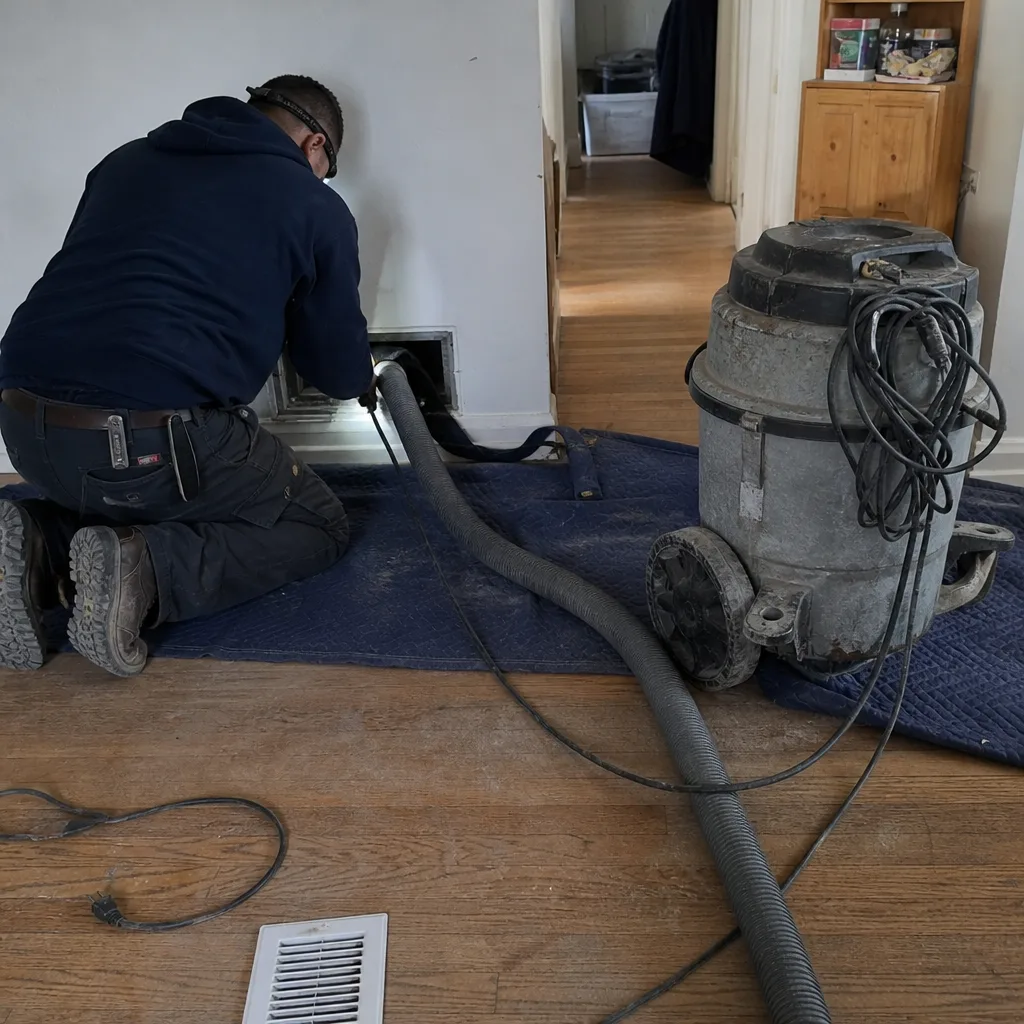 Before
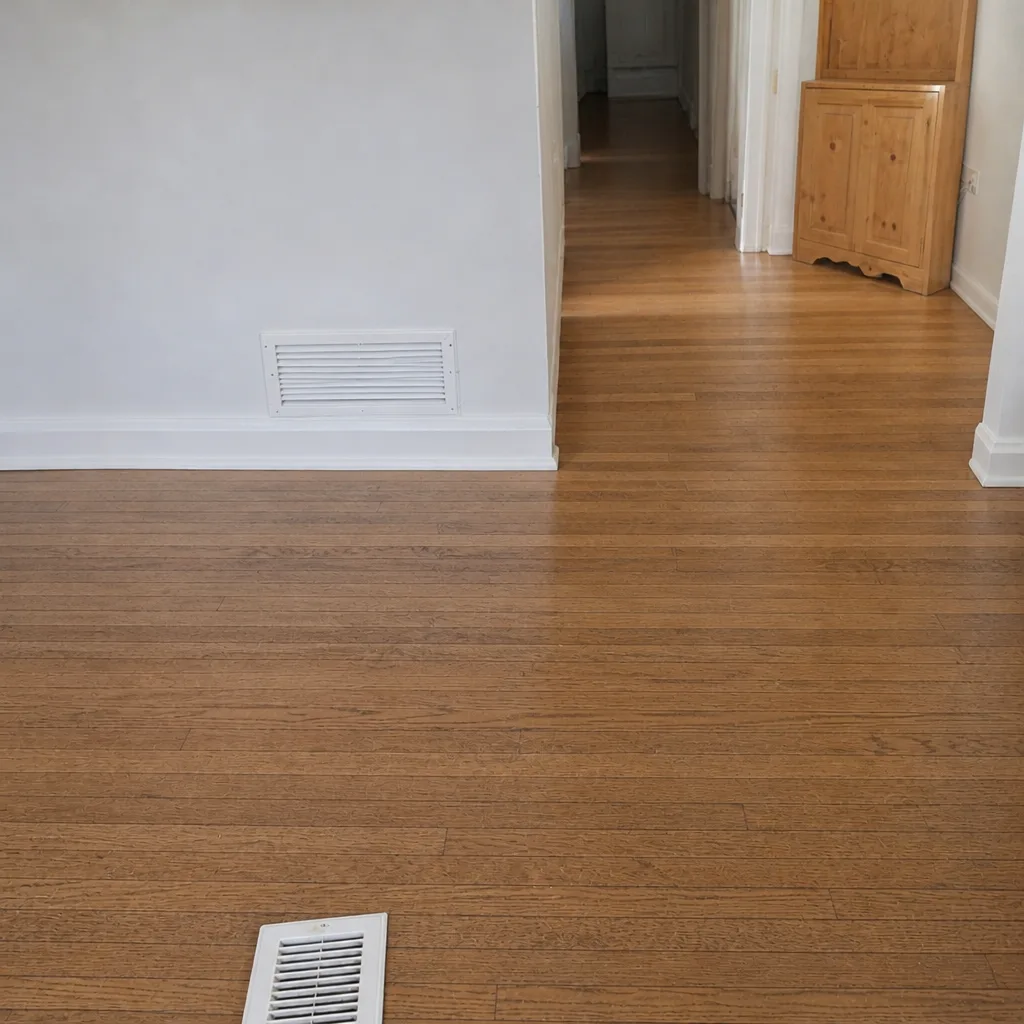 After
When to Call a Professional
Call a professional for any finding in the “call now” column above, and for any watch-and-wait item that persists after two checks. Specifically: brownish staining or defined rings around registers, musty odor from a return grille, sagging or disconnected flex connections, standing water in the drain pan, or a dryer vent with weak exterior airflow. Those are the findings that don’t resolve with a surface wipe or a new filter, and each carries a downstream cost if you wait.
Air Duct Cleaning Parkchester offers free estimates in Parkchester. Our technicians use contractor-grade equipment: Rotobrush rotary brushes, Nikro HEPA-rated vacuums, and Abatement Technologies filtration tools for the heavier cleanup jobs. We run five core services, so we can clean, seal, sanitize, and check the dryer vent in a coordinated way rather than handing you off between vendors. Call (855) 475-2006. We answer 24/7. Fast dispatch from 7am to 7pm, Sunday through Friday. Every job is one flat price per system agreed before work starts, and you get before-and-after photos of your own ducts.
Frequently Asked Questions
Inspect your filter and register faces monthly, check accessible flex connections and trunk seams quarterly, and do a full drain pan and system review annually. In a dense Parkchester apartment building, the monthly cadence matters most because shared systems move more particulate than single-family homes do. Call (855) 475-2006 for a free estimate if you’re unsure where to start – we can walk through your system and set a realistic schedule.
Dust banding is a dry gray rim where air escapes around a register frame, and it’s a minor seal issue. Staining is a defined ring or tide-line, often brownish, that indicates moisture is wicking into the drywall or duct surface. Banding is watch-and-wait; staining is a call-now finding. Call (855) 475-2006 if you’re seeing brownish staining – estimates are free.
You can check uneven airflow across units on the same riser, seasonal odor at system startup, ceiling staining near diffusers, and dust puffing from diffusers at startup. Each of those points to a rooftop or shared-run issue without you needing access. Report findings with dates to your management office. If you want an independent assessment of your own unit’s portion of the system, call (855) 475-2006 for a free estimate.
Yes, and it’s the single thing that makes future inspections meaningful. Without before-and-after photos and a recorded filter spec, you have no reference for whether dust is building fast or slow. Photograph each register from the same angle, note the filter brand and rating, and repeat the inspection in three months. Call (855) 475-2006 to schedule the cleaning that resets your baseline – estimates are free.
Yes, as a separate line item with its own schedule. A dryer vent is a different system from your HVAC ducts and a leading household fire cause when lint accumulates. Check the exterior flap, feel airflow while the dryer runs, and watch drying times. Book dryer vent cleaning on its own cycle, and call (855) 475-2006 for a free estimate when you’re ready.
If your quarterly check turns up sagging flex, lifting tape, or detectable drafts at trunk seams, you need repair and sealing alongside cleaning. Cleaning a leaking system just re-contaminates the ducts, because unfiltered air keeps pulling dust back in. Call (855) 475-2006 for a free estimate and we’ll assess which of the two you actually need – one flat price per system agreed before work starts.
The Bottom Line
A useful duct maintenance checklist isn’t a calendar of cleanings. It’s a set of inspection points tied to specific visual findings, plus clear thresholds for when a finding means call now rather than watch. Focus your effort on the parts you control in a Parkchester unit: the filter, the register faces, and the accessible flex connections. Log everything after a professional cleaning so your comparisons are real. And remember that duct repair and sealing belong in the same visit as cleaning, because clean ducts that still leak won’t stay clean.
If you’d rather have a professional walk your system and set the baseline with you, call (855) 475-2006 for a free estimate. We answer 24/7. Fast dispatch from 7am to 7pm, Sunday through Friday. One flat price per system agreed before work starts, before-and-after photos of your own ducts, and a satisfaction guarantee.
Written by the team at Air Duct Cleaning Parkchester.