
Last updated November 25, 2026
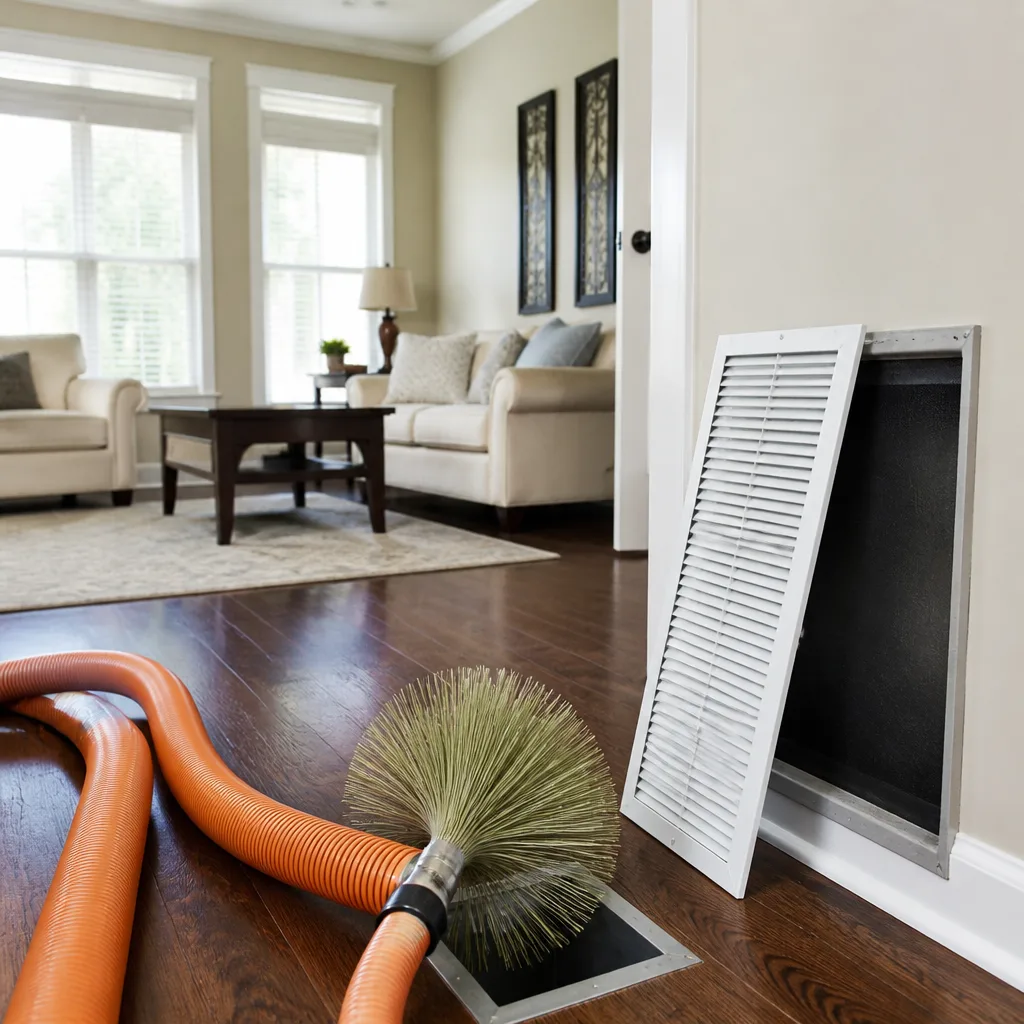 Whole-home duct cleaning
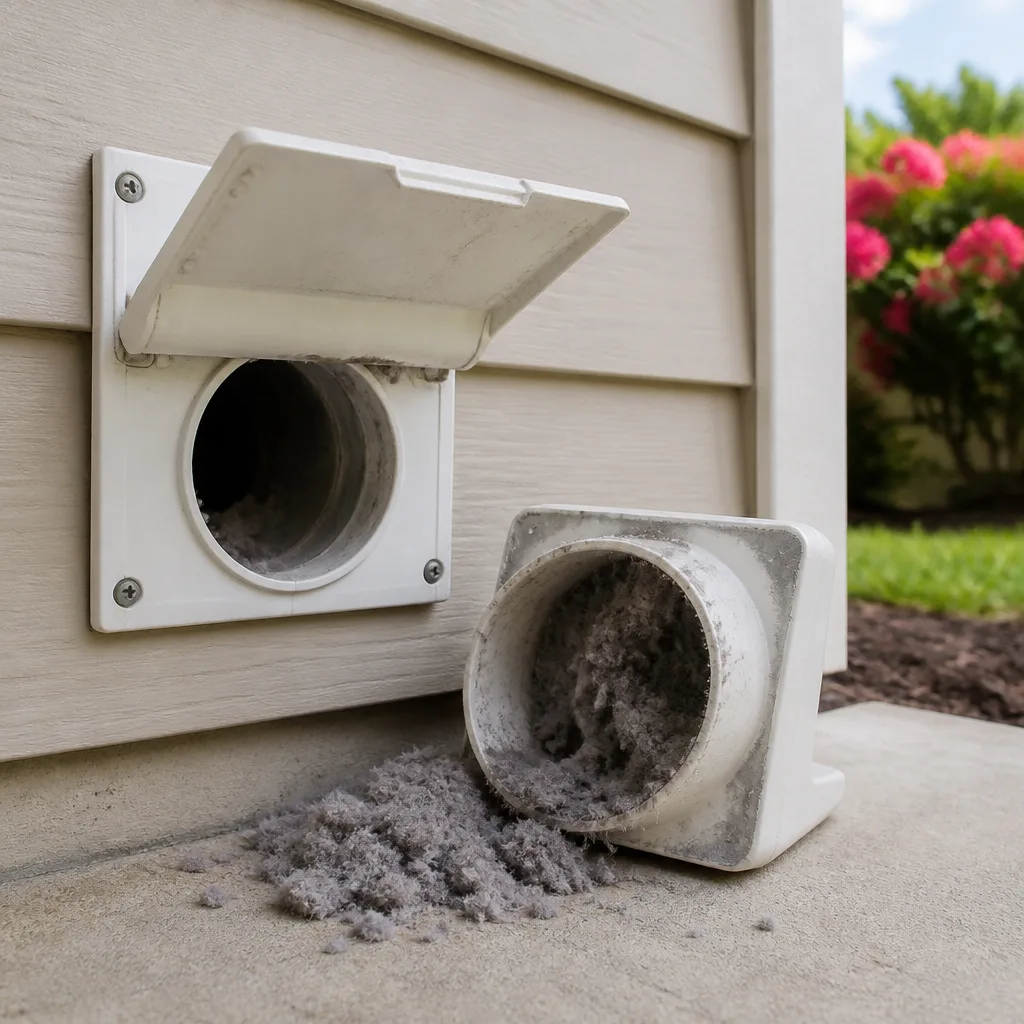 Dryer vent cleaning
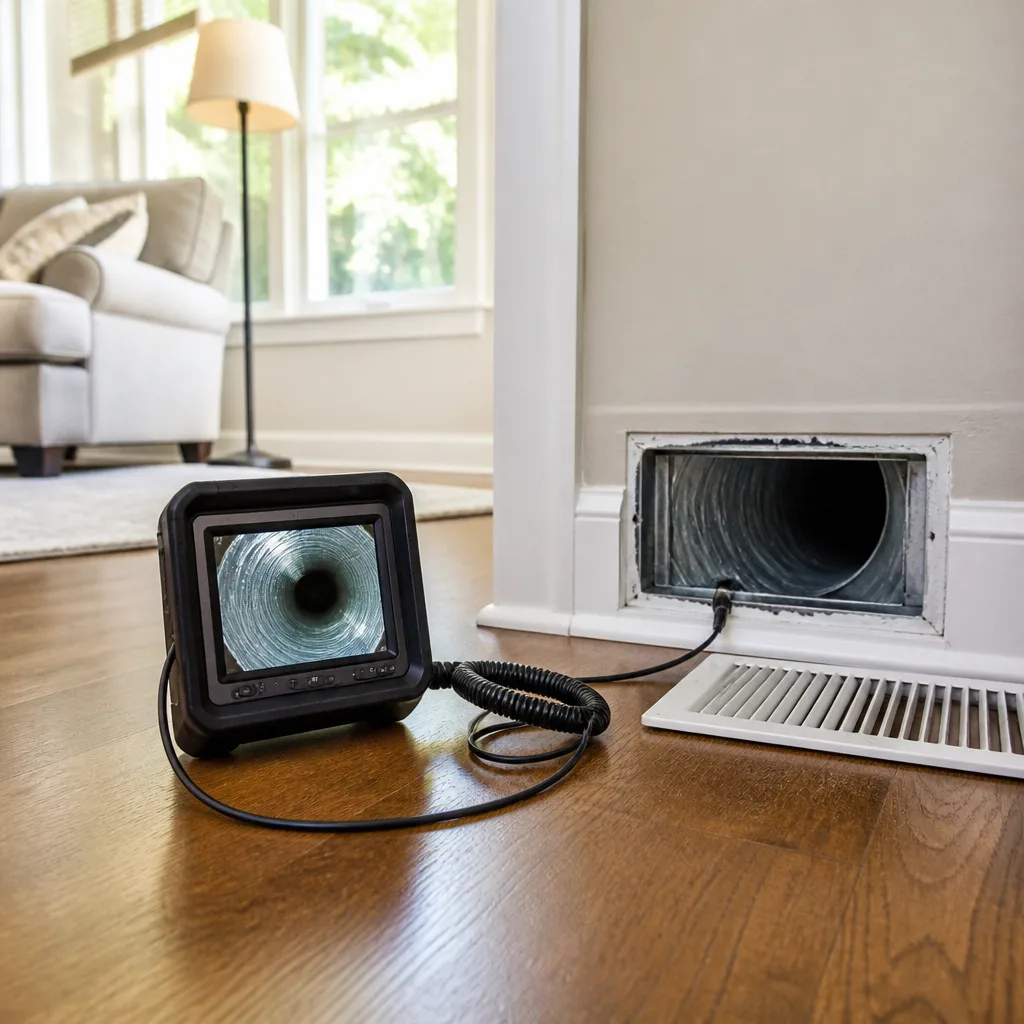 Camera inspection
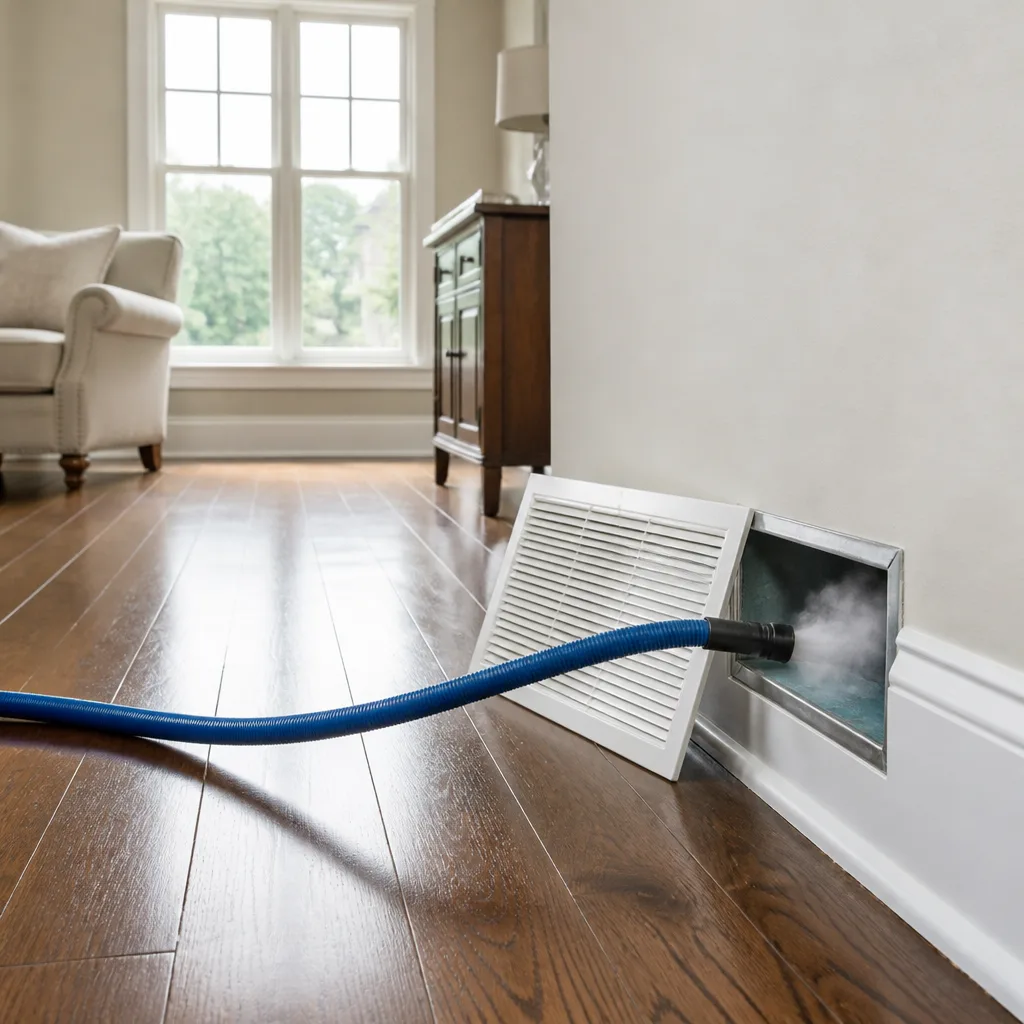 Sanitizing & deodorizing
Whole-system duct and dryer vent check with before-and-after photos - you see exactly what came out of your vents
That "$99 whole-house special" is a bait ad - the real number appears once they are in your hallway, or the "clean" is a shop-vac at the register. We photograph the inside of your ducts before and after instead.
Air Duct Cleaning Warning Signs: A Parkchester Homeowner’s Reference Guide
Dust sitting on your supply registers isn’t always a warning sign. In most Parkchester apartments and houses, some of it is just normal accumulation, and treating every dusty grille as an emergency leads people to spend money they didn’t need to spend. The signs that actually matter are subtler and more specific: a dark streaking pattern on one register and not another, a bedroom that never quite warms up no matter what you do to the thermostat, an odor that shows up ten minutes after the fan kicks on. Most homeowners walk past these daily without recognizing what they indicate. This guide is built to change that. Each symptom we cover is paired with what it likely means mechanically, so you can tell the difference between a cleaning job and a system problem that cleaning alone won’t solve.
Quick Answer
The warning signs that genuinely point to a duct problem are dark streaking or staining around registers, uneven airflow from room to room, odors that appear only when the HVAC runs, allergy symptoms that track with heating and cooling cycles, and visible gaps or disconnected joints in exposed ductwork. Uniform light dust is usually normal. Dark staining, musty or acrid smells, and persistent room-to-room temperature differences are the signs worth acting on, because they often indicate moisture, biological growth, or leaks that need repair and sealing, not just vacuuming.
Styles & brands we work with
- Whole-home duct cleaning
- Dryer vent cleaning
- Camera inspection
- Sanitizing & deodorizing
Table of Contents
- Reading Your Registers: Uniform Dust vs. Dark Streaking
- Airflow Asymmetry: When One Room Never Cooperates
- Odor Diagnostics: Musty, Acrid, and Stale
- Symptom Patterns That Track With Your HVAC
- Signs You Need Repair and Sealing, Not Just Cleaning
- The Dryer Vent Sign Most People Ignore
- What Parkchester’s Building Stock Does to Ductwork
- Common Mistakes to Avoid
Reading Your Registers: Uniform Dust vs. Dark Streaking
A fine, even layer of pale dust on a supply register is generally normal. Air moving out of a vent carries trace particulate, and over weeks it settles into a uniform film. You can wipe it off with a damp cloth and it comes back slowly. That’s the baseline.
What you’re looking for is anything that breaks the pattern.
- Dark streaking radiating outward from the vanes or louvers. This is the classic moisture signature. Water vapor condensing near a cold register, or damp air moving through a section of duct, leaves a darker, greasy-looking trail than ordinary dust.
- Staining on the wall or ceiling around the grille. If the paint or drywall is discolored in a halo shape, moisture is present, and where moisture persists, biological growth follows.
- Black or green speckling visible on the register face or just inside the vent opening. This is a visual indicator worth treating seriously, not with a spray bottle from the hardware store.
- Dust that reappears within days of a thorough wipe-down. Fast return usually means the source is upstream, inside the duct run or at the air handler, not in the room.
In Parkchester, where many buildings sit close together and share tight mechanical chases, a moisture problem in one unit’s duct run can be invisible until it shows at the register. If you see streaking, the answer isn’t more cleaning on its own. The moisture source needs to be found first. Cleaning a duct that stays damp is a temporary fix at best.
One more thing worth checking: pull the grille and look at the first foot of duct with a flashlight. Uniform pale dust on the interior walls is routine. Dark patches, fuzzy growth, or debris piled at a joint all point to a system that needs professional attention rather than a homeowner wipe-down.
Airflow Asymmetry: When One Room Never Cooperates
Here’s a sign most people misread entirely. If one bedroom runs three or four degrees warmer than the rest of the home in summer, and colder in winter, and the thermostat is set the same for everyone, that’s not “just how the house is.” It’s diagnostic.
Uneven airflow across a ducted system usually traces to one of a handful of causes, and distinguishing them matters because they call for different work:
- Blocked or collapsed duct section. A crushed flex run or a disconnected joint feeding that room will starve it of air while the rest of the system works fine. Common in older buildings where ductwork was retrofitted.
- Leaky joints upstream. Conditioned air escapes before it reaches the room. You pay to cool or heat air that never arrives.
- Debris accumulation in that specific run. A branch duct that’s collected construction dust, lint, or pest debris over time restricts flow.
- Damper position or balancing issues. Sometimes it’s a simple adjustment, and sometimes the damper is stuck.
The tell is consistency. A room that’s always off, in every season, points to a physical restriction. A room that’s only off sometimes may be a balancing issue or a system capacity problem.
What makes this a cleaning warning sign is the feedback loop. Debris that accumulates in a restricted run worsens the restriction, and the reduced airflow lets more debris settle. In Parkchester’s older apartment buildings, where a single air handler may serve rooms across a wide footprint, branch runs can be long and easy to neglect. If you’ve had the same room stubbornly off for years, the duct serving it deserves a look before you assume the system is undersized.
This is exactly the kind of problem a full-spectrum contractor catches and a one-visit vacuuming outfit doesn’t. Cleaning restores flow. Repair and sealing make sure it stays restored.
Odor Diagnostics: Musty, Acrid, and Stale
Odors are the most informative warning sign, and the most ignored. The reason is simple: people get used to their own home’s smell. Visitors notice it long before you do.
What matters is categorizing the odor, because each type implicates something different.
- Musty or earthy. This is the biological growth signature. It points to moisture somewhere in the system, often paired with the dark streaking described above. Cleaning without addressing the moisture will not stop it from returning. Sanitizing with an appropriate product line matters here, but so does finding the water source.
- Acrid or sharp, sometimes described as “hot plastic” or a burning smell. Stop and treat this as a safety issue. An acrid smell coming from registers can indicate an electrical problem at the air handler or blower motor, or a combustion issue if you have any fuel-burning equipment sharing the space. Turn the system off and get a qualified technician to look at it. This is not a cleaning call.
- Stale, flat, “old building” smell. This is the compacted debris signature. Years of settled dust, lint, and organic matter in the duct run produce a persistent dull odor that intensifies when the fan runs. This is the category where cleaning genuinely solves the problem.
- Pet or cooking odors that never fade. These can embed in duct linings and surfaces, and they respond to cleaning plus sanitizing rather than cleaning alone.
Here’s the diagnostic trick that separates a duct odor from a room odor: note when the smell appears. If it shows up within a few minutes of the HVAC starting and fades when the system stops, the ductwork or air handler is the source. If the smell is constant regardless of the system, look elsewhere in the home first. In Parkchester, where apartments often share walls and chases with neighbors, a smell that appears only with the HVAC running is far more likely to be your own system than a neighbor’s cooking.
Symptom Patterns That Track With Your HVAC
This section gets personal for allergy and asthma sufferers, and for parents of young children. The problem is that respiratory symptoms are hard to attribute. You can’t see what you’re breathing, so you can’t connect cause to effect without a method.
Here’s a simple observation method. It takes about two weeks and requires no equipment beyond a notebook.
- Log your symptoms at the same times each day for two weeks. Morning, afternoon, and evening. Note severity on a simple one-to-five scale.
- Note whether the HVAC was running in the hour before you logged. Most thermostats can show you run history, or you can simply check whether the fan was on.
- Track which room you were in. If symptoms cluster in one room, that’s a strong signal, especially if the room also has an airflow problem.
- Look for the pattern. Symptoms that spike shortly after the system runs, or that concentrate in one or two rooms, point toward a duct source. Symptoms that are constant and ambient regardless of the system point toward something else: outdoor air, a pet, a household product.
This is not a medical diagnosis and we’re not making one. It’s an environmental observation method that tells you whether it’s worth investigating your air handling system. If your log shows the correlation, that’s a good reason to have the ductwork inspected.
Families with young children often find this exercise revealing, because kids can’t articulate “the air from my vent smells funny.” The log gives you data instead of a hunch. A professional inspection combined with proper HEPA-rated extraction during cleaning caps the particulate at the source rather than recirculating it into the rooms where the family sleeps.
Signs You Need Repair and Sealing, Not Just Cleaning
This is the section most cleaning companies skip, and it’s the one that saves Parkchester homeowners the most money over time. Cleaning a leaking duct system is like mopping under a dripping pipe. The work is real, but the problem returns.
Look for these signals. Any one of them means cleaning alone is insufficient:
- Visible gaps or separated joints in exposed ductwork, especially at the air handler connection. A gap the width of a pencil lets conditioned air escape continuously.
- Disconnected flex duct sections in the attic, basement, or chase. These are common and often invisible until someone crawls in to look.
- Crushed or kinked runs. A flex duct with a sharp bend restricts flow and stresses the material at the crease.
- Duct tape that’s dried out and peeling. Standard cloth duct tape fails badly over time and is one of the most common small energy-wasters in older homes.
- Loose or unsealed register boots. The gap between the sheet metal boot and the drywall or plaster is a routine leak point, and in Parkchester’s older buildings it’s frequently unsealed.
- Rooms that can’t be balanced even after cleaning, which points to a duct design issue rather than a dirt issue.
The order of work matters. The correct sequence is repair and seal the system, then clean, then sanitize where indicated. Cleaning first and sealing later means you clean debris out and then re-open pathways. A contractor who understands the full lifecycle will sequence the work correctly. That’s a differentiator worth asking about when you get estimates. Anyone who proposes cleaning only, without inspecting for leaks and disconnected runs, has left half the job on the table.
For a broader look at what a full interior cleaning involves, see our page on air duct cleaning and how the process is sequenced from inspection through final verification.
The Dryer Vent Sign Most People Ignore
This is the warning sign that isn’t about your air ducts at all, and it’s the one that matters most for safety. A dryer vent restricted with lint is a fire hazard, and it’s an entirely preventable one.
The signs are subtle and most people rationalize them away:
- Clothes take noticeably longer to dry than they used to on the same cycle setting.
- The dryer gets hot to the touch on the top or sides during a cycle.
- The exterior vent flap doesn’t open much, or at all, when the dryer runs.
- A burning or hot-lint smell near the dryer, or in the room after a cycle.
- Lint accumulating around the dryer at a faster rate than usual, or behind the dryer where it’s never cleaned.
- Condensation on the inside of windows or walls in the laundry area, which suggests the exhaust isn’t moving out properly.
Dryer vent cleaning is a standalone safety service, not something to bundle as an afterthought after a duct cleaning. It deserves its own inspection and its own cleaning pass, done with the right equipment. Many duct-only contractors either don’t offer it or treat it as a quick upsell, and that leaves the most serious household fire cause in the trade under address. If any of the signs above apply to your home, schedule a dedicated vent cleaning. Our page on dryer vent cleaning covers what’s involved and how to verify the work afterward.
What Parkchester’s Building Stock Does to Ductwork
Parkchester isn’t a generic suburb. The building stock here shapes what warning signs look like, and the same signs in a newer home can mean something different here.
Many of the residential buildings in and around Parkchester date from an era of smaller mechanical spaces, shared chases, and ductwork that was retrofitted or modified over the years. Three consequences matter for a homeowner’s diagnosis:
Chases and shafts are tight. Duct runs frequently pass through narrow shared vertical chases, which makes visual inspection harder and makes it easier for debris or a disconnected run to go unnoticed for years. A register showing an odor or streaking may be fed by a run you can’t see from the room.
Retrofitted ductwork has more joints. Each modification is a potential leak point. A modified system may run beautifully in the room it was designed for and starve a room at the end of the run. If your building has had ductwork modified over time, expect leaks at the seams and invest in sealing.
Humidity swings indoors. Parkchester’s climate runs warm and humid in summer and cold and dry in winter. That swing puts real stress on ductwork and sealant materials and makes interior condensation more likely in the summer months at supply registers, which is exactly the condition that produces the dark streaking described in the first section. It also makes moisture control a bigger priority than it would be in a dry climate.
If your building has had water intrusion, roof work, or plumbing work near ductwork, ask specifically whether the ducts were inspected afterward. Water travels down chases and wets duct surfaces, and a system that was fine before a leak can develop a musty odor within a season. That’s not a cleaning problem at the root. It’s a moisture problem that cleaning plus sanitizing can address only after the water source is fixed.
For the full-service side of that work, our HVAC cleaning page addresses the air handler, evaporator coil, and blower motor, which are where most of the debris originates in the first place. Cleaning the ducts without cleaning the equipment that pushes air through them leaves the actual source untouched.
Common Mistakes to Avoid
- Assuming every dust found on a register means the ducts need cleaning. Uniform pale dust is normal and returns over weeks. Uniform dust is a maintenance item, not a warning sign. Reserve your concern for dark streaking, staining, or fast reappearance.
- Cleaning ducts that still leak. If your system has disconnected runs or unsealed boot joints, cleaning alone won’t keep the ducts clean. Seal first, then clean, then sanitize where moisture or odor is present.
- Ignoring the dryer vent because the dryer still dries. A vent restricted halfway still dries clothes, just slowly. Slower drying times, a hot dryer top, and a barely-opening exterior flap are hazard signs, not quirks. Treat dryer vent cleaning as its own safety service.
- Smelling an acrid or burning odor and treating it as a cleaning issue. Sharp, acrid, or combustion-like smells can indicate an electrical or gas issue. Turn the system off and call a technician. Never air it out and hope it passes.
- Paying for a cleaning without a before-and-after photo record. Ask how you’ll verify the work. A contractor with proper equipment (rotary brush extraction plus HEPA-rated vacuuming) can document what came out. Photographs of your own ducts, before and after, are the standard you should expect.
- Choosing an estimate based on the lowest line item. A very low quote often means a shop vacuum and a hose, not contractor-grade extraction. The work isn’t comparable, so the price isn’t either. Ask what equipment will be used, and whether repair and sealing are included in the assessment.
- Skipping the air handler. Dust originates at the blower, coil, and return, not just in the duct runs. If those aren’t cleaned, the ducts refill quickly. A full HVAC cleaning is part of the job, not an upgrade.
See the difference
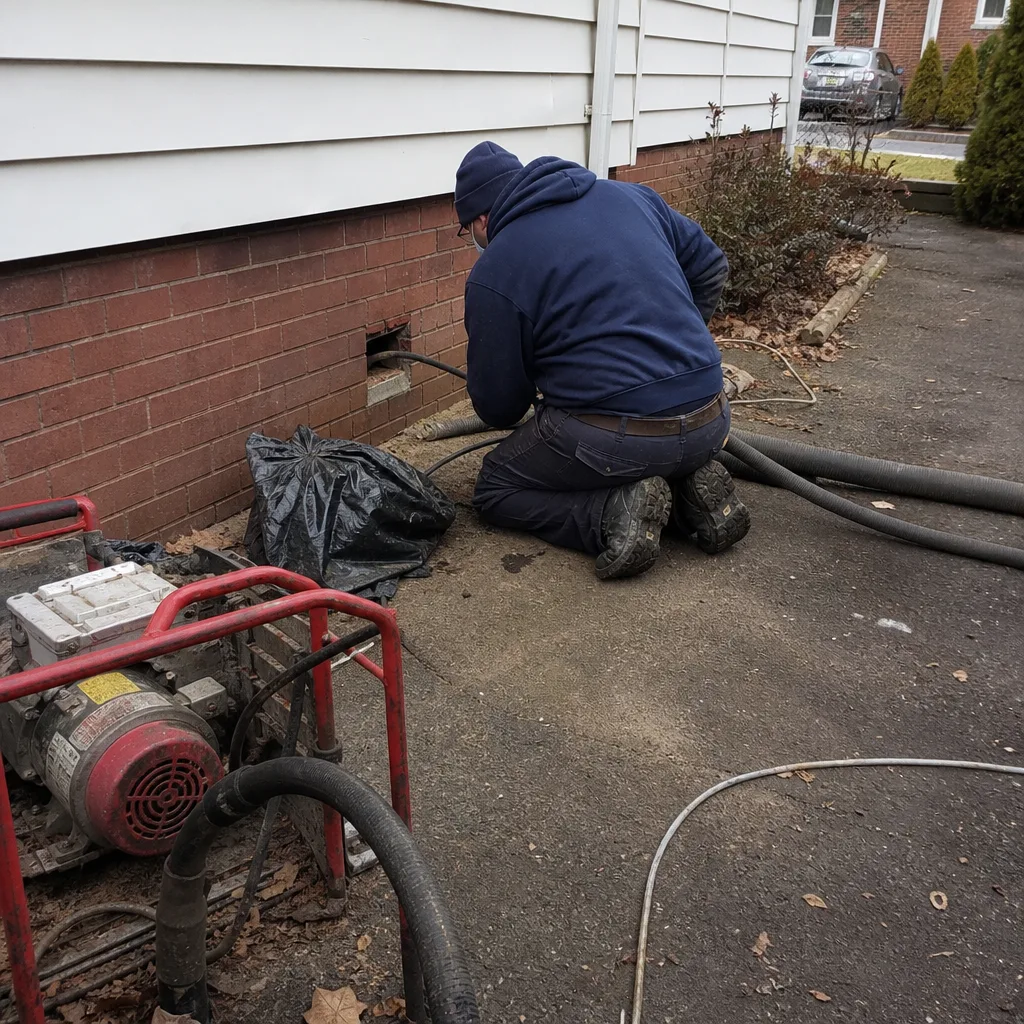 Before
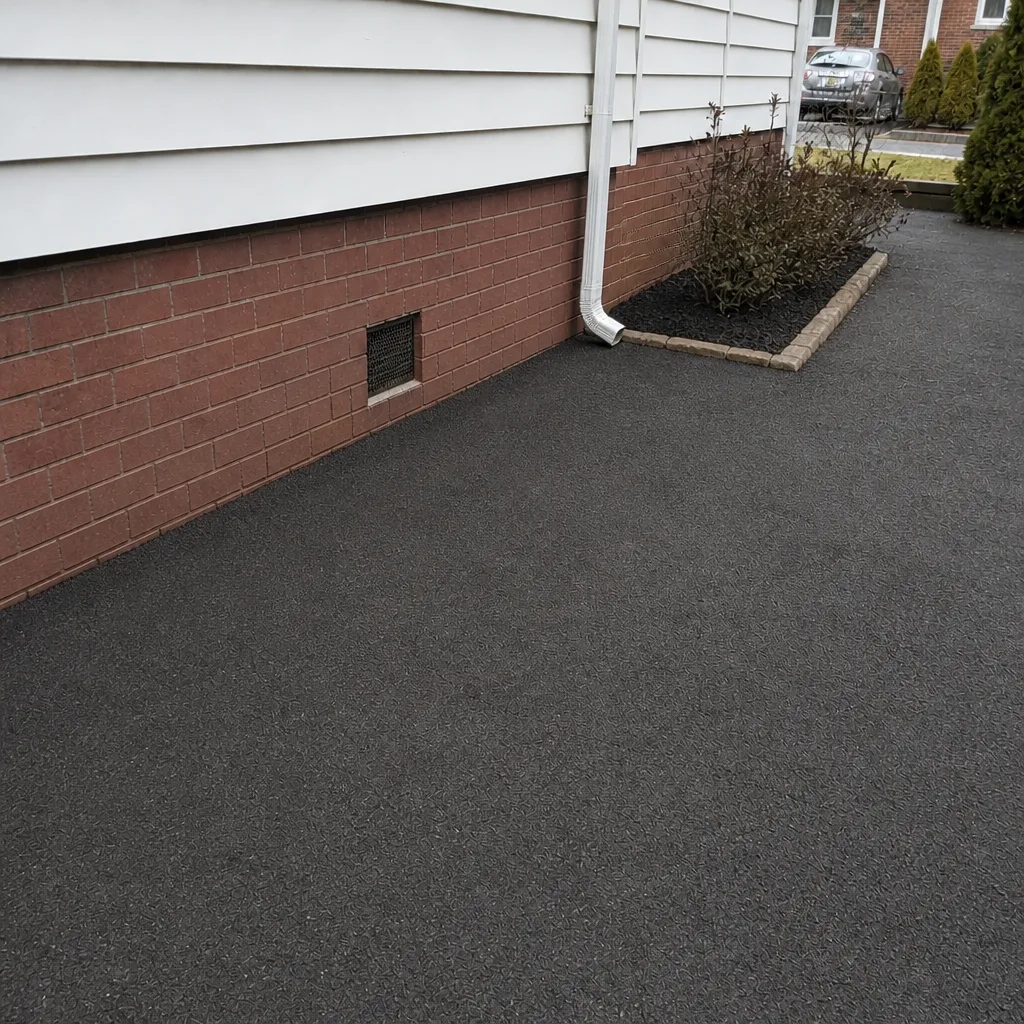 After
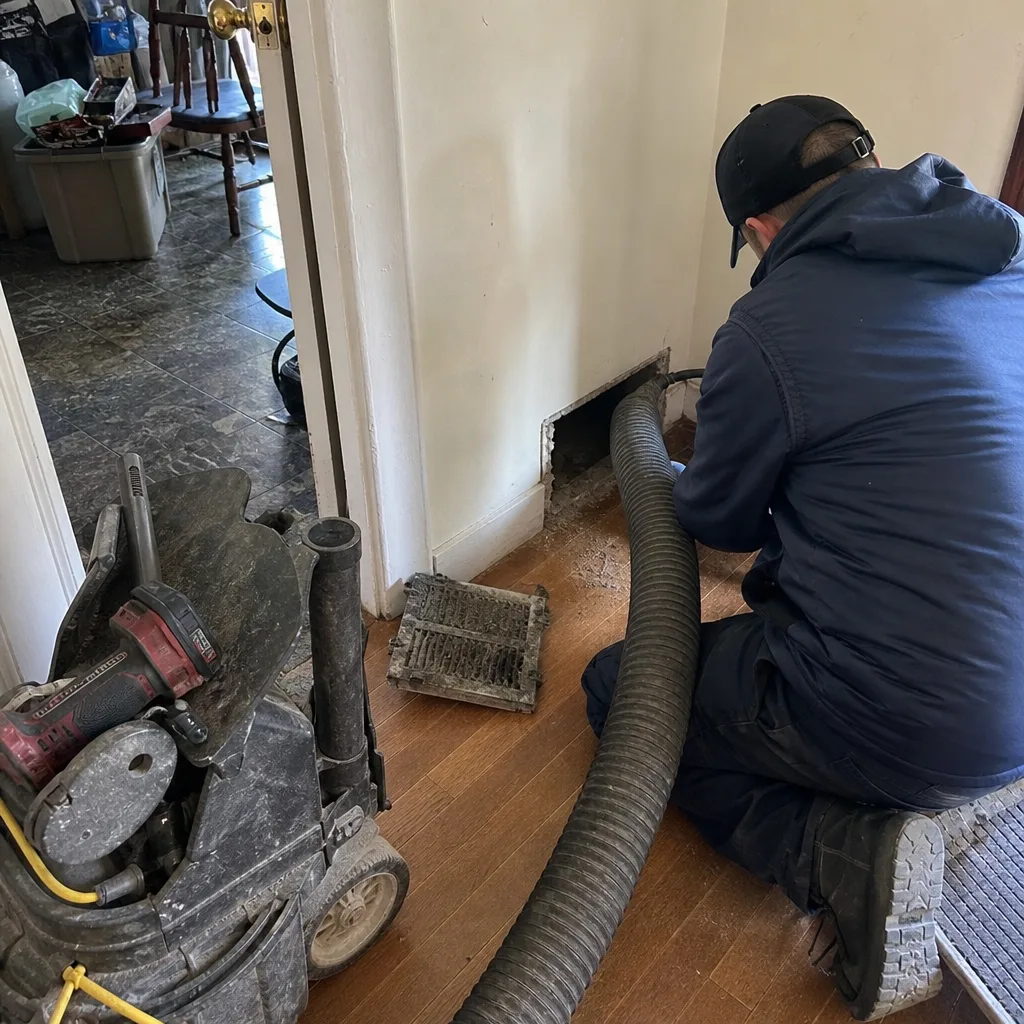 Before
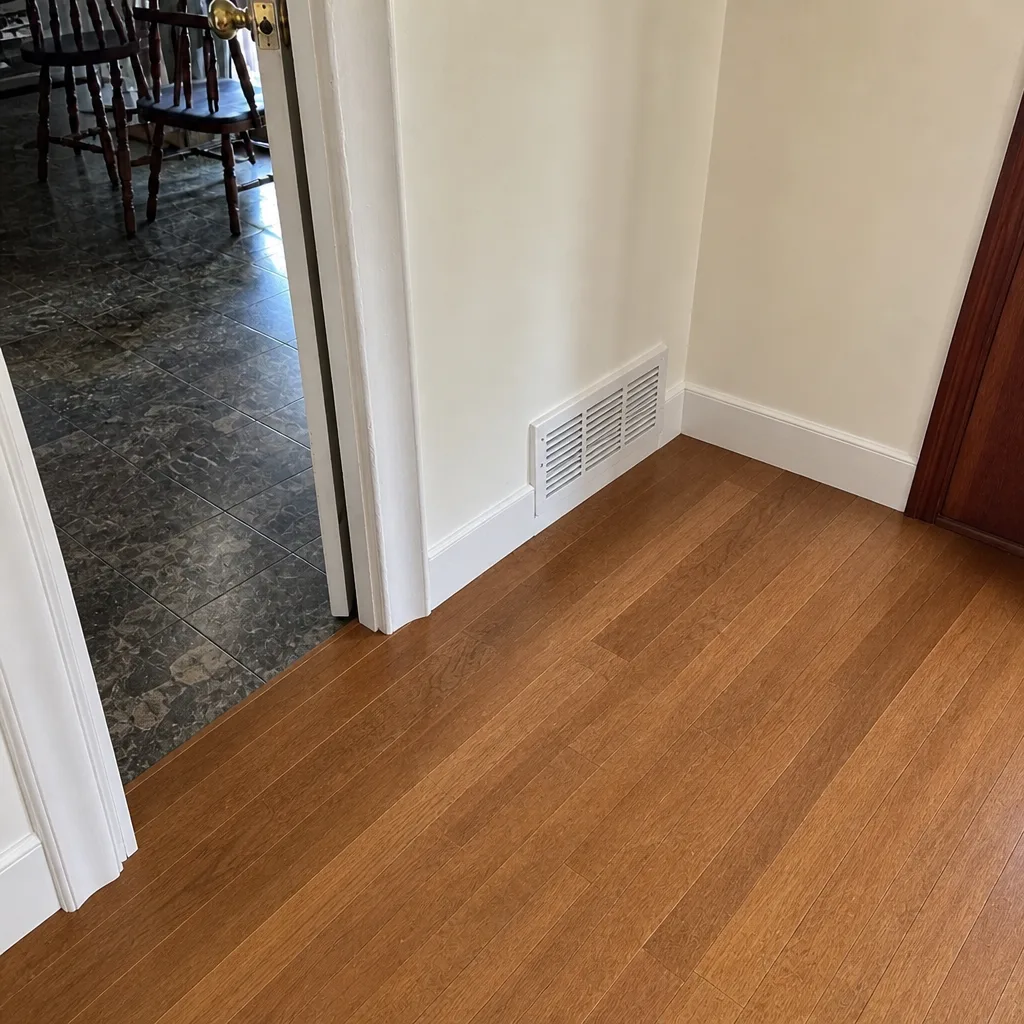 After
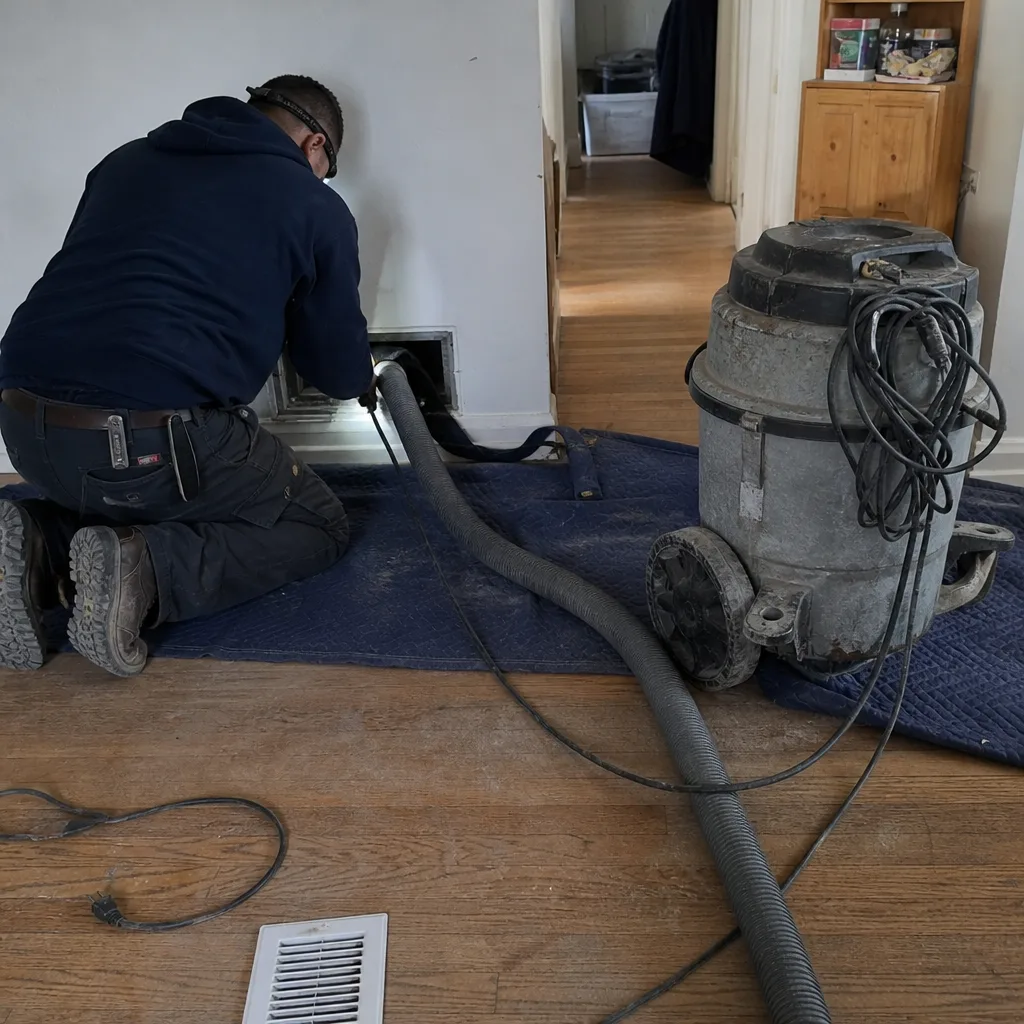 Before
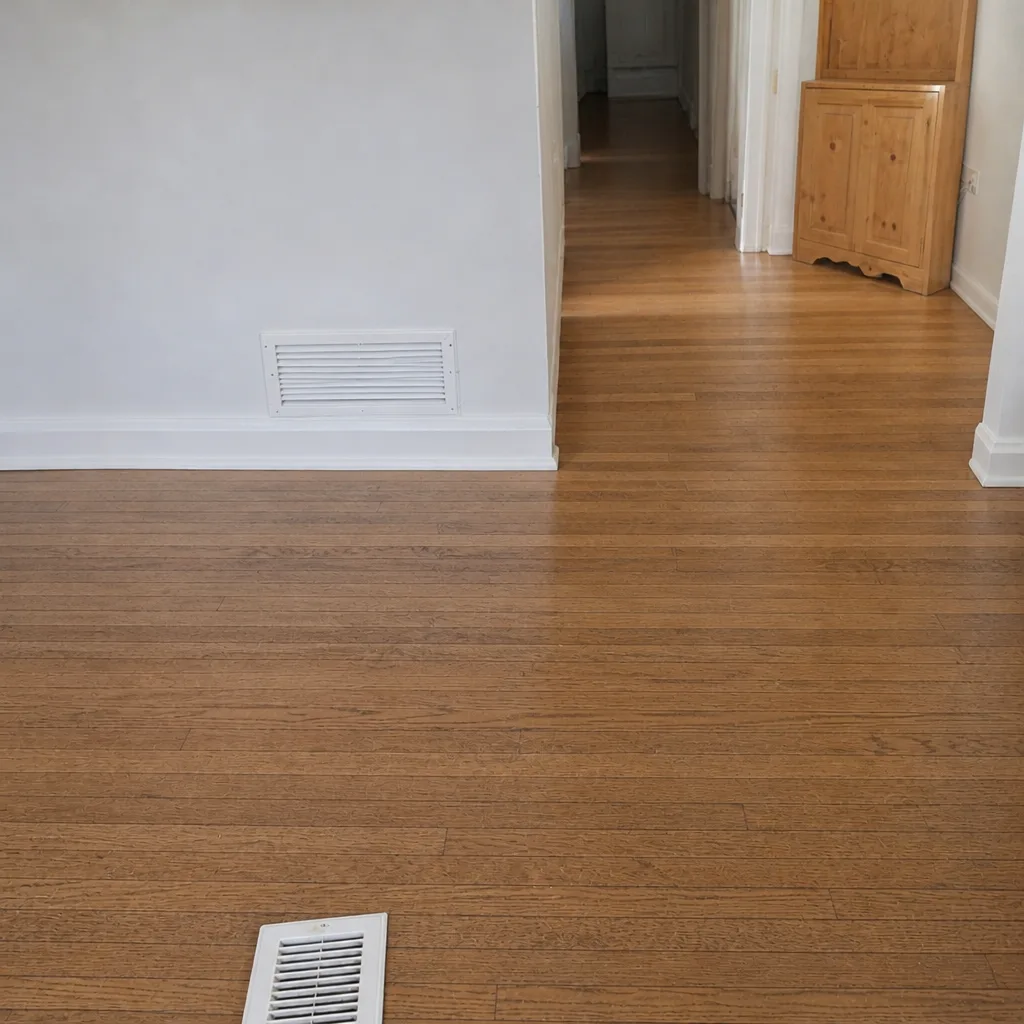 After
When to Call a Professional
Call a professional when you see dark streaking or staining at a register, when one room is consistently off by more than a couple of degrees, when a musty or stale odor appears with the HVAC, when family symptoms track with system operation, or when visible ductwork shows gaps or disconnected joints. Call immediately if you smell an acrid or burning odor, and turn the system off first. Call for dryer vent cleaning when drying times lengthen, the dryer runs hot, or the exterior flap barely opens. If a home inspection flagged ductwork, get a proper assessment of repair and sealing needs before scheduling cleaning. If you’re not sure whether your symptoms warrant a visit, an estimate is the way to find out without committing to work.
Air Duct Cleaning Parkchester offers free estimates in Parkchester. Call (855) 475-2006. We answer 24/7. Fast dispatch from 7am to 7pm, Sunday through Friday. Our technicians have up to 9 years of experience, and we run contractor-grade equipment from Rotobrush and Nikro so the extraction is real, not cosmetic.
Frequently Asked Questions
Normal dust is pale, even, and returns slowly after you wipe it off. Warning signs are dark streaking, halos of staining around the register, black or green speckling, dust that returns within days, and odors that appear only when the HVAC runs. If you have any of the second category, get an inspection. If it’s only the first category, you’re likely fine for now. Call (855) 475-2006 for a free estimate if you’re unsure which category you’re in.
Consistent room-to-room imbalance points to a physical restriction in the duct run serving that room: a crushed or disconnected run, debris buildup, or leaks upstream stealing airflow. It’s not typically a thermostat problem, because a thermostat issue affects the whole home. The duct serving that room deserves an inspection, and it’s the type of problem where repair and sealing often matter as much as cleaning. Estimates are free.
A musty smell indicates moisture and likely biological growth somewhere in the system, and it’s worth addressing promptly because moisture problems worsen over time. It’s not necessarily an immediate health emergency, but it’s a genuine indoor air quality issue, especially for allergy and asthma sufferers. Don’t cover it with air fresheners. Find the moisture source, then clean and sanitize. Call (855) 475-2006 to schedule an assessment.
Yes, if drying times have lengthened, the dryer runs hot to the touch, or the exterior flap barely opens. A partially restricted vent still works, just inefficiently, and the lint accumulation behind the restriction is a fire hazard. Dryer vent cleaning is a safety service, not a maintenance nicety. If any of those signs apply, schedule a dedicated cleaning. Call (855) 475-2006 for an estimate.
No. Cleaning removes debris, but if the system has disconnected runs, crushed sections, or unsealed boot joints, cleaning alone won’t keep it clean and won’t stop energy loss. The correct order is repair and seal first, then clean, then sanitize where needed. A contractor who proposes cleaning only, without inspecting for leaks, has skipped a step. Our estimates include an assessment of what the system actually needs.
Most homes don’t need it on a fixed schedule. Visible mold growth inside the ductwork, vermin or pest infestation, a recent water event that wetted the system, or confirmed debris accumulation all call for cleaning. Routine timing-based cleaning is a sales push more than a maintenance need, unless your household has specific triggers (allergies, pets, recent renovation). Dryer vents are different: they should be cleaned on a schedule regardless of symptoms, because the hazard builds silently. Call (855) 475-2006 for an honest assessment rather than a pitch.
The Bottom Line
Warning signs are diagnostic tools, not scare tactics. Uniform dust on a register is normal and returns over weeks. Dark streaking, staining halos, black or green speckling, persistent room-to-room temperature imbalance, odors that appear with the HVAC, and visible gaps at duct joints are the patterns that actually matter. Each points to something specific: moisture, biological growth, physical restriction, or system leakage. Reading them correctly tells you whether you’re looking at a cleaning job or a repair-and-seal job, and it tells you when to stop treating a safety issue as a housekeeping one. Get a professional assessment before you commit to work, ask for before-and-after photos so you can verify the result, and get the price set per system in writing before anything starts. That’s the value of a proper inspection: not a bigger bill, but a decision made with the right information.
For the full range of what we handle, from Air Duct Cleaning Parkchester through repair, sealing, and sanitizing, we’re glad to answer questions before you book. Call (855) 475-2006. We answer 24/7. Fast dispatch from 7am to 7pm, Sunday through Friday.
Written by the team at Air Duct Cleaning Parkchester.