
Last updated November 25, 2026
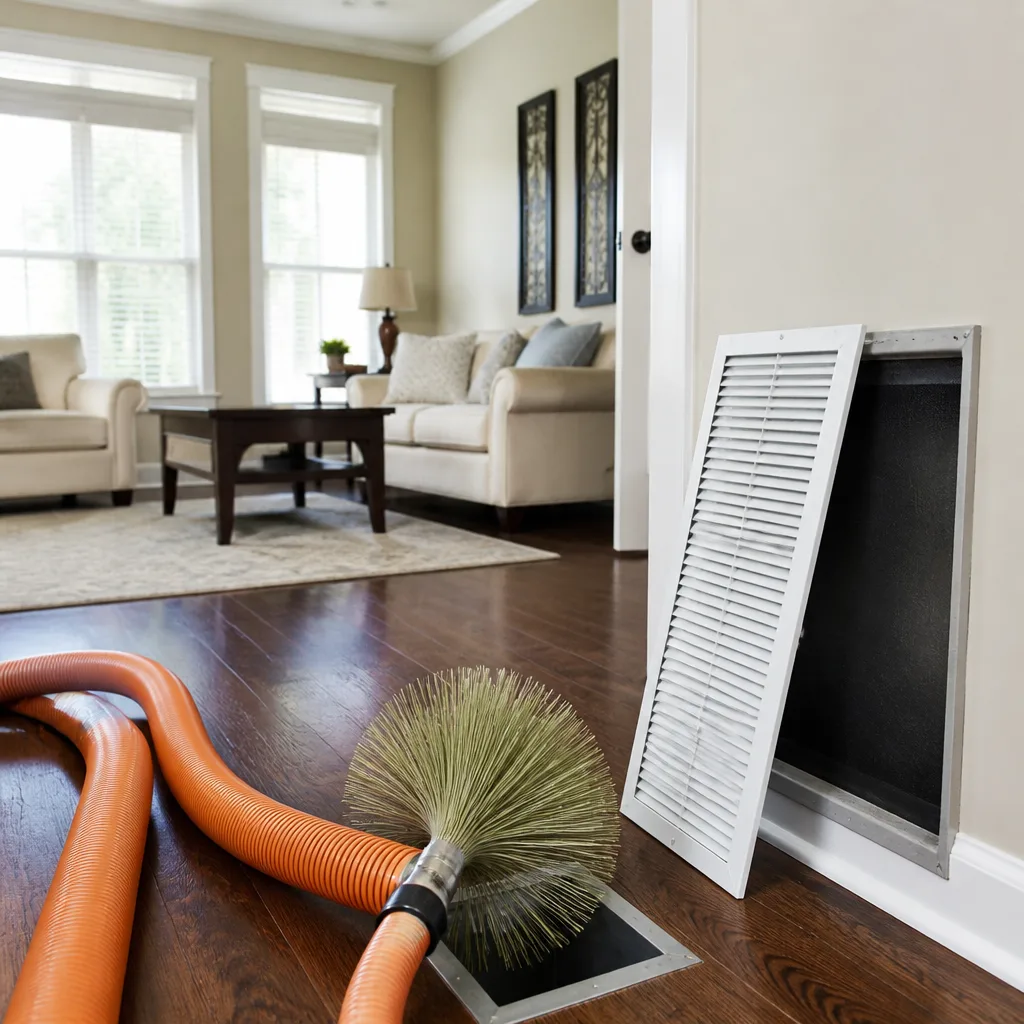 Whole-home duct cleaning
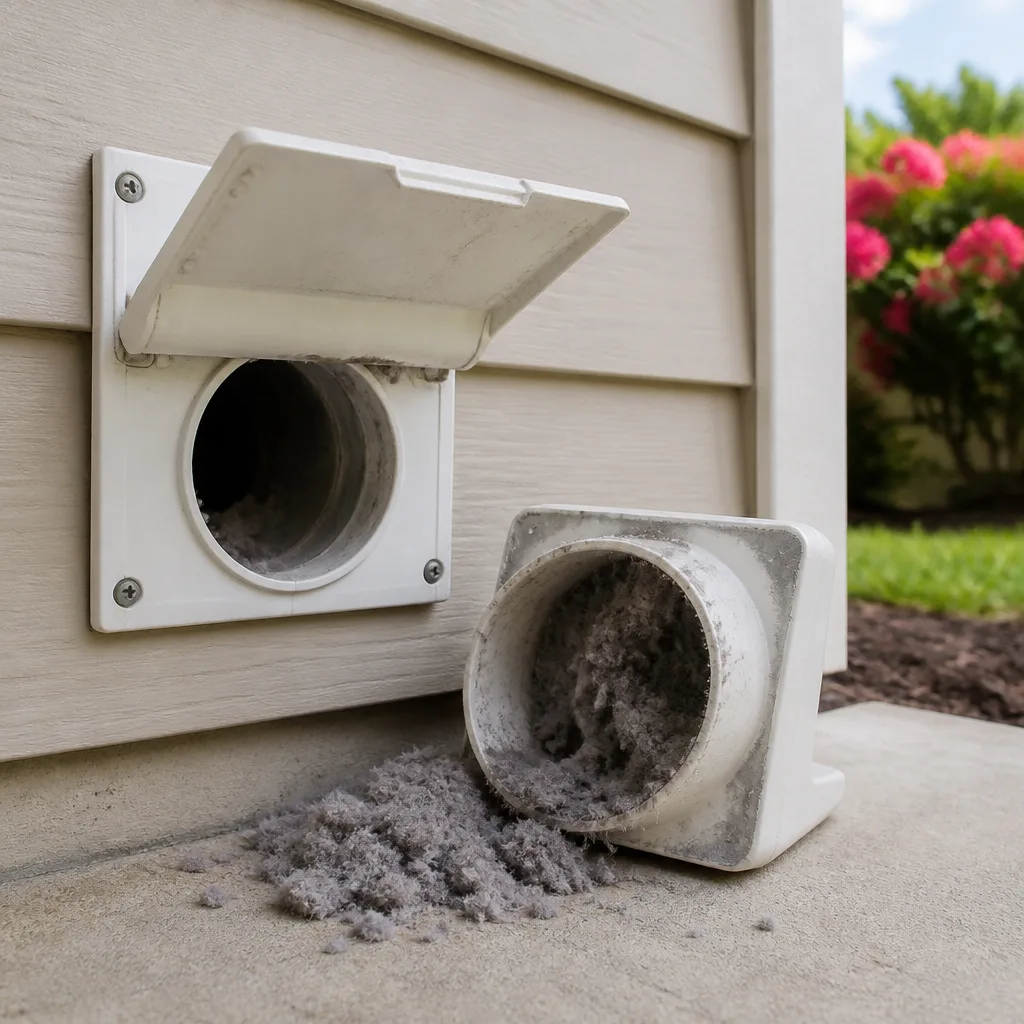 Dryer vent cleaning
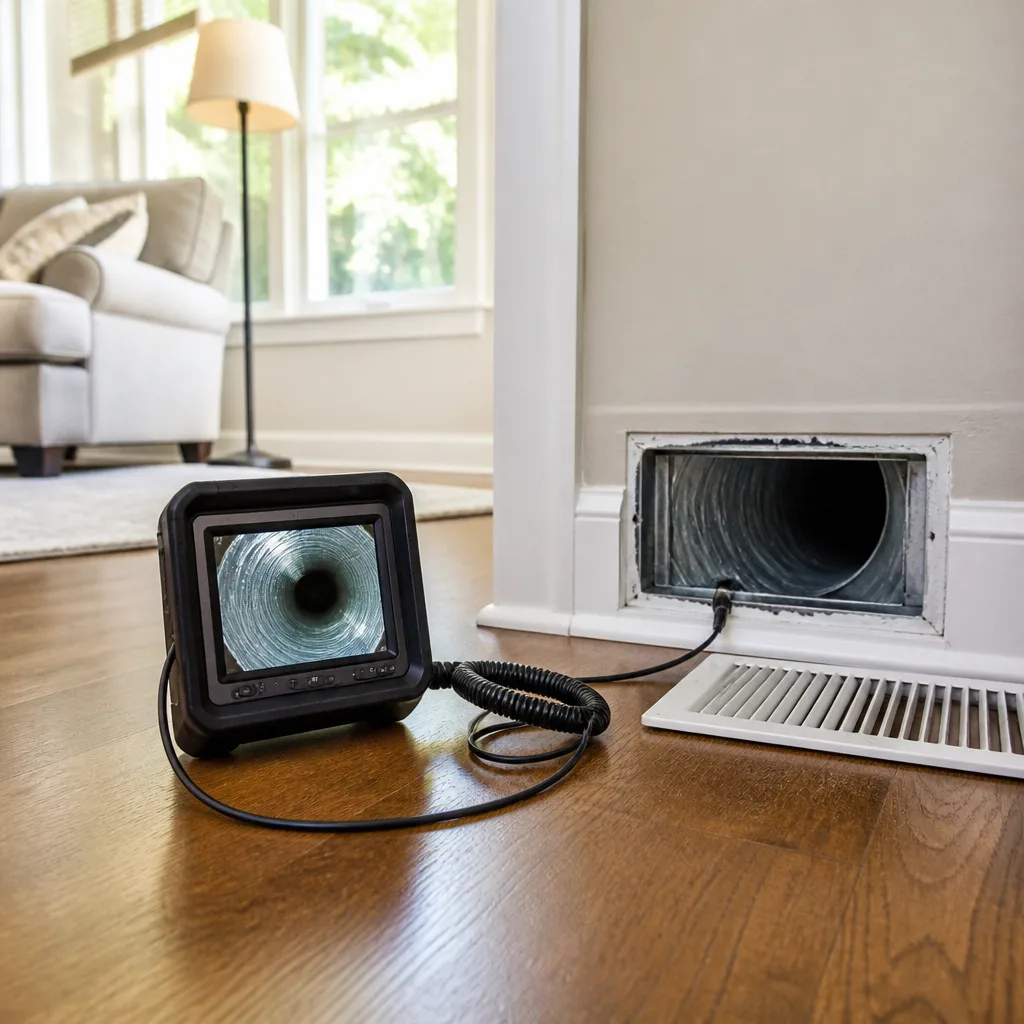 Camera inspection
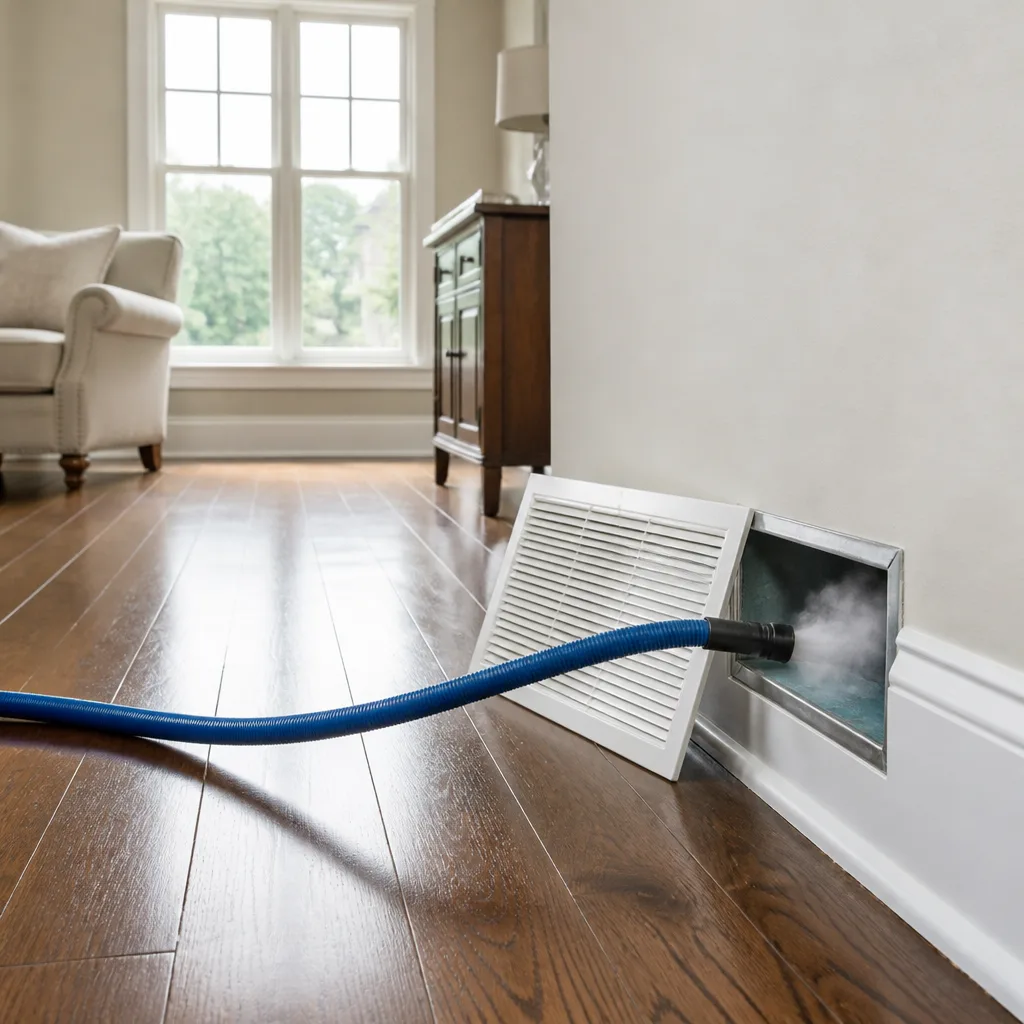 Sanitizing & deodorizing
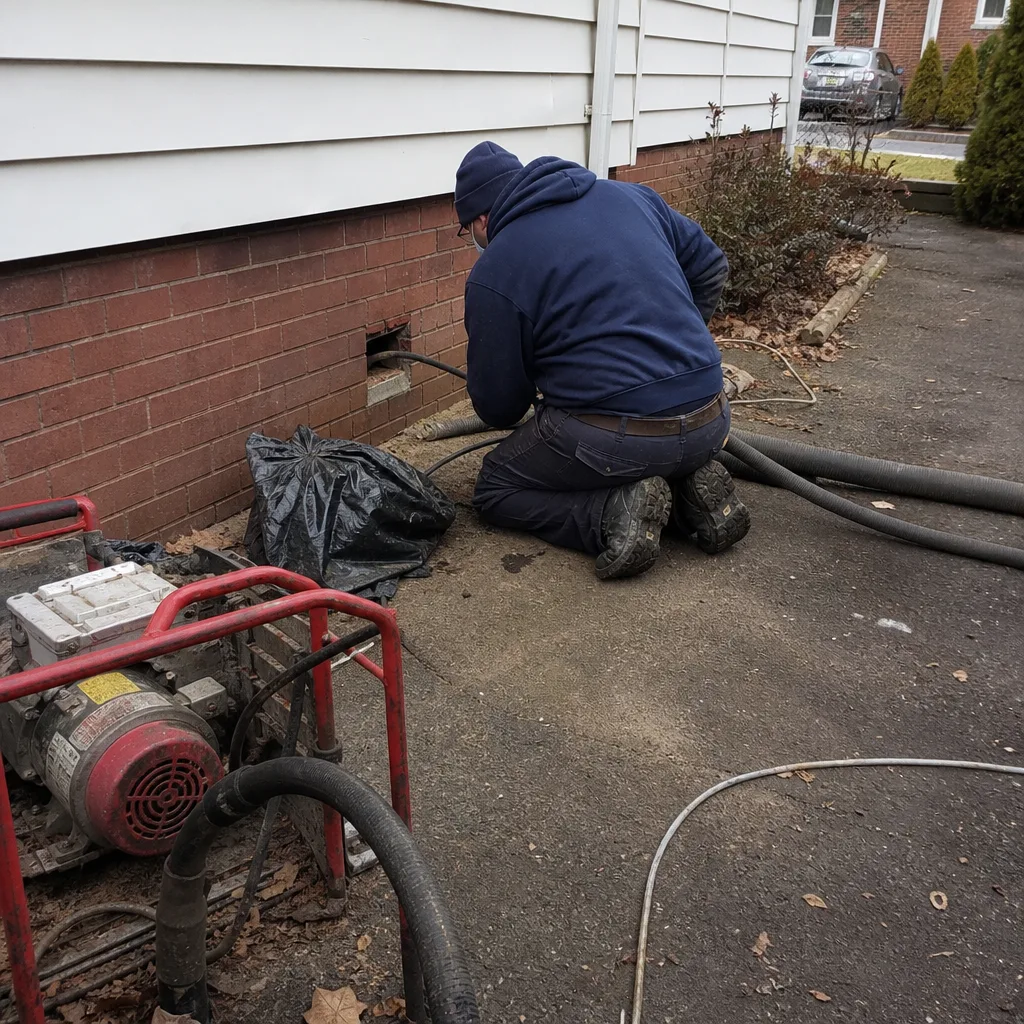
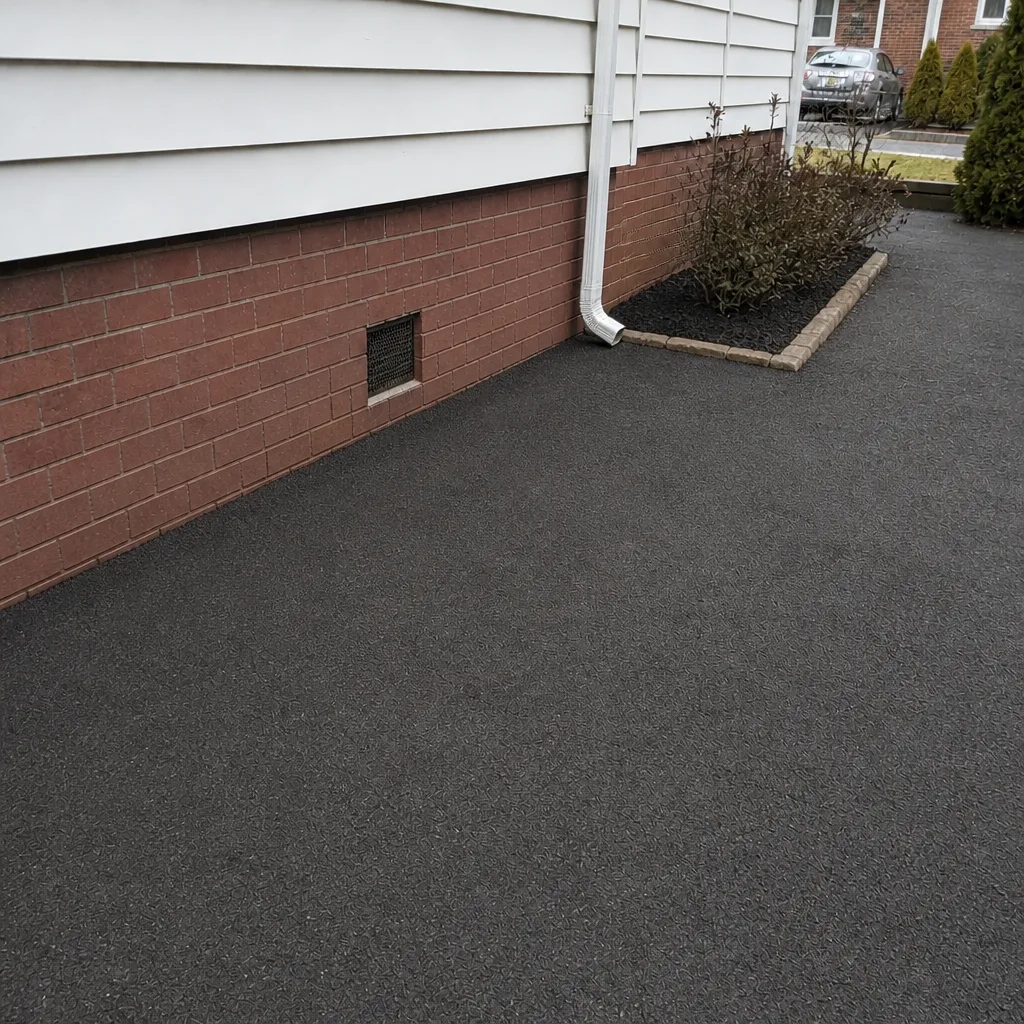
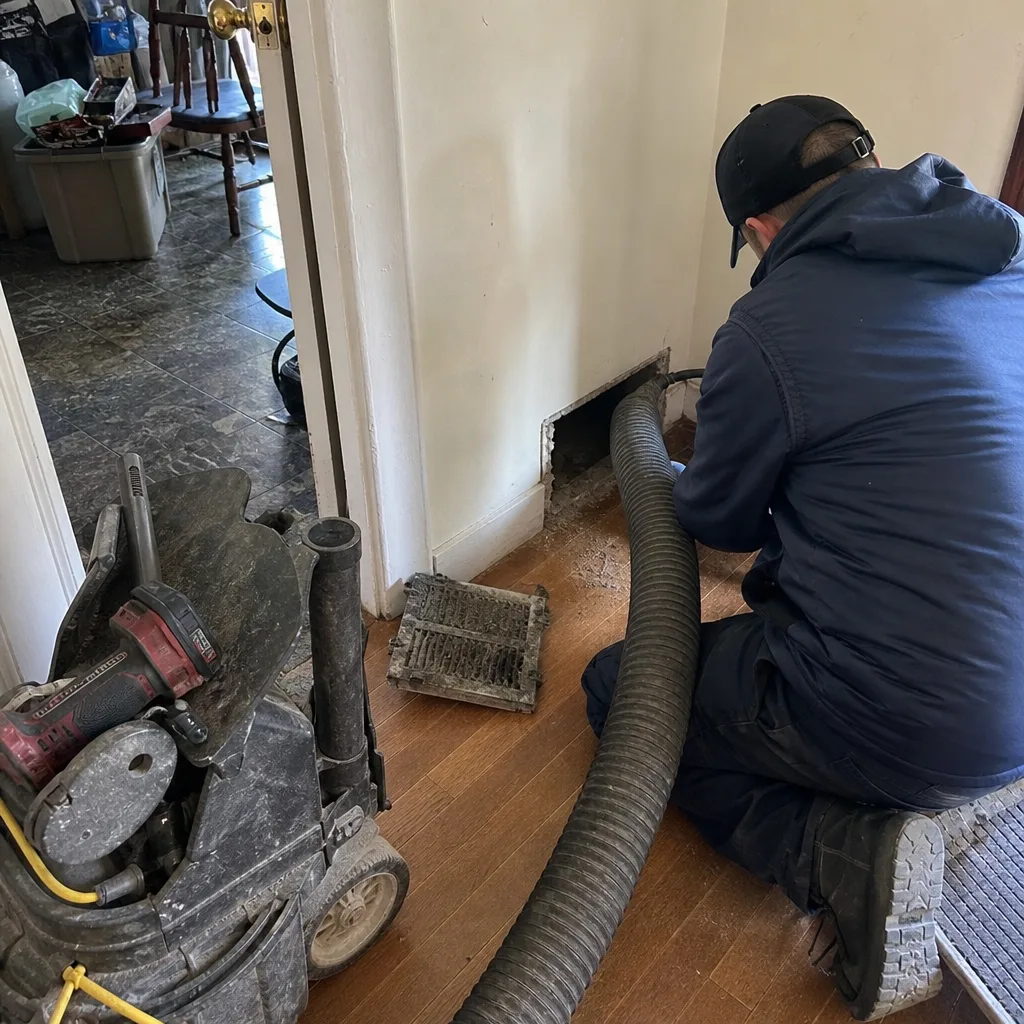
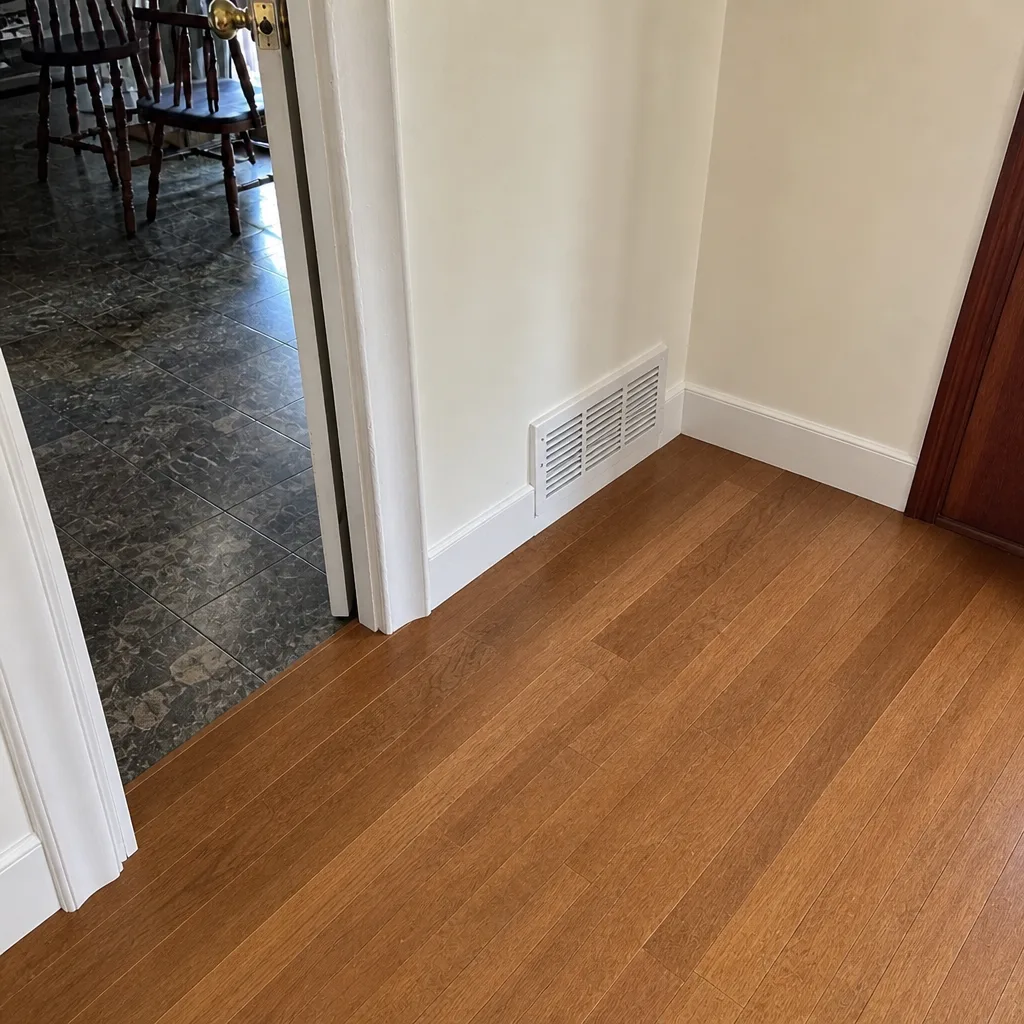
Whole-system duct and dryer vent check with before-and-after photos - you see exactly what came out of your vents
That "$99 whole-house special" is a bait ad - the real number appears once they are in your hallway, or the "clean" is a shop-vac at the register. We photograph the inside of your ducts before and after instead.
Air Duct Cleaning Emergency Preparedness Guide for Parkchester Homes
After a kitchen fire or a basement flood, most Parkchester homeowners think about the visible damage: the scorched cabinet, the soaked drywall, the ruined flooring. But the HVAC ductwork has already done its job as a distribution network, spreading smoke particulates or pulling moisture into every room the system serves. And that clock starts the moment the event happens, not the day the contractor shows up.
Not every duct emergency calls for the same response. Fire residue, flood moisture, pest intrusion, and construction dust each demand a different sequence of shutdown, containment, extraction, and repair. Get the order wrong and you multiply the scope. This guide maps each sequence so you’re not making containment decisions under pressure without a framework.
Quick Answer
In a duct emergency in Parkchester, shut the HVAC system down immediately, photograph the affected ductwork before touching anything, and call a professional before running the system again. Fire and flood events each require different decontamination sequences, and the first 48 to 72 hours after water intrusion determine whether you’re cleaning ducts or remediating mold. Never operate a system that has drawn in smoke or moisture, because every cycle re-contaminates the whole house.
Styles & brands we work with
- Whole-home duct cleaning
- Dryer vent cleaning
- Camera inspection
- Sanitizing & deodorizing
Table of Contents
- Why Duct Emergencies Play Out Differently in Parkchester
- Post-Fire Emergency Protocol: Shut the System Down First
- Post-Flood Protocol: The 48-to-72-Hour Window
- Pest Intrusion: When Cleaning Is Enough and When It Isn’t
- Post-Renovation Contamination in Older Buildings
- What Documentation to Collect for Your Insurance Claim
- Common Mistakes to Avoid
- When to Call a Professional
Why Duct Emergencies Play Out Differently in Parkchester
Parkchester is a dense, largely mid-century neighborhood in the Bronx, and that shapes how a duct emergency unfolds. A lot of the housing stock is multi-unit, which means smoke and moisture don’t respect your front door. A fire in one apartment can push smoke through shared chases and return plenums into neighboring units. A flood in a below-grade space can wick into duct runs that travel through walls and floors you never open.
Complicating matters is the building stock itself. Many Parkchester apartments and row houses were built in the decades when duct systems were assembled from galvanized sheet metal and internally insulated flexible duct. Old insulation and the porous surfaces of older ductwork hold odor and moisture longer than modern smooth metal. That’s a different cleaning problem than a newer suburban house with tight, lined ductwork.
Our climate adds its own wrinkle. Bronx summers are humid, and a duct system that took on water during a summer storm can stay damp in the cool interior of a wall cavity for days. That dampness is what feeds mold growth, and it’s why our post-flood response is timing-driven rather than just a thorough vacuuming.
The equipment matters too. A shop vacuum and a consumer brush won’t pull embedded soot from a porous duct lining or dry a saturated run before mold sets in. Contractor-grade extraction – the kind of platform professionals rely on – is the baseline for emergency work. That’s the difference between a cleaning that resolves the problem and one that simply hides it until the next cycle.
Post-Fire Emergency Protocol: Shut the System Down First
Smoke residue in a duct system is not a surface dust problem. Soot particles are microscopic and travel wherever moving air carries them. When the HVAC system keeps running after a fire, it acts as a distribution engine, coating the blower, the heat exchanger, the evaporator coil, and every branch duct with a fresh layer of acidic residue.
The single most important thing you can do after any fire, even a small kitchen fire, is to kill power to the HVAC system at the thermostat and the breaker. Do that before you open windows or start vacuuming. Every hour the system runs before shutdown extends the decontamination scope.
Here’s the sequence that emergency response follows after fire:
- Shut down the system. Turn off the thermostat and the breaker feeding the air handler. Don’t test the system “just to see” if it still works.
- Stop the air movement. Close windows and doors to limit the spread of residual smoke while the system is off.
- Document before cleanup. Photograph visible soot near supply and return registers, and any discoloration on the air handler cabinet.
- Call a professional cleaning team. Fire residue calls for specialty decontamination, not a standard cleaning visit.
- Follow cleaning with sealing. Once ducts are cleaned, accessible joints and gaps get sealed so residue doesn’t redeposit on clean surfaces.
Our full air duct cleaning process uses a Rotobrush rotary brush system paired with Nikro HEPA-rated vacuum equipment. The brush agitates soot from the duct walls, and the HEPA extraction captures particulates at the source instead of letting them recirculate into the apartment. After extraction, a sanitizing step addresses odor and microbial residue. If your fire was more smoke than flame, the same sequence applies – smoke particulate is the harder problem to fully remove.
Post-Flood Protocol: The 48-to-72-Hour Window
Flood intrusion into ductwork is a ticking problem. Mold spores can establish within 48 to 72 hours on wet surfaces, and once mold colonizes the porous lining of insulated flex duct, cleaning alone may not be enough. That’s a different failure mode than a one-time water event that dried fully within a day.
So the first question is: did the duct system actually get wet, or did the water stay on the floor? A below-grade flood can leave standing water in a supply register or a return drop without soaking the whole system. But if water reached duct runs inside walls, in a crawlspace, or in a ceiling void, you’ve got moisture intrusion to address.
What moisture intrusion looks like in a duct system, versus a one-time water event:
- Condensation on the outside of duct runs, or staining on drywall below a duct path
- A musty or damp smell from supply vents, especially the first cycle after the system restarts
- Visible water pooling in low points of a flexible duct run
- Soft, sagging, or delaminating duct insulation
- Recurring moisture in the same spot after a previous “dry out”
When those signs are present, the response needs to escalate past a standard cleaning. This is where Abatement Technologies-class equipment becomes the appropriate tool. That equipment class is used in restoration and remediation work, and it’s designed for containment and high-volume extraction in a wet, contaminated environment – a different job than cleaning dry ductwork in a healthy home.
The sequence after flood:
- Shut the system off the moment water is suspected in the duct path. Running it pulls damp air through the whole house and accelerates microbial growth.
- Document moisture with photos and, if possible, a humidity reading from a moisture meter.
- Address the water source with your plumber or restoration contractor before cleaning starts. Cleaning wet ductwork is wasted effort.
- Call for inspection and assessment. Not every flooded duct needs to be replaced, but every flooded duct needs to be inspected.
- Clean, dry, and sanitize. Water needs to be gone before cleaning, and cleaning needs to happen before the system resumes normal operation.
For whole-house flood recovery that includes the air handler, coil, and blower, the process is closer to full HVAC cleaning than a duct-only job. That’s often the smarter call in a flood because contamination tends to be distributed across components.
Pest Intrusion: When Cleaning Is Enough and When It Isn’t
Rodents, squirrels, birds, and insects get into duct systems through roof vents, unsealed penetrations, and gaps around outdoor condenser lines. The discovery moment feels the same – a scratching noise, a musty smell, droppings near a register – but the response differs. Containment and clean is the right answer in some cases. Mechanical duct repair before cleaning is effective is the answer in others.
Here’s how to tell the difference:
Containment-and-clean applies when: the infestation is recent and small, no nesting material has collapsed into duct runs, and the ductwork itself shows no visible damage. The work is sealing entry points, extracting debris and droppings, sanitizing, and verifying with a post-clean inspection.
Repair-before-clean applies when: duct sections are crushed, torn, disconnected at joints, or sagging under the weight of nesting material. In those cases, a cleaning pass just agitates debris into a broken system. Sealing gaps in the ductwork comes first, so the cleaning actually reaches the surfaces it’s meant to.
Parkchester rowhouses and multi-unit buildings often have long, interrupted duct runs that pass through shared walls and utility chases. That makes pest entry points harder to trace and increases the chance that a small problem has extended beyond the unit where it was first noticed. A professional inspection that maps the whole system catches that.
Once the repair is done, cleaning, and a sanitizing pass close out the sequence. The point isn’t just to remove contamination – it’s to leave the ductwork sealed so the same entry point doesn’t open the door for the next animal.
Post-Renovation Contamination in Older Buildings
A Parkchester renovation produces a very specific kind of duct contamination. Any project that involves cutting into walls or ceilings in older construction generates fine dust that contains plaster, drywall, sawdust, and sometimes paint dust from layers that predate modern standards. The composition is the important part – old finishes may include lead-based paint residues, and some legacy materials in older buildings may contain asbestos.
That’s where a lot of generic “post-renovation duct cleaning” advice falls short. A standard cleaning protocol for modern construction dust is not the same as a protocol for material that may have health consequences when disturbed. In older Parkchester buildings, the practical approach is to suppress dust during the renovation, and then clean the HVAC system thoroughly once the project wraps – not in the middle of it.
The sequence after a renovation:
- Seal all supply and return registers before demolition starts. If the renovation is already underway, seal remaining openings now.
- Shut the HVAC system off during heavy dust phases. Running the system during sanding or demolition pulls dust into every branch duct.
- After the last coat of paint and the final clean-up, run the system briefly to confirm working order. Then shut it off again for cleaning.
- Call for professional cleaning, not a consumer vacuum job. The goal is extraction from the full system, not just visible dust from the registers.
- Ask about duct repair and sealing. Retrofits and renovations often expose joints that need sealing to prevent air leakage that continuously pulls unfiltered air in from wall cavities.
Post-renovation is also a good time to think about upgrades that outlast the cleaning. Integrating a filtration upgrade like a Honeywell or Aprilaire filter in the air handler, or a whole-home humidity solution, makes the system itself better at handling the next dust event. That’s part of the reason we think of air quality as a full cycle rather than a one-visit job.
What Documentation to Collect for Your Insurance Claim
Insurance claims for duct remediation live or die on documentation. The adjuster wasn’t in the unit when the fire started or the water came in, so they need a record that substantiates the scope of work. The strongest claims are backed by pre-remediation evidence, professional readings, and service records.
Here’s what to collect, ideally before any cleaning begins:
- Pre-remediation photos of every visible duct register, the air handler cabinet, and any discolored wall or ceiling near a duct path.
- Photos of the event source – the burned area, the flooded area, the point of pest entry.
- Written notes on the date and time of the event, when the HVAC system was shut off, and what you observed before and after.
- Air quality readings or moisture readings from the assessment visit. These substantiate that a professional scope was warranted.
- Equipment records from your cleaning contractor – what equipment class was used, what sequence was performed, and what sanitizing products were applied.
- Before-and-after documentation of the cleaned ductwork itself.
If the ducts need repair or sealing as part of the remediation, the repair scope should be documented separately – repair and sealing can sometimes be claimed under a different line than cleaning or sanitizing. A written estimate from your contractor covering each part of the scope is the document the adjuster will lean on most. For broader whole-home coverage context – we can work with your insurer’s preferred scope of work without issue. We just need the paperwork.
Common Mistakes to Avoid
- Running the HVAC system “to check it.” After a fire or flood, every cycle distributes residue further. Shut it off at the breaker and leave it off until the assessment is done.
- Delaying the call past 48 hours. In a wet-duct scenario, the mold window closes fast. Two days of hesitation can turn a cleaning job into a removal-and-replacement job.
- Hiring a duct-only vendor for a fire or flood job. Emergency remediation calls for contractor-grade extraction and, in wet-duct scenarios, remediation-grade equipment. A standard cleaning visit isn’t built for this.
- Cleaning dirty, leaking ducts without sealing them. A cleaning pass on unsealed joints pulls unfiltered air back into the clean system within weeks. Clean, seal, and sanitize is the sequence that holds.
- Forgetting the dryer vent. Lint accumulation in a dryer vent is a leading household fire cause. After a fire impact, inspections, or renovations, have the dryer vent inspected and cleaned as its own safety service.
- Skipping documentation until after cleanup. Insurance claims need photos, moisture readings, and equipment records from before any work began. Take them early, not after the extraction truck leaves.
- Using a shop vacuum on old-building dust. Fine dust from a Parkchester renovation coats the whole system. A consumer vacuum stirs it up more than it removes it, and it won’t capture particulates at the source.
When to Call a Professional
Call a professional immediately after any of these:
- A fire or kitchen fire of any size where the HVAC system was running during the event.
- Water intrusion that reached a duct run, a return drop, or the air handler.
- Any sign of animal or pest activity inside a duct, especially droppings near a register.
- A home inspection or renovation wrap-up that flagged dust, contamination, or duct damage.
- Persistent musty odor, worsening allergies, or visible dust streaming from supply registers after a known event.
Air Duct Cleaning Parkchester offers free estimates in Parkchester – call (855) 475-2006. We answer 24/7. Fast dispatch from 7am to 7pm, Sunday through Friday. Our technicians have up to 9 years of experience, and we can walk through the post-event sequence with you on the phone before you start moving anything. One flat price per system is agreed before work starts, and we document before-and-after photos for your records and your insurance claim.
If the problem turns out to be a failing dryer vent rather than the main HVAC ducts, our dryer vent cleaning service addresses that risk directly. And for the full picture of what we do, see our air duct cleaning in Parkchester service overview.
See the difference
 Before
 After
 Before
 After
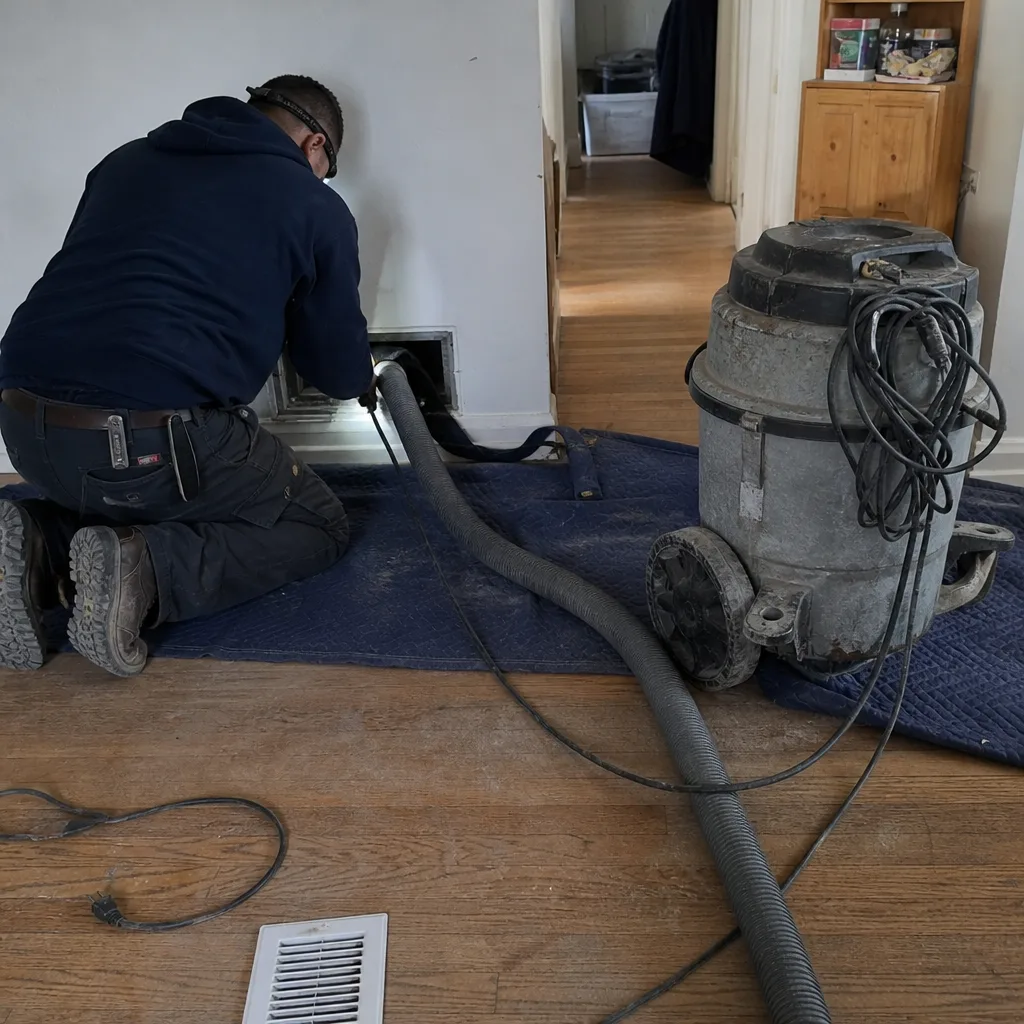 Before
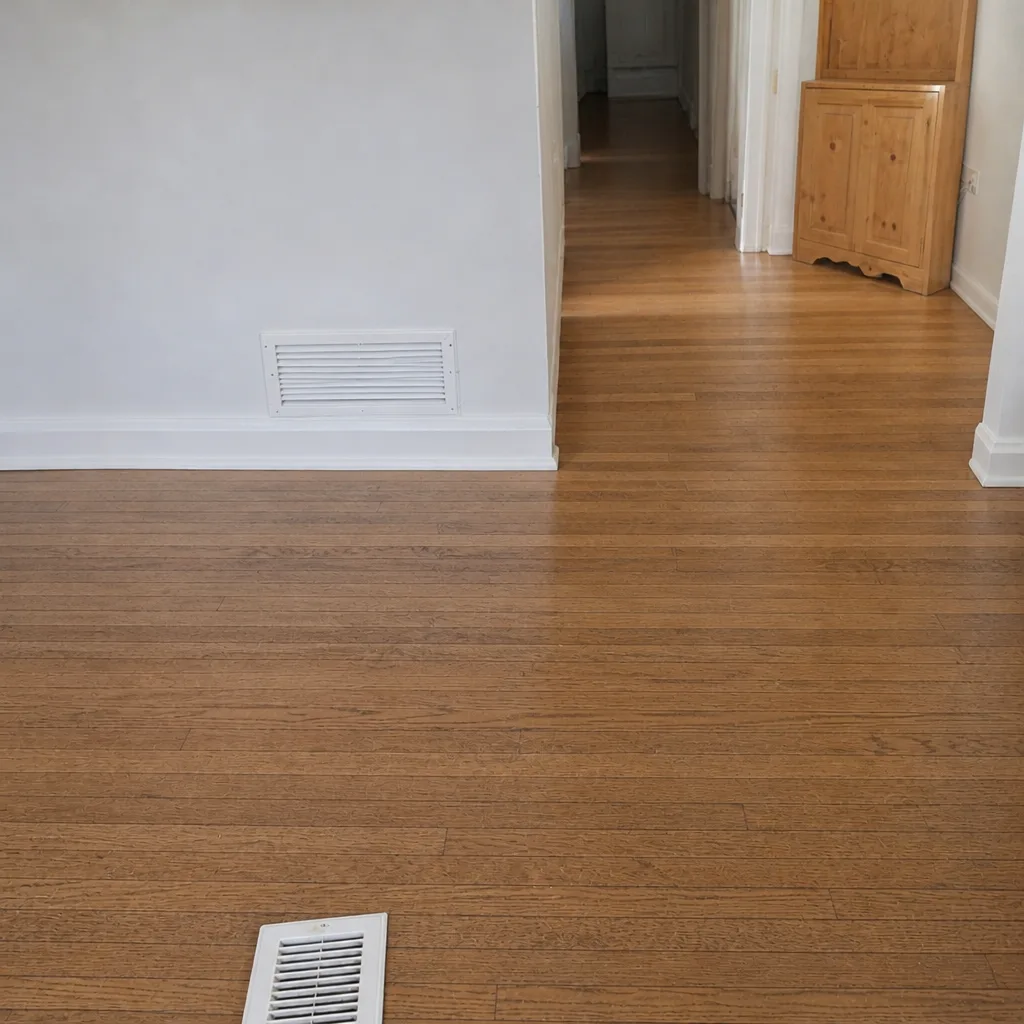 After
Frequently Asked Questions
As soon as the fire is out and the HVAC system has been shut off, call for an assessment. The sooner the extraction happens after shutdown, the less residue settles into porous surfaces. If the system ran for a day before you realized it was contaminated, the cleaning scope gets larger, but a professional extraction still resolves it. Call (855) 475-2006 for an exact quote – estimates are free.
Yes. Mold can establish in 48 to 72 hours on wet porous surfaces, and older insulated flex duct in Parkchester apartments is a common host. That’s why shutting the system down and getting a moisture assessment early matters. If you wait a week, the response changes from cleaning to removal and replacement in the affected sections. Call (855) 475-2006 for exact quote – estimates are free.
Usually not. Most pest scenarios are contained, cleaned, and sanitized. Replacement or repair is the answer only when duct sections are crushed, torn, or disconnected. A professional inspection that maps the whole system tells you which scenario you’re in before any cleaning begins.
It depends on the scope, but standard cleaning runs in the $350 to $700 range for a typical apartment or row house, while post-fire or post-flood restoration with sanitizing and sealing runs in the $700 to $1,500 range because of the extra extraction passes and repair work. We set one flat price per system after the assessment, agreed before any work starts. No per-vent pricing, no surprise invoice when the truck is at the curb. Call (855) 475-2006 for an exact quote – estimates are free.
Because the equipment and the sequence differ. A low quote usually reflects a shop vacuum and a surface brush, which won’t extract soot from a porous duct lining or capture particulates at the source. Contractor-grade extraction with Rotobrush and Nikro HEPA equipment is in a different class. And a low quote typically doesn’t include sealing, sanitizing, or documentation – the parts of the job that actually hold. Ask any vendor what equipment they use and whether sealing and sanitizing are included. Call (855) 475-2006 for an exact quote – estimates are free.
Ask for before-and-after photos of your own ductwork, not stock photos. Only a camera-inspection and post-clean verification on your system proves the sequence was completed. We walk you through the photos at the end of the visit. Call (855) 475-2006 for an exact quote – estimates are free.
Every two to three years is the general rule for a healthy system, and sooner after any of the emergency events discussed in this guide – fire, flood, pest intrusion, or major renovation. If anyone in the household has allergies or asthma, or if you’ve recently moved into a Parkchester building you haven’t lived in before, having the ducts inspected is worthwhile regardless of when the last cleaning happened.
The Bottom Line
Duct emergencies aren’t one response, they’re four. Fire calls for immediate shutdown and specialty decontamination. Flood is a time-boxed problem, and 48 to 72 hours is the window that decides whether you’re cleaning or replacing. Pest intrusion is a containment-versus-repair decision that an inspection resolves. Renovation is a documentation and extraction sequence for dust that may include material from decades of older building finish. In every case, shutting the system down stops the spread, documenting before cleaning protects your claim, and contractor-grade extraction is the baseline for real remediation. Clean it, seal it, and sanitize it – in that order.
Air Duct Cleaning Parkchester handles post-fire and post-flood assessment, air duct cleaning with contractor-grade equipment, duct repair and sealing to close the gaps a standard cleaning leaves open, and sanitizing to address odor and microbial residue. Call (855) 475-2006. We answer 24/7. Fast dispatch from 7am to 7pm, Sunday through Friday. Free estimates, one flat price per system agreed before work starts, and before-and-after photos of your ducts to document the job.
Written by the team at Air Duct Cleaning Parkchester.