
Last updated November 25, 2026
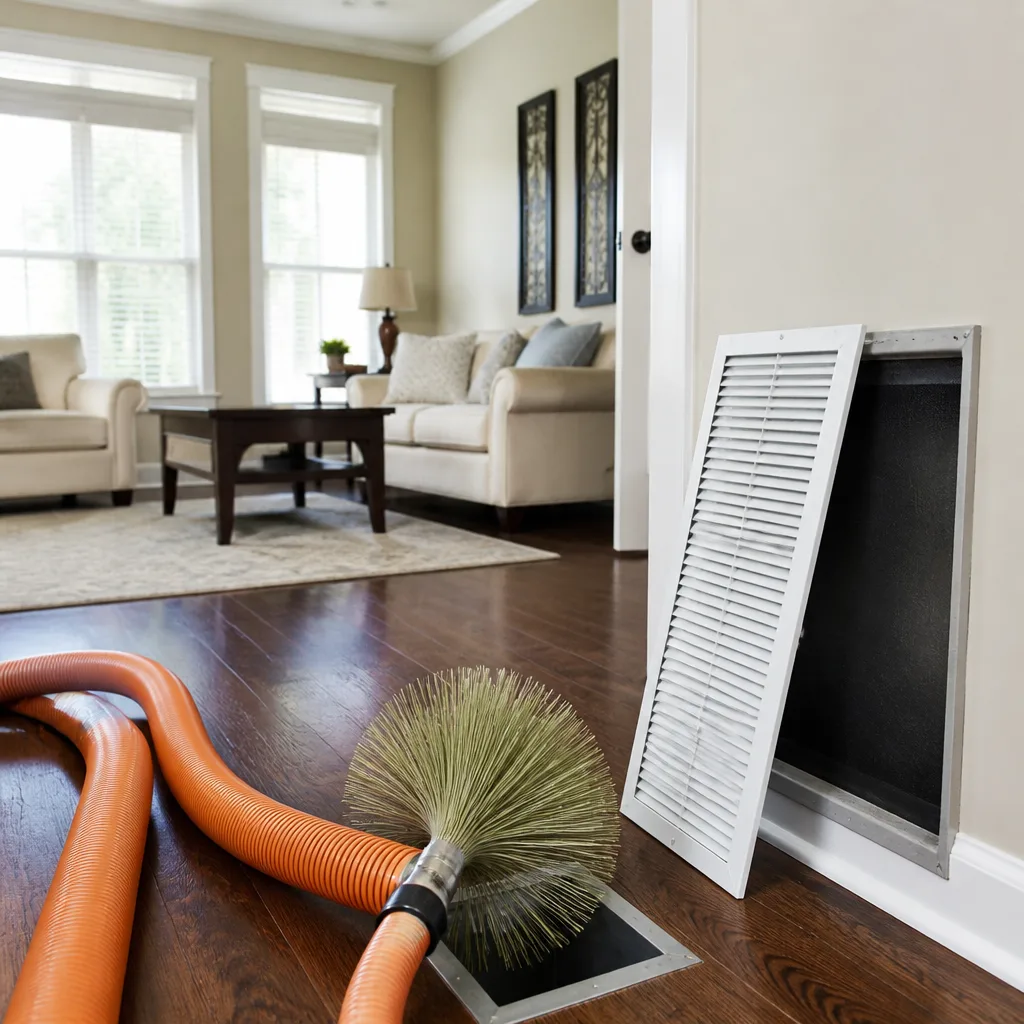 Whole-home duct cleaning
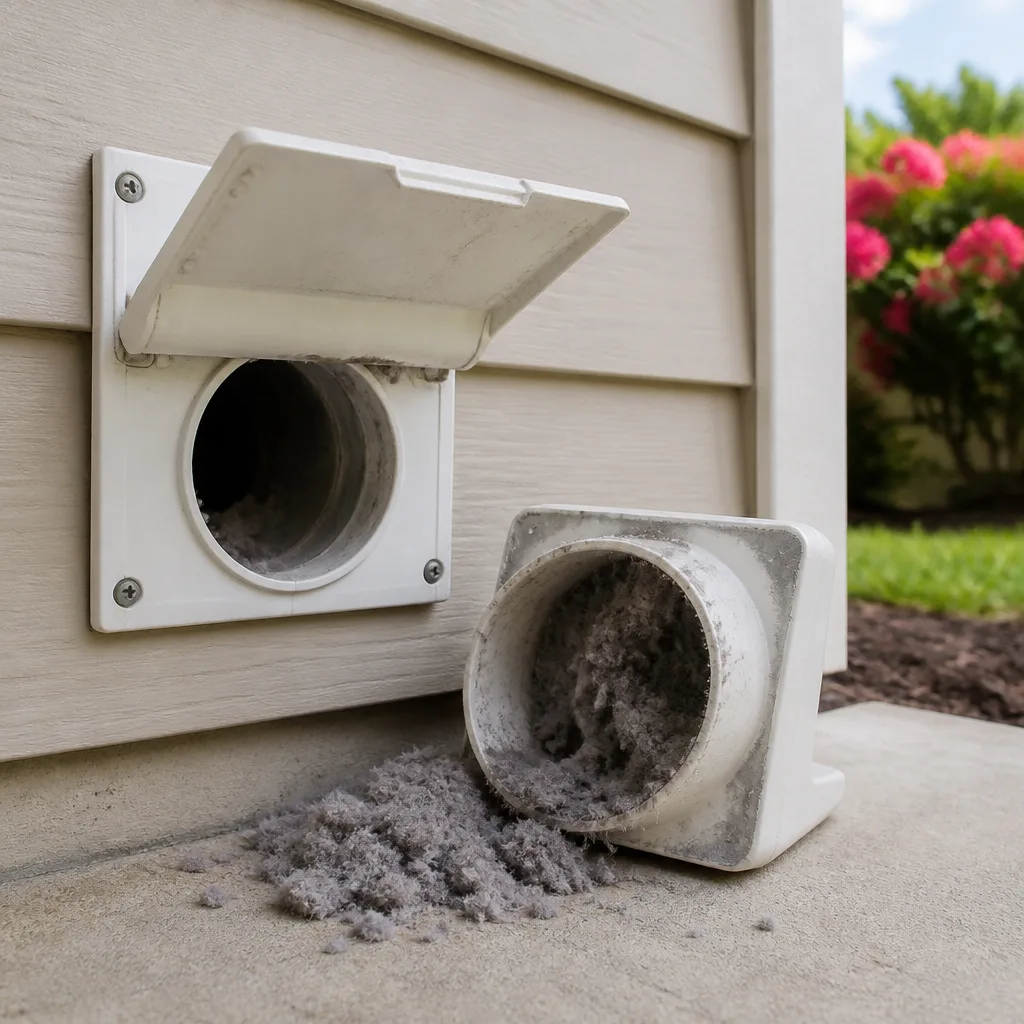 Dryer vent cleaning
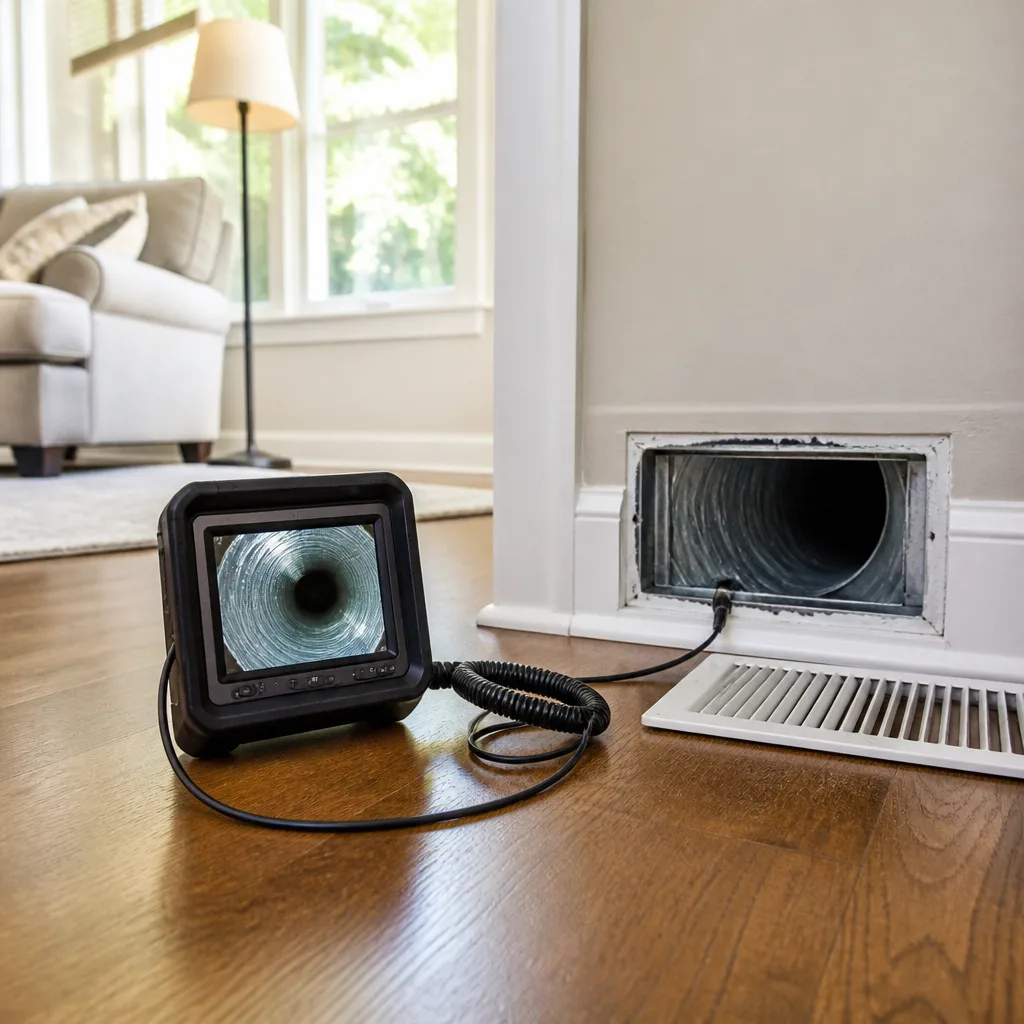 Camera inspection
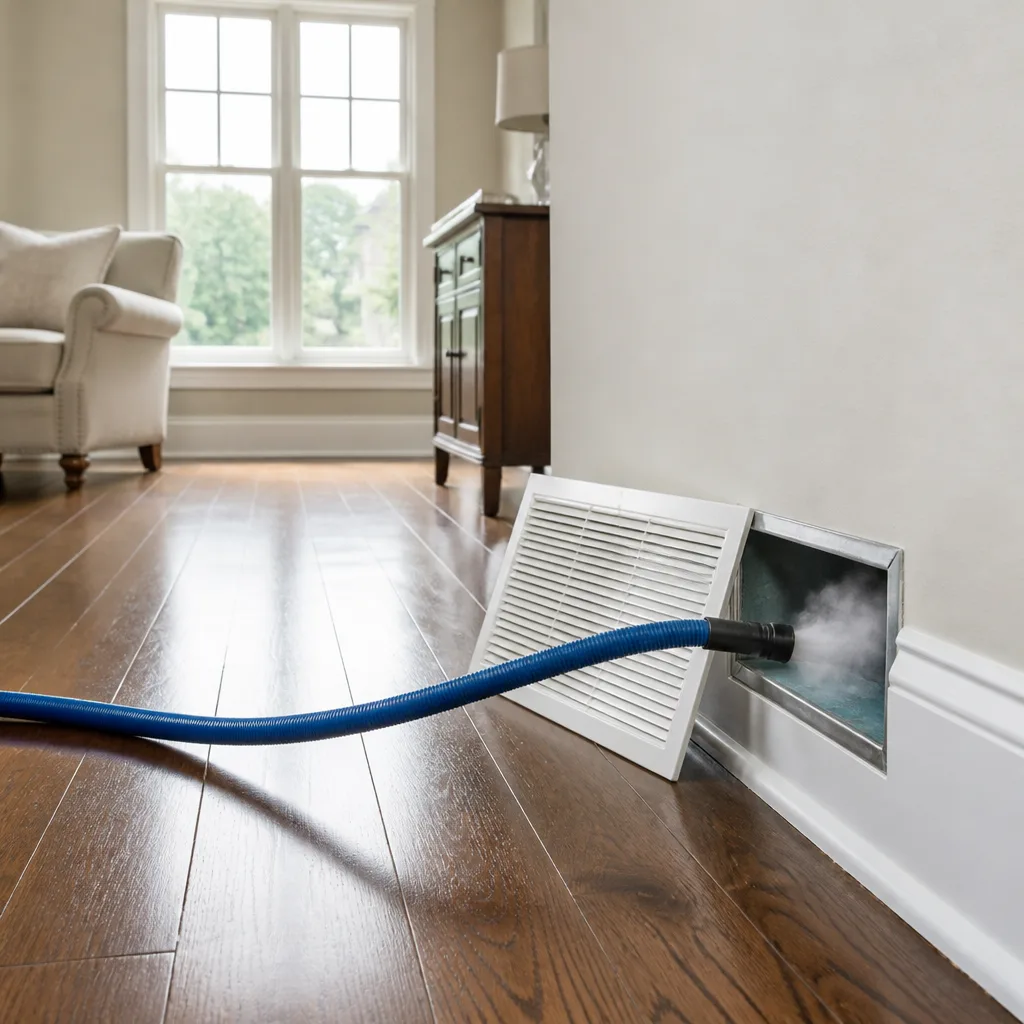 Sanitizing & deodorizing
Whole-system duct and dryer vent check with before-and-after photos - you see exactly what came out of your vents
That "$99 whole-house special" is a bait ad - the real number appears once they are in your hallway, or the "clean" is a shop-vac at the register. We photograph the inside of your ducts before and after instead.
Air Duct Cleaning Permits, Codes & Inspections in Parkchester, NY: What You Need to Know
No permit is required to clean a duct. That’s the part everyone gets right. The part that catches homeowners off guard is what happens next: the moment a contractor cuts into your trunk line to reach a blockage, or screws an access panel into the plenum, the job stops being cleaning and crosses into mechanical work. In Parkchester, where most of the housing is co-op and condo stock built around shared mechanical systems, that line matters because it decides who is allowed to do the work, who is responsible for it, and what paperwork protects you if something goes wrong later. This guide lays out where the permit threshold sits under New York City’s mechanical rules, how building class shapes responsibility, and exactly what documentation to demand after any duct job.
Quick Answer
Routine air duct cleaning in Parkchester does not require a permit from the NYC Department of Buildings. Duct repair, sealing that involves new materials or penetration of the building assembly, and any modification of the mechanical system generally do fall under DOB mechanical code review and typically require a licensed mechanical contractor and a filed permit. Which category your job lands in depends on whether the work is removal of debris or alteration of the system itself.
Styles & brands we work with
- Whole-home duct cleaning
- Dryer vent cleaning
- Camera inspection
- Sanitizing & deodorizing
Table of Contents
- Where the Permit Line Sits: Cleaning vs. Repair vs. Modification
- How R2 Occupancy Shapes Responsibility in Parkchester Co-ops and Condos
- Licensed Mechanical Contractor vs. Cleaning-Only Company
- The Documentation You Should Request After Any Duct Work
- Shared Risers, Common-Area Ducts, and HPD/DOT Considerations
- Where HVAC Cleaning Fits Into the Compliance Picture
- What a Post-Work Inspection Should Actually Look Like
- Dryer Vent Cleaning and the Code Questions Around It
Where the Permit Line Sits: Cleaning vs. Repair vs. Modification
The distinction that matters most in Parkchester is between work that removes material and work that changes the system. New York City’s mechanical code, which lives inside the Administrative Code and is administered by the Department of Buildings, regulates the installation and alteration of mechanical systems. A vacuum and rotary brush passing through existing ductwork is maintenance. A new access panel cut into sheet metal, a section of flex duct replaced, a joint sealed with mastic and mesh, or a run rerouted because it was never connected properly in the first place, those are alterations. Alterations get permits.
Here’s how the split usually breaks down in practice:
- Cleaning only: debris removal through existing registers or existing access points. No permit.
- Servicing existing equipment: replacing filters, cleaning the air handler, checking the blower. No permit.
- Repair with new material: patching a crushed duct run, replacing a disconnected joint, installing a new access panel. Generally permit territory.
- Modification: adding a run, changing duct sizing, moving a register, tying into a shared riser. Permit territory and often requires a licensed mechanical contractor.
In our experience, the confusion comes from the fact that a duct cleaning contractor can do the first two categories cleanly and legally, then discover a disconnected joint mid-job. That’s the moment to stop and talk about scope, not to quietly zip a new collar onto the trunk line and hope nobody notices. If your building’s management has any question about whether a repair crosses the line, the answer lives with a licensed mechanical contractor, not a cleaning company.
How R2 Occupancy Shapes Responsibility in Parkchester Co-ops and Condos
Most of the residential buildings in Parkchester fall under R2 occupancy classification, which covers multiple dwellings with more than two dwelling units. That classification changes who owns the compliance problem. In a rental building, the landlord carries it. In a co-op or condo, the dividing line runs along the proprietary lease or the bylaws, and it usually follows the point where your unit’s ductwork connects to the building’s common system.
What that means practically:
- Ductwork that terminates inside your unit and serves only your unit is generally the shareholder’s or owner’s responsibility.
- The trunk line, riser, or shaft that carries air to multiple units is generally the building’s responsibility.
- Any penetration of a fire-rated assembly, floor, or rated corridor wall along the duct path usually requires building management sign-off and, depending on the scope, a DOB filing.
- Common-area work in a co-op or condo generally needs board approval before it starts, whether or not a permit is required.
For Parkchester property managers, the useful habit is to ask before, not after. A building superintendent who knows where the unit line ends and the common line begins saves everyone a headache when a contractor opens a wall. If you’re a unit owner, get the answer in writing from management before you authorize any repair that touches shared ductwork. A cleaning job is a straightforward scheduled service. A repair that crosses into the common system is a project with a paper trail.
Licensed Mechanical Contractor vs. Cleaning-Only Company
New York City’s building rules require a licensed master or journeyman for work that falls inside the mechanical code. A duct cleaning company does not need that license to clean, and most don’t hold it. This isn’t a knock on the cleaning trade; it’s a clean separation of scope. The trouble comes when a low-bid operator quietly does repair work they aren’t licensed for, then walks away from a job that would fail inspection later.
Many Parkchester buildings go a step further and write the requirement into their own alteration agreements or house rules. A co-op board can insist that any contractor working on the building’s mechanical system hold a specific license, carry a certain level of insurance, and provide a certificate of insurance naming the building as additional insured. That’s the building’s prerogative, and it applies regardless of whether DOB requires a permit for the job.
When you’re comparing quotes, ask these questions before you sign anything:
- Does the proposed scope involve cutting, sealing, or altering ductwork? If yes, is the company licensed for that work?
- Will the company provide a certificate of insurance showing general liability coverage before the job starts?
- If a permit is required, who is pulling it, and whose name goes on the filing?
- If the job turns up something that needs a licensed contractor, will they stop and tell you, or proceed quietly?
The local professional we connect readers with is licensed and insured as their state requires, and we’re clear about what falls inside cleaning scope and what doesn’t. If the work needs a licensed mechanical contractor to file a permit, we’ll tell you so you can line that up before anything gets opened. That honesty is worth more than a coupon.
The Documentation You Should Request After Any Duct Work
Once the work is done, the paper trail is what protects you. In a Parkchester co-op, it’s what lets you close out a board inquiry. In a rental, it’s what establishes that the landlord’s contractor did what they claimed. The documentation that matters is specific and short:
- Before-and-after photographs of your own ducts. Not stock images of someone else’s HVAC system. Photos taken inside your registers, your trunk line, your air handler. Ask for them dated.
- An equipment log. The brand and model of the extraction equipment used, and a note on what was done in each room. Contractor-grade equipment like a Rotobrush rotary brush paired with a HEPA-rated Nikro vacuum captures debris at the source; consumer shop vacs and unlabeled equipment don’t, and you can’t tell which was used without the log.
- Sanitizer safety data sheets. If any chemical sanitizer was applied, you’re entitled to the SDS for each product, for your records and for your building’s file. This is a legitimate ask, and any operator who resists it is telling you something.
- A written scope of what was cleaned and what wasn’t. Rooms, registers, returns, the air handler. If a section was skipped, note why.
- If a permit was pulled, the permit number and the sign-off. Keep the filed paperwork with the job invoice.
We use contractor-grade equipment from Rotobrush, Nikro, and Abatement Technologies because it removes what the cheaper tools leave behind, and we photograph the work so you have a record. The photos aren’t a marketing flourish. They’re the only objective proof you have that the work was actually done. Ask for them on every job, from every company, ours included.
Shared Risers, Common-Area Ducts, and HPD/DOT Considerations
Multi-unit Parkchester buildings often route air through shared risers or common-area ductwork, and this is where code and jurisdiction get layered. The Department of Buildings handles construction and alteration permits. The Department of Housing Preservation and Development handles habitability complaints, heat, and conditions that affect multiple dwelling units. The Department of Transportation comes into play only when work affects the public way, which for duct work it usually doesn’t, but a contractor staging equipment on the sidewalk or blocking a curb cut does trigger DOT rules.
For a shared riser in a Parkchester co-op or rental:
- Complaints about air quality, mold odor, or visible debris at registers in a multiple dwelling can be raised with HPD if the landlord or board is unresponsive.
- Work on the riser itself is a DOB matter and typically requires a licensed mechanical contractor and a filed permit.
- Street-side staging of cleaning equipment, hoses, or a vacuum trailer requires care during school hours, and any blocking of a curb cut or hydrant is a DOT issue.
- Renters who suspect the building’s common ductwork is the source of a recurring problem should document the issue in writing to the landlord and, if unresolved, to HPD. That paper trail matters.
One pitfall here: a contractor working inside your unit can inadvertently contaminate a shared riser if they don’t seal off the return while they work. Ask any operator how they plan to isolate your system from the building’s, and if the answer is “we don’t bother,” find someone else. It’s the difference between cleaning your air and pulling debris down the building’s common trunk. Regular HVAC cleaning on a shared system is a coordinated effort, not a one-unit job.
Where HVAC Cleaning Fits Into the Compliance Picture
Full-system HVAC cleaning sits in the same permit-free category as duct cleaning because it’s maintenance of equipment that already exists. It becomes a compliance question the moment the cleaning reveals a component that needs replacement or repair. A cracked heat exchanger, a blower wheel that’s been physically damaged, a motor mount that’s failed, these cross from cleaning into mechanical work, and that’s where the licensed contractor line reappears.
In practice, the Parkchester buildings we work with tend to sequence it like this:
- Clean the ducts and the air handler. No permit. Documented with before-and-after photos.
- Inspect the mechanical components. If nothing is broken, done. If something is damaged or failing, stop and refer out to a licensed mechanical contractor for the repair or replacement.
- If the repair involves duct alteration, pull a permit through the licensed contractor, file it, and keep the sign-off with the building’s records.
- Follow with air quality and sanitizing work to address the microbial and odor side once the physical system is clean and sealed.
We’re not a licensed mechanical contractor and we don’t pretend to be one. What we do is clean the system thoroughly using equipment rated for the job and document it so you have a clear record of the system’s condition before and after. If something turns up that needs a permit, you’ll hear it from us before anyone touches a wrench. If your goal is to get a baseline reading of the system’s condition, air duct cleaning in Parkchester is the right starting point.
What a Post-Work Inspection Should Actually Look Like
There’s no city-run inspection that follows a routine duct cleaning, so the “inspection” that matters is the one you do yourself or commission. Here’s what to look for when a job wraps:
- Photos taken during the work, not after. They should be dated and show the inside of the ducts before and after, along with the air handler.
- Register grilles back in place and sealed. No gaps, no missing screws, no grille that rattles.
- Airflow unchanged or improved at every supply and return. A quick tissue test at each register tells you if a run got disconnected or crushed during the work.
- No fine dust on nearby surfaces. A properly HEPA-rated extraction system leaves the room cleaner than it started. A shop vac leaves a dusting on the coffee table.
- The equipment log and, if applicable, sanitizer SDS in your hands. Not promised. Received.
- If a permit was pulled, the sign-off paperwork. Confirm the filing was closed out with the DOB, not just opened.
If anything feels off, you can hire an independent inspection, and in a Parkchester co-op that’s sometimes the smartest move when the board wants a neutral party’s word. It’s not a routine part of every job, but it’s a legitimate option for a large building or an expensive scope. Save the photos and the log in your unit’s file so that anything that surfaces later has a documented starting point. The team at Air Duct Cleaning Parkchester photographs every job for exactly this reason, and we’ve been asked to produce those photos years later.
Dryer Vent Cleaning and the Code Questions Around It
Dryer vent cleaning is the one service most duct cleaning companies treat as an upsell. It shouldn’t be. A blocked dryer vent is a leading cause of household fire, and in a Parkchester apartment building where the dryer vent may run through a shared wall or out a common facade, blockage isn’t just a unit-level problem. It’s a building-level one. Code requirements for dryer venting inside a multiple dwelling typically call for smooth rigid metal duct, limited run length, and venting to the exterior, not into an attic, crawlspace, or common interior void.
What the homeowner should care about:
- Is the vent actually venting outside? A vent that terminates in a wall cavity is a code problem and a fire problem, and it’s common in older building stock around Parkchester.
- Is the duct smooth metal or is it flexible foil or plastic? Flexible plastic is common, non-compliant, and a hazard.
- Was it cleaned with equipment rated for the job, not a hand drill and a brush? Contractor-grade equipment is the bar, not a consumer kit.
- Was the termination cleaned too? The lint trap in the vent line is where the real block forms.
If your building’s dryer vents route through shared walls, ask before you clean. The building may want its own contractor on the job, or at least a copy of the documentation. The right way to handle dryer vent cleaning in a Parkchester apartment is to check building rules first and treat the job as a safety inspection, not a quick vacuum pass. We do the same and we photograph the vent line before and after, because that’s the only way you’ll know the work went where it was supposed to go.
Common Mistakes to Avoid
- Assuming “cleaning” and “repair” are the same permit category. They aren’t. Cutting into a trunk line to reach a blockage or installing a new access panel is mechanical work, and in NYC that usually means a permit and a licensed mechanical contractor. Ask any operator which category the job falls into before you sign.
- Letting a cleaning company quietly do repair work. A low-bid contractor who discovers a disconnected joint mid-job and just patches it may be saving you money on the invoice and costing you a code violation later. Clear scope in writing prevents this.
- Skipping the board or management sign-off on shared systems. In a Parkchester co-op or condo, any work that touches common ductwork or a shared riser needs the building’s permission. The board isn’t being difficult; they’re protecting the building’s records and its insurance position.
- Not asking to see the certificate of insurance. Coverage matters when equipment goes into a wall or a worker goes onto a ladder. Get the certificate before the job starts, not after.
- Accepting stock before-and-after photos. Any company can produce photos of someone else’s ducts. Ask for dated photos of your registers and your air handler, taken during the work.
- Treating the sanitizer as an afterthought. If a chemical sanitizer is applied, you’re entitled to the safety data sheet for each product. Ask for it, read it, keep it with your files.
- Ignoring the dryer vent because it isn’t “part of the HVAC system.” The vent line is a fire safety system. Blockage is a building-level hazard, not a convenience issue, and it deserves its own scheduled service.
See the difference
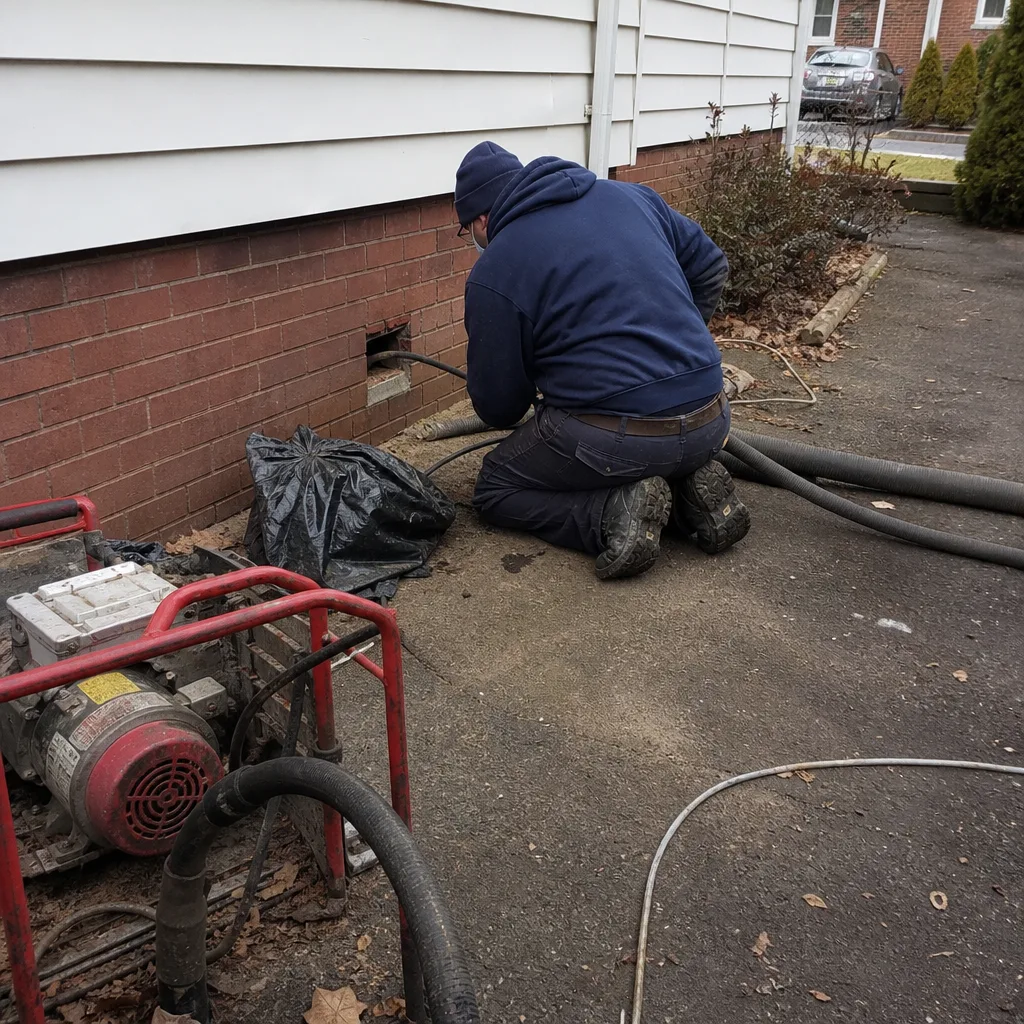 Before
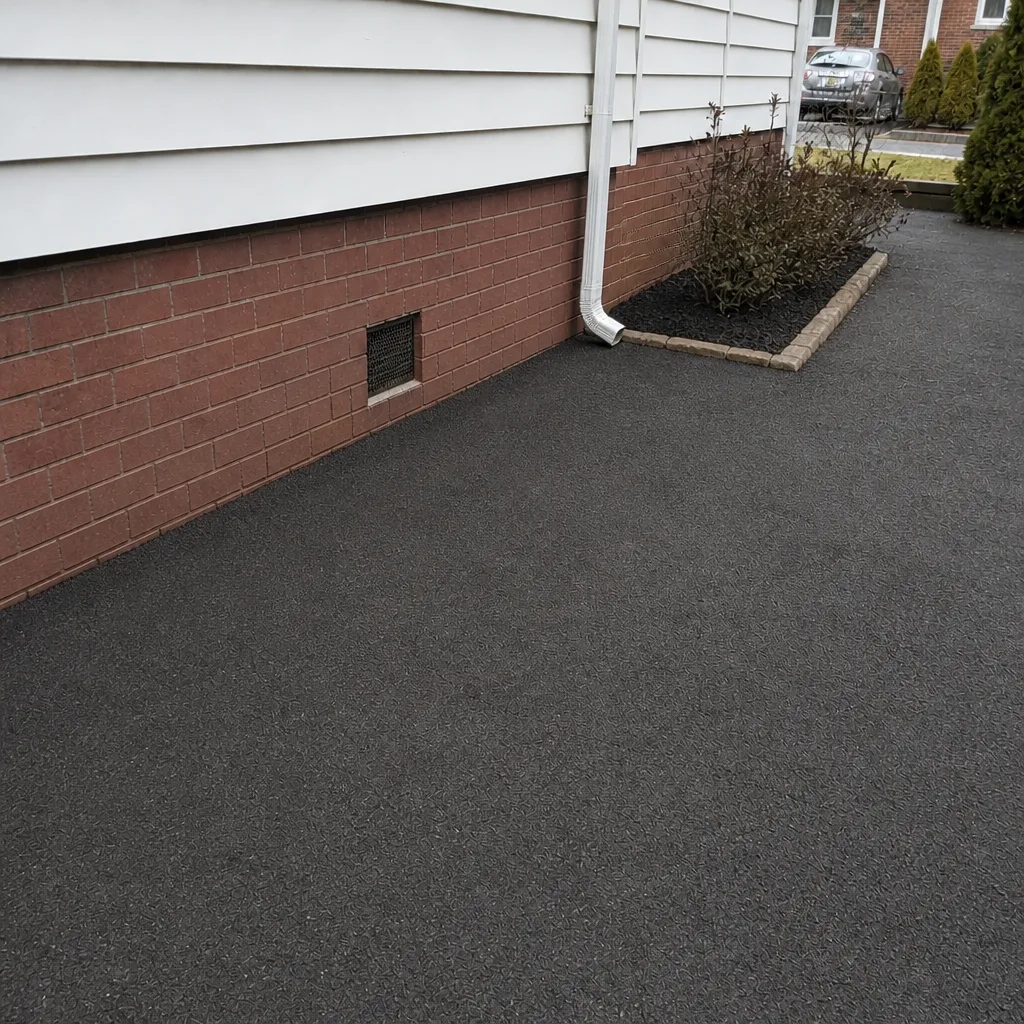 After
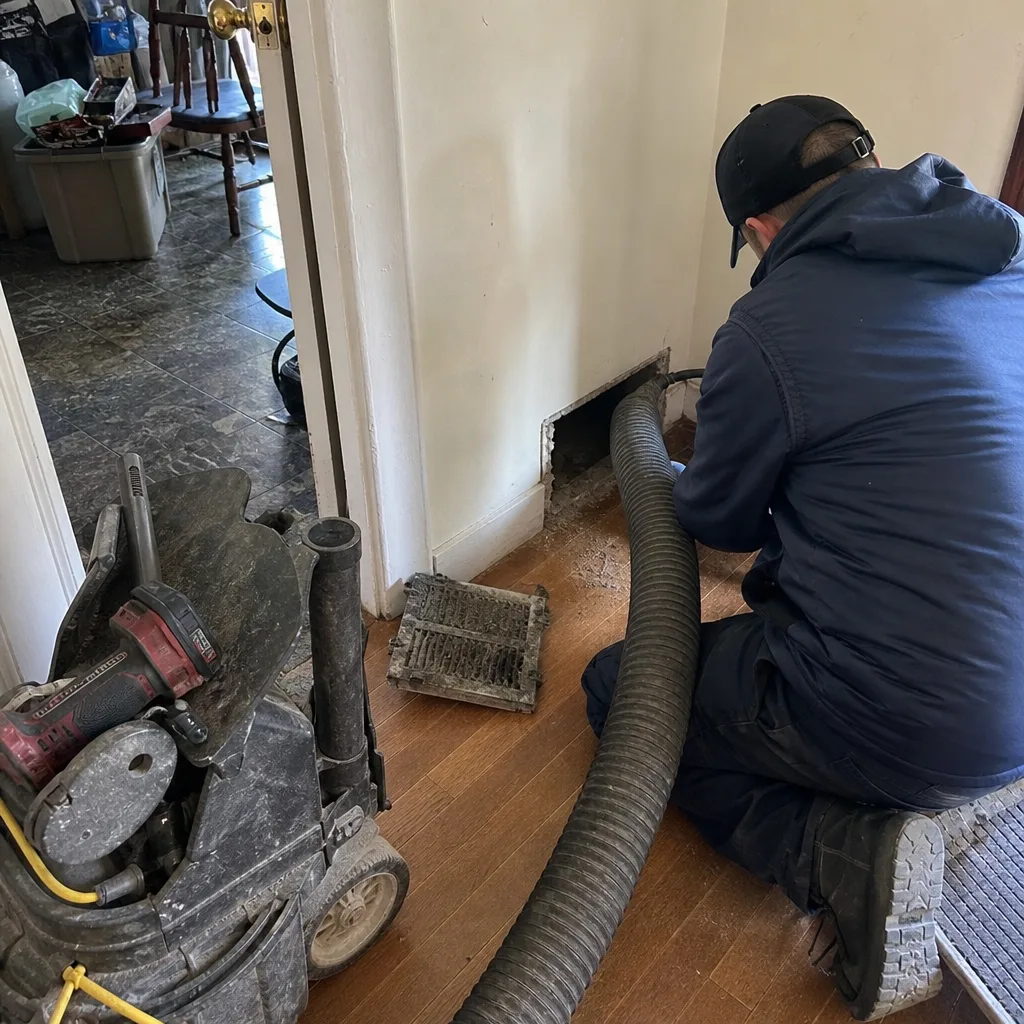 Before
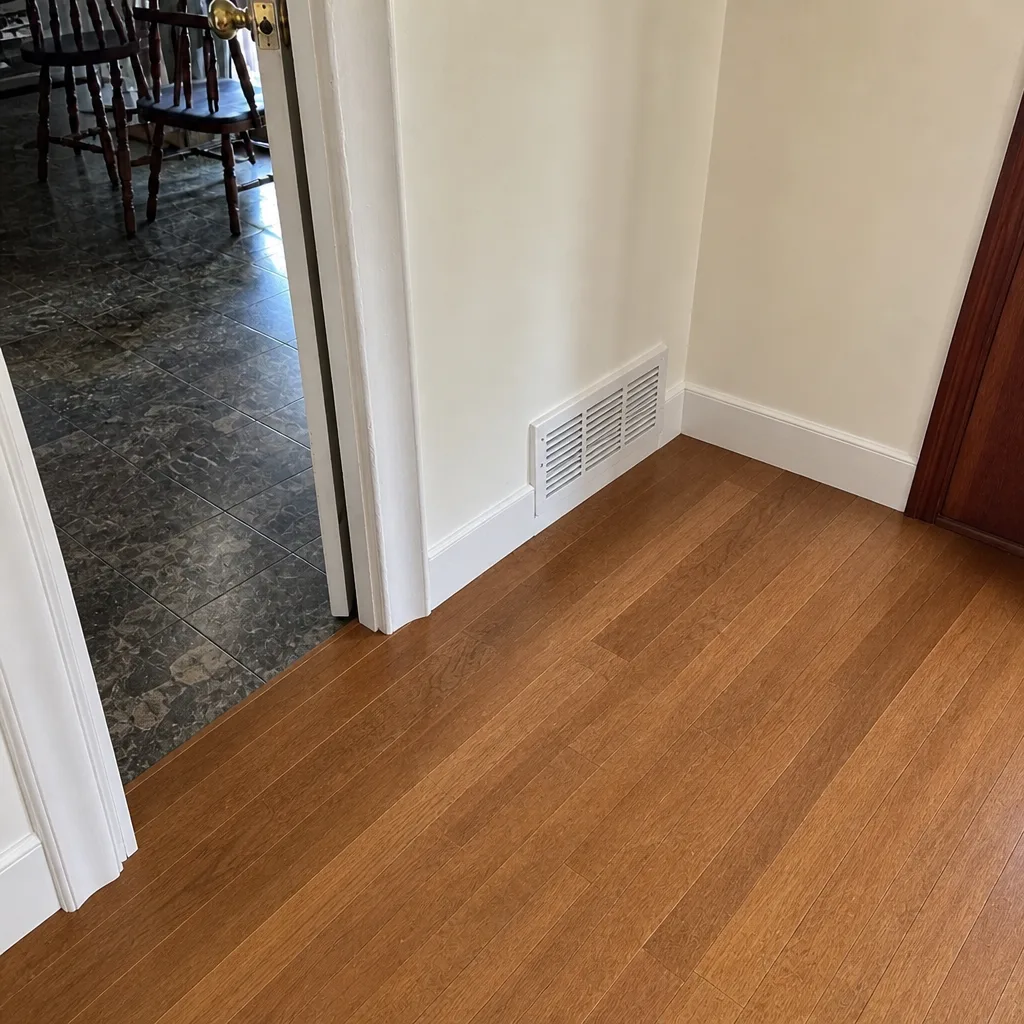 After
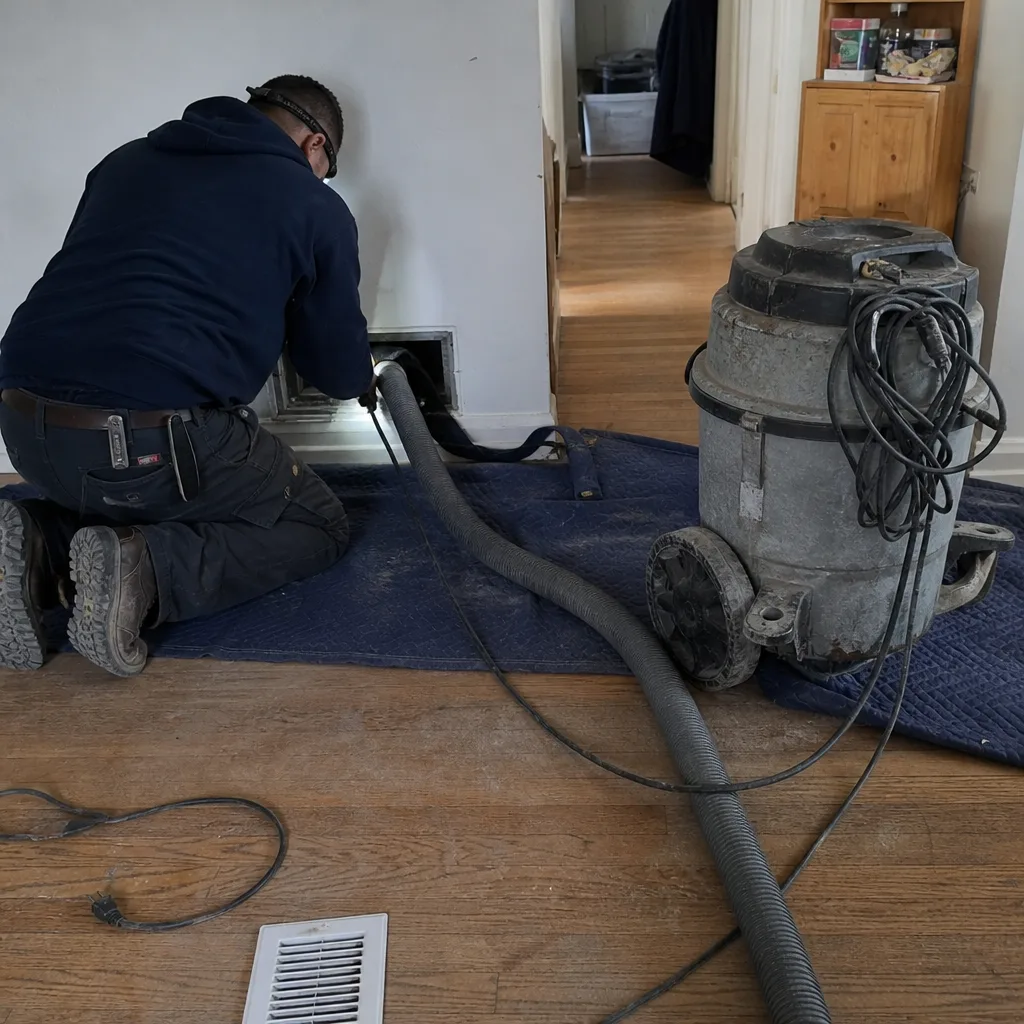 Before
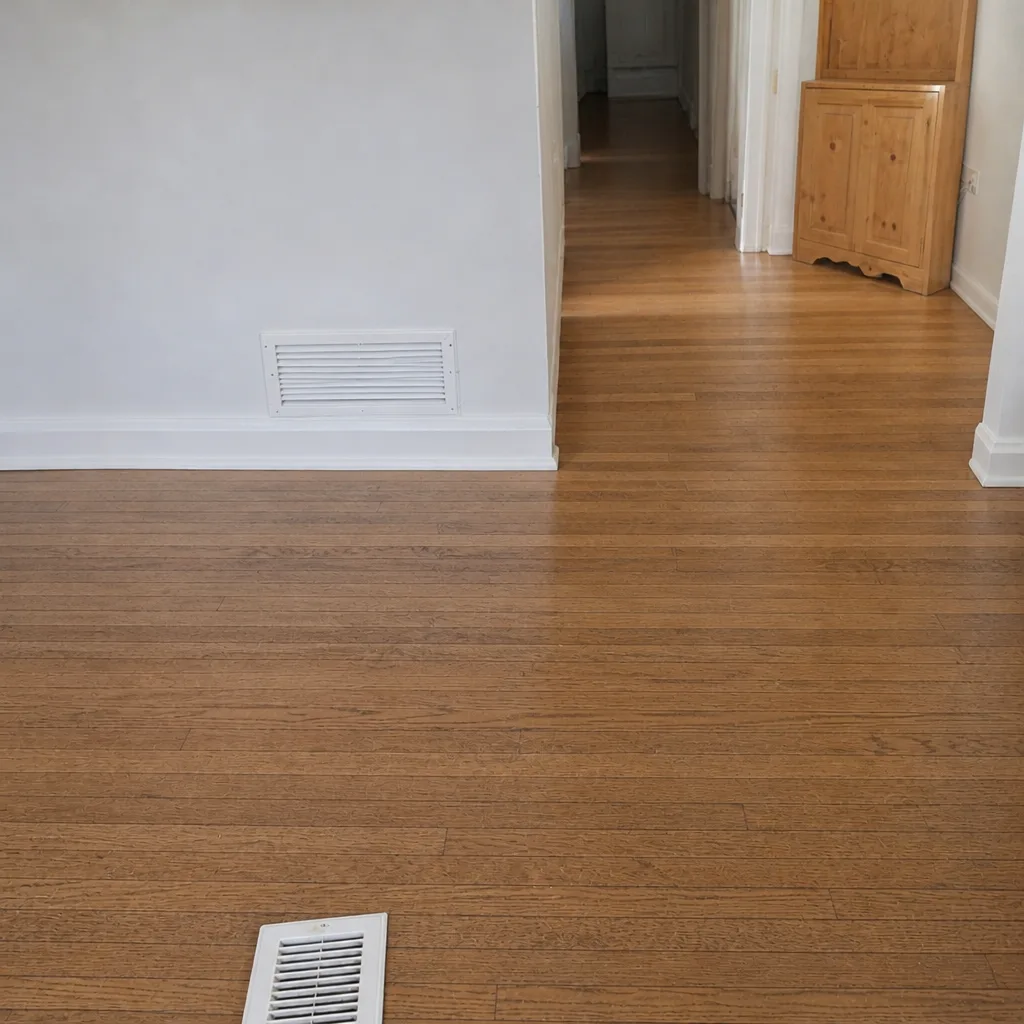 After
When to Call a Professional
Call a professional when you can see debris blowing out of a register, when a room feels stuffy or dusty even after routine cleaning, when someone in the household with allergies or asthma is reacting at home in a way that clears up elsewhere, or when a home inspection has flagged the ductwork. Call immediately if you see any sign of microbial growth inside the air handler or at a return, if a dryer is taking noticeably longer to dry a load, or if a contractor has opened ductwork and found something that needs a licensed mechanical contractor. Call if a Parkchester co-op board has asked for documentation of the system’s condition. Air Duct Cleaning Parkchester offers free estimates in Parkchester, and the estimate lays out what falls inside cleaning scope and what doesn’t. Call (855) 475-2006. We answer 24/7. Fast dispatch from 7am to 7pm, Sunday through Friday.
Frequently Asked Questions
No. Routine air duct cleaning in Parkchester does not require a permit from the NYC Department of Buildings because it’s maintenance of an existing mechanical system, not an alteration. If the job involves cutting new access panels, replacing duct sections, or rerouting a run, that crosses into permit territory and requires a licensed mechanical contractor. Ask any company to state the scope in writing before the work starts.
Usually, ductwork that serves only your unit is your responsibility, and ductwork that serves multiple units (the riser, the shared trunk line, common-area returns) is the building’s. The proprietary lease or building bylaws set the exact line, so ask management in writing before authorizing any repair that touches shared ductwork. Cleaning inside your own unit is simpler and typically doesn’t need board approval.
You should get dated before-and-after photos of your own ducts and air handler, an equipment log naming the brand and model of the extraction system used, and, if any sanitizer was applied, the safety data sheet for each product. If a permit was pulled, keep the permit number and the DOB sign-off with the invoice. Those four items are what protects you if a problem surfaces later or a board asks for records.
Cheap quotes usually reflect one of three things: consumer-grade shop vacuums instead of HEPA-rated contractor equipment, per-vent pricing that balloons once the technician is on site, or a “cleaning” that skips the air handler entirely. A fair quote gives you one flat price per system, agreed before work starts, with before-and-after photos of your own ducts as proof. If a quote is dramatically lower than the others, ask what equipment it includes and whether the air handler is covered.
HPD handles habitability complaints in multiple dwellings, including air quality, mold odor, and heat issues. If a shared riser or common ductwork in your Parkchester building is producing conditions a landlord won’t address, HPD is the correct channel and a written complaint to the landlord first is the right start. Duct cleaning inside your own unit is a private service and doesn’t involve HPD.
Often yes, at least in part. In multi-unit Parkchester buildings where the dryer vent routes through a shared wall or the building facade, the board may require documentation of the cleaning or may want its own contractor on the job. Check your house rules before you hire anyone, and ask the contractor to photograph the vent line before and after. Blocked dryer vents are a leading cause of household fire, so this isn’t a step worth skipping.
The Bottom Line
Duct cleaning doesn’t need a permit. Duct repair, sealing, and modification generally do, and in Parkchester’s R2 co-op and condo buildings, the question of who’s responsible for what is set by the proprietary lease, not by the contractor’s opinion. Get the scope in writing. Ask for dated before-and-after photos, an equipment log, and sanitizer safety data sheets on every job. Confirm your building management’s rules before any work on shared ductwork. And when a job turns into something that needs a licensed mechanical contractor and a filed permit, accept that the honest answer is worth more than the cheaper invoice. If you’re not sure which category your job falls into, call and we’ll talk it through. For a full-system review, our air duct cleaning service starts with a free estimate that spells out exactly what’s included. Call (855) 475-2006. We answer 24/7. Fast dispatch from 7am to 7pm, Sunday through Friday. The estimate is free and the written estimate sets the final price.
Written by the team at Air Duct Cleaning Parkchester.